
Last updated October 16, 2026
 Water damage drying
 Fire & smoke cleanup
 Mold remediation
 Storm response
 Sewage cleanup
 Reconstruction
Free visual inspection and a written scope of work before any mitigation begins - photos, moisture readings, and drying logs go in your claim file
The scope we write is the scope we bill. Anything new gets shown to you, in writing, before we touch it.
Get your free estimateHow to Hire a Damage Restoration Contractor in Tampa: A Step-by-Step Guide
After Hurricane Idalia, the Florida Department of Business and Professional Regulation fielded more than 1,200 contractor fraud complaints, the majority from homeowners who hired the first crew that knocked on their door within 48 hours of the storm. Tampa’s restoration market swells with out-of-state operators after every named storm, and even during dry season, homeowners here lack a reliable filter for separating legitimate firms from storm chasers who vanish after the check clears. This guide gives you a concrete vetting sequence-alongside our Complete Guide to Damage Restoration in Tampa-with specific questions to ask, documents to demand, and answers that should send you looking elsewhere. It works whether you’re dealing with a 2 a.m. pipe burst or scheduling a mold estimate on a Tuesday afternoon. By the end, you’ll know exactly how to hire a damage restoration contractor in Tampa without becoming another DBPR statistic.
Quick Answer
To hire a damage restoration contractor in Tampa, verify three licenses (Florida CBC or CRC, mold remediation if applicable, and general liability insurance with adequate per-occurrence minimums), refuse any contractor who asks for an Assignment of Benefits before providing a written scope of work, and demand a line-item written estimate before any equipment enters your home. Screen every candidate with the same four questions, check their background-check and uniformed-technician policies, and never sign anything under pressure. A legitimate Tampa restoration contractor will put the price in writing before work starts and document every step for your insurance claim.
Restoration work we handle
Table of Contents
- The Three Licenses Every Tampa Restoration Contractor Must Hold
- Why an Assignment of Benefits Before a Written Scope Is a Red Flag
- The Four-Question Phone Screening Script
- What a Legitimate Written Estimate Must Include
- How to Verify Background-Check and Uniformed-Technician Policies
- Why Documentation Is the Difference Between a Paid Claim and a Denied One
- Tampa-Specific Hiring Considerations: Climate, Code, and Storm Chasers
- The Full Vetting Sequence: A Step-by-Step Checklist
The Three Licenses Every Tampa Restoration Contractor Must Hold
Before any contractor touches your property, you need to confirm three separate credentials. Missing any one of them is a disqualifier, no matter how convincing the crew sounds. In our experience, homeowners who skip this step end up paying for it twice: once to the unlicensed operator, and again to the legitimate contractor who has to redo the work.
First, the contractor must hold a Florida Certified Building Contractor (CBC) or Certified Residential Contractor (CRC) license issued by the Florida Department of Business and Professional Regulation. This license means the contractor has passed state examinations, carries the required insurance, and is accountable to DBPR oversight. You can verify this license in under two minutes on the DBPR website by searching the contractor’s name or license number. A Tampa restoration contractor operating without this license is committing a second-degree misdemeanor on the first offense, and a felony on subsequent offenses.
Second, if the job involves mold remediation, the contractor must hold a Florida Mold Remediation license under Chapter 468 of the Florida Statutes. This is separate from the building contractor license. Mold work in Tampa, where humidity regularly exceeds 80% during the summer months, requires specific training in containment, air filtration, and safe removal protocols. A general contractor license does not authorize mold remediation in Florida.
Third, the contractor must carry general liability insurance with per-occurrence minimums that reflect the scope of potential damage. Ask to see the certificate of insurance, not just a verbal confirmation. Call the insurer and verify the policy is active. If a contractor hesitates to provide the certificate or offers an expired document, end the conversation there. The per-occurrence minimum matters because a botched water extraction job can cause $50,000 in secondary damage to framing, electrical, and flooring, and you need the insurance policy to cover it.
Why an Assignment of Benefits Before a Written Scope Is a Red Flag
An Assignment of Benefits (AOB) is a legal document that transfers your insurance claim rights to the contractor. Once signed, the contractor can bill your insurance company directly, negotiate the settlement, and even file suit against the insurer in your name. Florida law has tightened AOB regulations since 2019, but the document remains a tool that unscrupulous contractors use to inflate claims and trap homeowners in disputes.
The problem is not the AOB itself; it’s the timing. A legitimate contractor will provide a written scope of work first: the equipment, labor, and materials required, with line-item pricing. Only after you agree to that scope and understand what you’re paying for should an AOB even enter the conversation. A contractor who asks you to sign an AOB before providing a written scope is doing one of two things: hiding the actual cost of the work, or planning to bill your insurer for more than the work is worth, which can trigger a fraud investigation that entangles you, the homeowner.
If anyone asks you to sign an AOB during the initial visit, before you’ve seen a written scope, disqualify them immediately. This is not a negotiation point. It’s a hard stop. Tampa homeowners dealing with water damage from a burst pipe or storm surge are often exhausted and eager to get the problem handled, and that’s exactly the state of mind these operators count on. Slow down. The written scope comes first. The AOB, if it comes at all, comes after.
The Four-Question Phone Screening Script
When water is pouring through your ceiling at 2 a.m., you don’t have time for a 20-minute vetting call. But you do have time for four questions. These four questions, asked in sequence, will separate qualified Tampa restoration contractors from unqualified ones in under three minutes. Use this script verbatim if you want.
- “What is your Florida contractor license number?” A legitimate contractor recites this from memory or pulls it up in seconds. If the person hesitates, puts you on hold to “check with the office,” or says they don’t have it on hand, hang up. This is the fastest filter in existence.
- “Will you put the full price in writing before any work starts?” The only acceptable answer is “yes.” Not “we’ll see when we get there,” not “it depends on what we find,” not “we’ll give you a ballpark.” A written price before work starts is a non-negotiable. Every legitimate restoration contractor in Tampa operates this way. If they won’t commit to it on the phone, they won’t do it in person.
- “Are your technicians background-checked and do they arrive in uniform?” The answer tells you how the company manages its crew. Background-checked, uniformed technicians are a sign of a company that runs on discipline, not on whatever labor they can pull from a parking lot on short notice. If the person on the phone can’t answer this question directly, that’s your answer.
- “Do you document the job with photos and written reports formatted for my insurance claim?” Restoration work and insurance claims are inseparable. A contractor who doesn’t document the damage, the drying process, and the repairs with photos and written reports is leaving you to fight your insurer alone. The answer to this question tells you whether the contractor sees you as a customer or as a job to bill.
That’s the entire script. Four questions, three minutes. If a contractor passes all four, you’ve cleared the minimum bar and can move to the written estimate stage. If they fail any one of them, thank them for their time and make the next call. The Keegan Restoration Tampa home page walks through our full hiring process if you want to see how a Tampa restoration company should present itself.
What a Legitimate Written Estimate Must Include
An honest written estimate for restoration work is not a single number on a single line. It is a line-item document that breaks down the work into equipment, labor, and materials, each with its own price. A vague “lump sum” quote, like “$12,500 for full dryout and repair,” is a tool for moving the price at the end of the job, because when the total is not itemized, there is nothing stopping the contractor from adding charges you never approved.
Here is what you should see in a legitimate written estimate for water damage restoration in Tampa:
- Extraction equipment with per-day pricing: Each piece of equipment, identified by type and brand. For example, “2 Phoenix 200 HT axial air movers for 3 days at $45/day each.” You should see brand names like Dri-Eaz or Phoenix on the estimate, not just “fans” and “dehumidifier.”
- Labor hours with the hourly rate clearly stated: The estimate should show how many technician hours the job requires, at what hourly rate, and what that labor covers. A line that says “labor” with a single number next to it is not acceptable.
- Materials with per-unit costs: Drywall, baseboard, insulation, paint, sealant. Each material line should show the quantity and the cost per unit.
- Antimicrobial application and containment setup: If the job involves mold or sewage, the estimate should include containment barriers, HEPA air scrubbers, and antimicrobial application as separate line items with their own costs.
- Dehumidification and drying monitoring: Professional drying is not “set the fans and leave.” It involves daily monitoring of moisture levels in walls, floors, and air, documented in a drying log. The estimate should include this in the price.
- A clearly stated total that cannot move without a written change order. This is the most important part. The total on the estimate is the total you pay, unless you sign a written change order agreeing to additional work. No verbal price changes. Ever.
Compare this to the “lump sum” quotes that storm chasers favor. A lump sum quote gives no accountability. If the contractor says the job “ran over” and now you owe $4,000 more, you have no document to point to. A line-item estimate is your written evidence, and it’s the same format we use at Keegan Restoration Tampa, drawing from professional-grade equipment brands including XPOWER and Dri-Eaz. The written price is delivered before any work starts, and it never moves at the door. That is The Garrison Standard, and it’s how every Water Damage Restoration in Tampa project should be priced.
How to Verify Background-Check and Uniformed-Technician Policies
You are about to let strangers into your home, often during a crisis, often when you are not at your best. The background-check question is not a formality; it is a security decision. A company that runs background checks on every technician is telling you something about how it operates. A company that doesn’t is telling you something too.
Ask directly: “Do you run background checks on every technician who will enter my home?” A legitimate company answers immediately. If the answer is “yes,” ask the follow-up: “Can you tell me what the background check includes?” A credible answer references criminal history, driving record, and prior employment verification. If the answer is vague, like “we vet our people” or “everyone we send is trustworthy,” you are hearing a company that does not run formal background checks.
The uniform question serves a different purpose. Uniformed technicians are identifiable. You know who belongs in your home and who does not. When a crew arrives in mismatched street clothes with no company identification, you cannot tell a technician from a stranger, and that is a legitimate safety concern during a multi-day job when people are coming and going. Beyond safety, uniformed technicians are a signal of operational discipline. A company that manages uniforms, schedules, and appearance standards is a company that manages its jobs the same way.
Documentation ties into this directly. If your insurance claim requires you to describe who entered your home and when, uniformed, background-checked technicians with a company name on their shirt are a documented fact. An unmarked crew is an insurance adjuster’s open question. For Mold Remediation in Tampa specifically, you want a record of exactly who performed the containment and remediation work, because the containment protocol and technician training are part of the claim documentation.
Why Documentation Is the Difference Between a Paid Claim and a Denied One
Insurance adjusters do not pay claims based on your word. They pay claims based on documentation: photos of the damage before work starts, photos during the drying process, daily moisture readings, equipment logs, and a final report that matches the written estimate. If your restoration contractor does not provide this documentation, you are asking the adjuster to take your word for what happened, and adjusters are trained to deny claims they cannot verify.
A documented restoration job looks like this: The contractor arrives, takes photos of the damage, records the moisture levels in affected materials, and writes an initial assessment. Every day, technicians record moisture readings in a drying log, showing that the drying process is progressing and that the equipment is doing its job. At the end, the contractor provides a final report that ties the work back to the written estimate, line by line. This report, submitted to your insurance company, is what turns a restoration job into a paid claim.
The absence of this documentation is a problem you may not discover until months later, when the insurance company denies the claim and you owe the contractor in full. This is a known pattern in Tampa after storm events, when out-of-state crews perform the work, take the check, and leave the homeowner with no documentation to file a claim. Before you hire anyone, ask how they document the job. If the answer is “we’ll take a few photos,” find another contractor. The documentation standard at Fire Damage Restoration in Tampa jobs and water damage jobs alike should be thorough enough to stand up to adjuster scrutiny.
Tampa-Specific Hiring Considerations: Climate, Code, and Storm Chasers
Tampa’s climate creates restoration challenges that contractors from drier states do not understand. The humidity here, which averages above 70% year-round and spikes during the June-through-September storm season, means that incomplete drying leads to mold growth within 48 to 72 hours. A contractor who does not understand psychrometrics, the science of how moisture moves through air and materials, will set up fans and walk away, and you will discover the mold weeks later inside your walls-exactly why our Water Damage Restoration Maintenance Checklist for Tampa Homeowners emphasizes proper drying protocols.
The local building code adds another layer. Tampa sits in a high-velocity hurricane zone, which means repairs to structural elements, roofing, and exterior walls must meet stricter wind-load requirements than in inland Florida. A restoration contractor who replaces a section of water-damaged wall must do it to the same code the original builder followed. An out-of-state storm chaser may not know the difference, and the repair will fail the next time a hurricane comes through.
Storm chasers are the defining problem in this market. After every named storm, hundreds of out-of-state contractors arrive in Tampa, register with the state on a temporary basis, and begin knocking on doors. Many perform acceptable work. Many do not. The ones who do not often share a pattern: they ask for a deposit before providing a written scope, they pressure you to sign an AOB on the first visit, and they leave town before the warranty period expires, taking any chance of recourse with them. The vetting sequence in this guide, combined with our Seasonal Damage Restoration Care for Tampa: Year-Round Homeowner’s Guide, works specifically because it filters these operators out at the first question. If a contractor cannot produce a Florida license number on the spot, they are not a Tampa contractor, no matter what their truck says.
The Full Vetting Sequence: A Step-by-Step Checklist
Here is the complete hiring process, condensed into a checklist. You can print this section and keep it by the phone. It works whether you are hiring for an active emergency or a scheduled estimate.
- Call the contractor and ask the four screening questions. License number, written price before work, background-checked and uniformed technicians, and insurance documentation. If they pass, proceed. If they fail any, move to the next contractor on your list.
- Verify the license with the Florida DBPR. Search the contractor’s name or license number on the DBPR website. Confirm the license is active, not expired or suspended, and that the contractor’s name matches the name on the license.
- Request a certificate of insurance. Ask for the general liability certificate and call the insurer to verify the policy is active. Confirm the per-occurrence minimum covers the potential scope of your damage.
- Have the contractor visit and provide a written, line-item scope of work. This is the document that protects you. Review it line by line. Ask questions about anything unclear. If the contractor offers a lump sum quote instead, ask them to itemize it. If they refuse, that’s a disqualifier.
- Do not sign an AOB until after you have the written scope and understand the price. This is the order that protects you. Scope first, AOB second, and only if the AOB is in your interest. It often is not.
- Confirm the documentation process before work begins. Ask how photos are taken, how moisture readings are recorded, and what the final report includes. Get this in writing if you can, or at least confirmed in the estimate document.
- Agree on the schedule and the crew. Confirm which technicians will be on site, what identification they will carry, and who the point of contact is if you have questions during the job.
- Get the warranty in writing. A legitimate contractor stands behind the work. At Keegan Restoration Tampa, the warranty is the 365-Day Done Right Promise: every repair is backed by a written guarantee, and if the work fails within one year, we return and make it right at no charge, with a free second visit included. Whatever contractor you hire, get the warranty in writing with a specific duration and a specific mechanism for making a claim.
Common Mistakes to Avoid
- Hiring the first contractor who knocks on your door after a storm. Storm chasers count on urgency to bypass vetting. The fact that they found you before you found them is not a credential.
- Signing an Assignment of Benefits before seeing a written scope. This transfers your claim rights before you know what the work costs. That order is wrong, every time.
- Accepting a lump sum quote without line items. A single number with no breakdown is a blank check for price increases at the end of the job.
- Skipping the license verification. “I have a license” and “my license is active and verifiable with the DBPR” are different statements. Verify every time.
- Not asking about documentation before the job starts. Once the work is done and the adjuster asks for proof, it’s too late to go back and document the drying process.
- Choosing the lowest bid without comparing scopes. In Tampa’s restoration market, a low bid usually means excluded equipment, minimal drying time, or a contractor who plans to recoup the difference through change orders later.
- Assuming the insurance company will handle everything. Your insurer will process the claim, but the documentation quality determines whether the claim is paid or denied. You hire the contractor; you own the documentation gap.
See the difference
 Before
 After
After Before
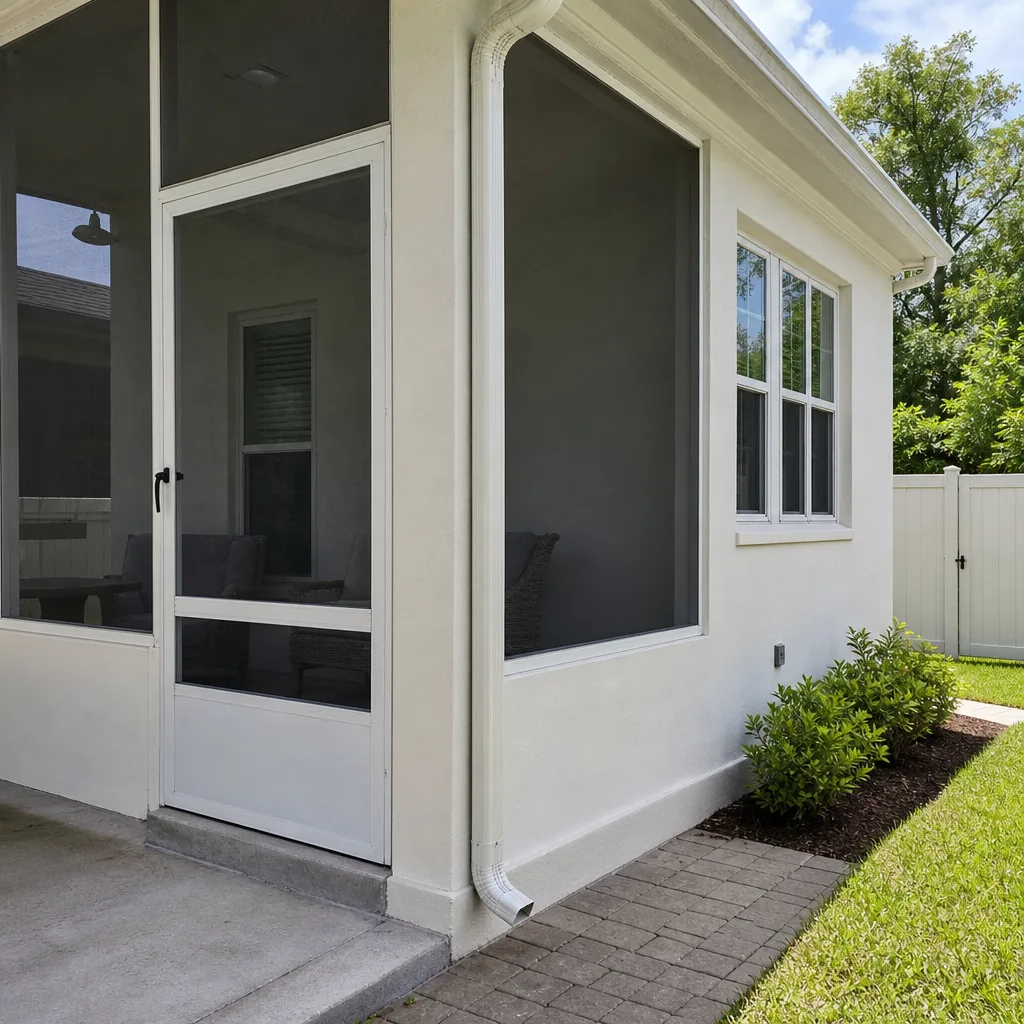 After
After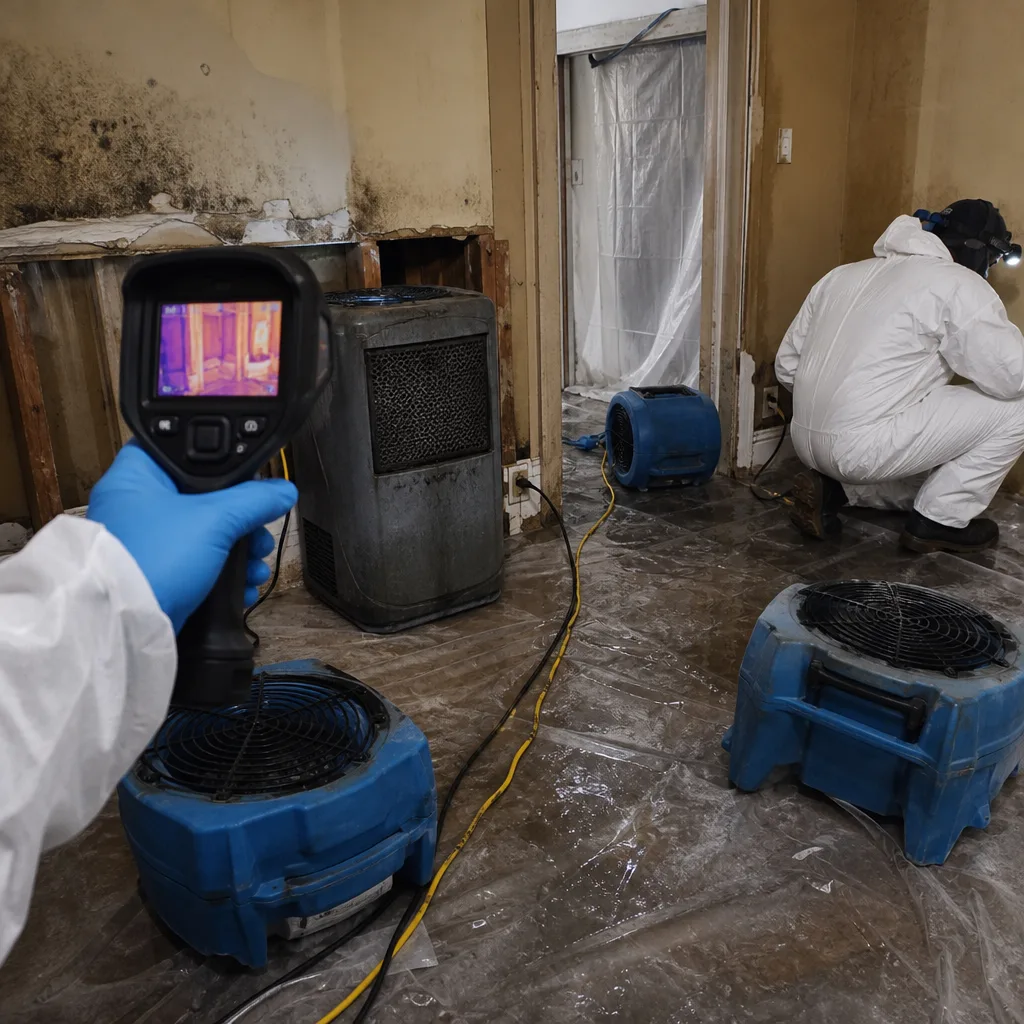 Before
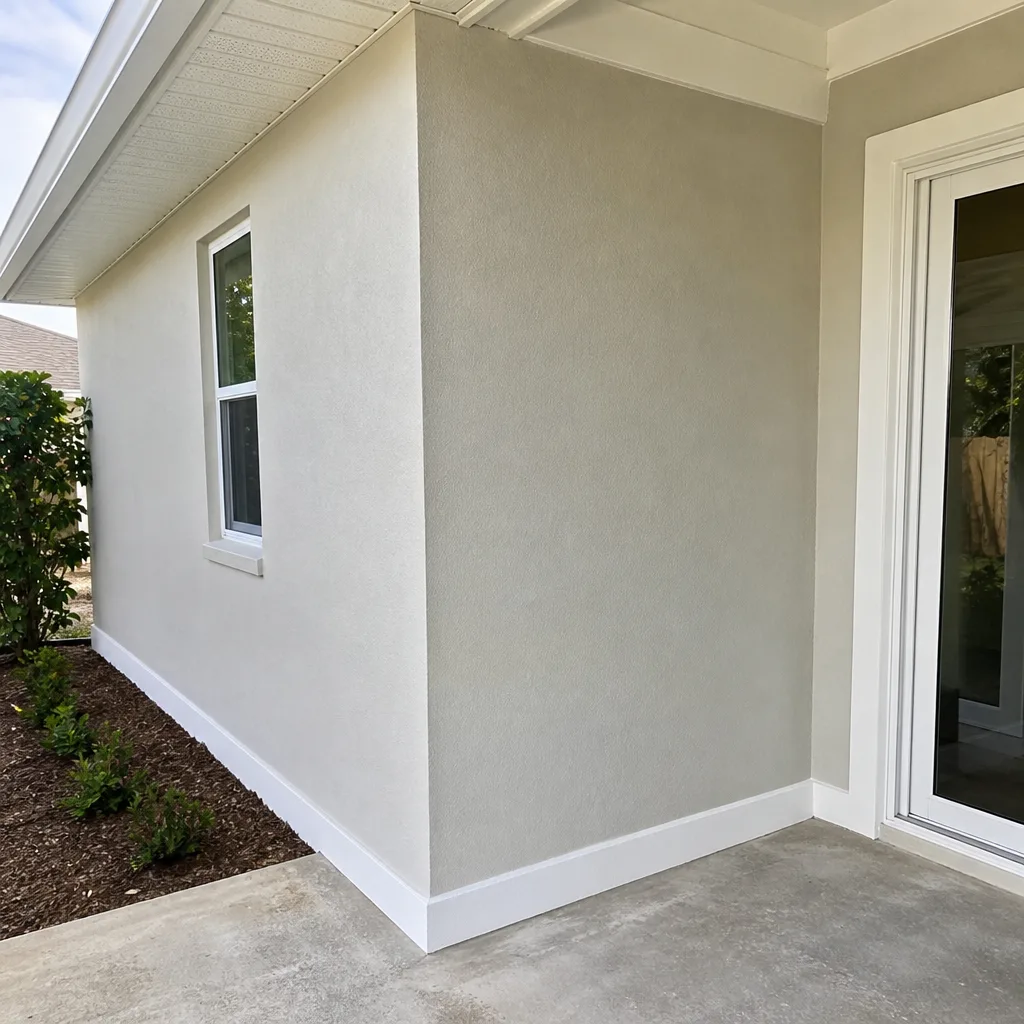 After
AfterWhen to Call a Professional
Call a professional restoration contractor the moment you discover water that has soaked into drywall, insulation, or flooring, because the clock on mold growth starts within 48 hours in Tampa’s humidity. Call immediately after a fire, even a small one, because smoke residue is corrosive and becomes harder to remove with each passing day. Call if you smell must or see discoloration on walls or ceilings, because what you are seeing is often the visible edge of a larger problem. And call if your insurance company has asked for documentation you do not have, because a restoration contractor can assess the damage and produce the written report your claim needs. Keegan Restoration Tampa offers free estimates in Tampa, call (850) 367-1316 and a live person answers, 24 hours a day, 7 days a week.
Frequently Asked Questions
Search the contractor’s name or license number on the Florida Department of Business and Professional Regulation website, which shows active, expired, and suspended licenses in real time. A legitimate Tampa restoration contractor will provide the license number immediately when you ask, and the DBPR search will confirm it is active with no disciplinary actions. If the contractor hesitates to provide the number or the search returns no result, do not hire them.
Water damage restoration in Tampa typically ranges from $1,800 to $4,500 for Category 1 (clean water) extraction and drying in a single room, and $5,000 to $12,000 or more for larger areas, Category 2 or 3 water (gray or black water), or structural repairs following the dryout. The price depends on the square footage affected, the water category, and the number of days the drying equipment must run. A written line-item estimate should show exactly where your money goes; call (850) 367-1316 for a free assessment with a written scope.
Do not sign an Assignment of Benefits before you have received a written scope of work and understand the full price of the job, because an AOB transfers your insurance claim rights to the contractor and limits your control over the claim. A legitimate Tampa restoration contractor will provide the written scope first and discuss an AOB only if it benefits you. Under Florida law, you have a right to rescind an AOB within 14 days of signing, but the better course is to avoid signing one under pressure in the first place.
A legitimate Tampa restoration contractor with local operations can typically arrive within 60 to 90 minutes for active water damage, because every hour of standing water increases the damage to flooring, drywall, and framing. Keegan Restoration Tampa answers every call with a live person, 24/7, and dispatches uniformed, background-checked technicians from a local Tampa location. The written estimate is provided on site before any work begins.
Most Tampa homeowners insurance policies cover water damage from sudden and accidental events, like a burst pipe, and fire damage from any accidental cause, but coverage varies by policy and cause of loss. Damage from a slow leak, groundwater flooding, or neglected maintenance is typically excluded, and mold remediation is often covered only when it results from a covered water event. The strongest way to support your claim is to hire a contractor who documents the damage with photos and written reports formatted for insurance submission.
You need full mold remediation when mold covers more than 10 square feet, when mold is growing inside wall cavities or HVAC ducts, or when the mold resulted from water damage that soaked porous materials like drywall and insulation for more than 48 hours. A basic surface cleaning is only appropriate for small, isolated patches on non-porous surfaces like tile or glass, where the moisture source has been fully eliminated. A professional mold assessment with moisture mapping will tell you which situation you have; call (850) 367-1316 and a live person will answer 24/7.
The Bottom Line
Hiring a damage restoration contractor in Tampa comes down to one skill: asking for proof. Proof of license, proof of insurance, proof of background checks, and proof of price in writing. A legitimate contractor provides all of it without hesitation, because the proof is already in place. A storm chaser stalls, hedges, and pressures you to sign before you can think. For additional guidance, see our more guides & resources. The four-question phone script filters out the worst offenders in under three minutes, the written line-item estimate protects your money, and the documentation standard protects your insurance claim. At Keegan Restoration Tampa, every job runs to The Garrison Standard: written price before work starts, background-checked and uniformed technicians on site, professional-grade equipment from Dri-Eaz, Phoenix, XPOWER, B-Air, and Injectidry, and the 365-Day Done Right Promise in writing on every repair. If you are facing water, fire, or mold damage in Tampa, call (850) 367-1316. A live person answers, day or night.
Written by Shane Pruitt, Owner at Keegan Restoration Tampa, serving Tampa since 2005.