
Last updated October 16, 2026
 Water damage drying
 Fire & smoke cleanup
 Mold remediation
 Storm response
 Sewage cleanup
 Reconstruction
Free visual inspection and a written scope of work before any mitigation begins - photos, moisture readings, and drying logs go in your claim file
The scope we write is the scope we bill. Anything new gets shown to you, in writing, before we touch it.
Get your free estimateDIY vs Professional Damage Restoration: The Tampa Homeowner’s Decision Guide
Here’s a number most Tampa homeowners never hear until it’s too late: Florida mold claims tied to prior water damage get denied at roughly double the rate of claims with no prior incident on record. The reason isn’t fraud. It’s paperwork. Homeowners who dry a leak themselves, do a decent job, and move on with life typically produce zero documentation that the drying actually worked. Two years later, when mold blooms inside a wall cavity and the insurance adjuster asks for moisture logs, equipment records, and technician certifications, there’s nothing to show. The claim dies on the desk. This guide is about making an honest call between doing damage restoration yourself and hiring a crew in Tampa. You’ll learn where DIY is genuinely appropriate, where it quietly creates legal and insurance exposure, what professional documentation actually contains, and how to think about cost without fooling yourself.
Restoration work we handle
Quick Answer
DIY restoration is only appropriate in Tampa for surface water spills under about 10 square feet on non-porous materials with no wall or cabinet penetration, and only when you can thoroughly dry the area within 24 to 48 hours. For anything involving water inside wall cavities, sewage, fire residue, or mold beyond 10 square feet, hire a professional. The deciding factor isn’t really skill or effort; it’s whether your finished work produces the documented moisture data your insurance company can verify and a future buyer’s inspector will accept. In Tampa’s humidity, amateur drying frequently leaves hidden moisture that becomes a claim problem years later.
Table of Contents
- The Florida Documentation Gap No One Warns You About
- Where DIY Is Genuinely Appropriate in Tampa
- Where DIY Goes Wrong: The Legal and Insurance Exposure
- Florida’s Mold Remediation Law: The 10-Square-Foot Line
- The Equipment Gap: Why Store Fans Can’t Dry a Wall Cavity
- What Professional Documentation Looks Like (And What It’s Worth)
- The Real Cost Comparison: Hidden DIY Expense Nobody Quotes
- Common Mistakes to Avoid
- When to Call a Professional
- Frequently Asked Questions
- The Bottom Line
The Florida Documentation Gap No One Warns You About
We’ve sat across the table from Tampa homeowners who did everything right on a DIY water mitigation. They pulled baseboards, ran box fans, rented a dehumidifier from a big-box store. The area felt dry to the touch within a few days. Life went on. Then, a year or two later, mold showed up behind a wall or under a cabinet toe-kick. When the insurance claim landed, the adjuster asked for the drying records. There were none. The claim was denied for lack of verifiable mitigation.
This is the documentation gap, and it isn’t theoretical. Florida insurers have become increasingly strict about proving that water damage was properly mitigated, especially when a subsequent mold claim appears on the same property. Without moisture readings, drying logs, equipment placement records, and a technician’s certification number, the insurer’s position is simple: there’s no evidence the water was actually dried. The homeowner’s honest account that everything felt dry doesn’t carry weight in a claims file.
The documentation gap also shows up at resale. A buyer’s inspector in Tampa who spots evidence of past water damage (staining, warped trim, new drywall patches) will ask a standard question: was this professionally remediated, and is there documentation? If the seller can’t produce it, the inspector notes the uncertainty in the report. Buyers then either walk, demand a credit, or require the seller to pay for destructive testing. DIY drying that worked fine for years suddenly costs thousands at the closing table.
When we handle water damage restoration in Tampa, every job generates a written record: initial moisture readings, drying progress logs, final readings confirming the structure returned to acceptable moisture levels, and photos of equipment placement. That record isn’t a nice-to-have. It’s the asset that protects you if a future claim or sale hinges on proving the work was done right.
Where DIY Is Genuinely Appropriate in Tampa
Let’s be clear about what DIY can handle, because a good contractor doesn’t sell you a service call for something you can honestly do yourself.
The standard for genuine DIY territory is narrow and specific. All four of these conditions should be true before you reach for towels and a fan:
- The spill is surface-level and contained. A knocked-over pitcher, an overflowing sink that pooled on tile, a pet bowl tipped onto vinyl plank. Nothing wicked into baseboards, drywall, or under cabinets.
- Under 10 square feet. That’s roughly a 3-foot by 3-foot area. Anything bigger is a Category 2 or 3 water loss by industry classification and deserves professional attention.
- Only non-porous materials are affected. Tile, sealed concrete, vinyl, linoleum. Porous materials (drywall, carpet pad, hardwood, particle board) absorb water deeper than the surface and need professional extraction and drying.
- You can fully dry the area within 48 hours using household methods. In Tampa’s climate, this is the part that sinks most DIY efforts. Ambient humidity regularly runs above 70 percent. A box fan moving humid air over a damp floor isn’t drying; it’s just circulating moisture.
If all four conditions hold, DIY is fine. Wipe up the water, run a fan, open windows if the outside humidity is lower than indoors (check a hygrometer), and monitor the area for the next few days. No documentation is needed because no porous material was saturated and no claim will ever hang on the outcome.
The moment water touches drywall, baseboards, cabinet bases, or flooring underlayment, you’ve crossed out of DIY territory. That water is now inside a building assembly, and Tampa heat plus trapped moisture equals mold growth starting in about 48 to 72 hours. What you can’t see is what gets you.
Where DIY Goes Wrong: The Legal and Insurance Exposure
Here’s the scenario we see most often in Tampa: a supply line leaks inside a wall or under a cabinet. The homeowner catches it, wipes up the visible water, and puts a fan on the area for a few days. The surface feels dry. Done. But the water that migrated into the wall cavity, under the cabinet carcass, or into the floor assembly is still there. It’s trapped. It will stay trapped. In Florida humidity, that trapped moisture feeds mold for weeks or months before the first visible sign appears.
By the time you see the mold, the problem has moved from mitigation to remediation. And that’s where the exposure gets real.
Consider three hidden costs of the DIY approach that nobody quotes upfront:
- Insurance claim denial. As covered above, a mold claim following undocumented DIY drying faces a steep uphill climb. The insurer asks for documentation, finds none, and denies the claim on the basis that the original mitigation was unverifiable. The homeowner now owns the full cost of mold remediation, which in a Tampa home with wall cavity mold routinely runs four to five figures.
- Mold recurrence. Consumer drying methods routinely leave moisture in places you can’t see or reach. We’ve taken apart wall cavities in Tampa homes where a homeowner’s DIY drying left drywall visually fine but framing lumber at 25 to 30 percent moisture content behind it. Six months later, the mold came back. The second remediation is always more expensive than the first would have been.
- Resale liability. Florida sellers must disclose known issues, including past water damage and mold, on the seller’s property disclosure form. If you disclose a DIY remediation, expect buyers to ask for proof it was done to standard. If you don’t have proof, expect a price concession or a lost sale. If you don’t disclose and the buyer finds mold later, that’s a lawsuit.
Beyond water, the same logic applies to fire. A small kitchen fire may seem manageable to clean with household products, but smoke residue contains acids and particulates that embed in surfaces. Fire damage restoration in Tampa involves specialized cleaning agents and thermal fogging that household methods can’t replicate. The same goes for mold. Our mold remediation in Tampa team follows containment and clearance protocols that satisfy both insurance and future inspection standards.
Florida’s Mold Remediation Law: The 10-Square-Foot Line
Florida is one of the few states with a specific statute governing mold remediation. Florida Statute 468.84 requires that any mold assessment or remediation work covering more than 10 square feet be performed by a licensed mold assessor or remediator. This isn’t a suggestion. It’s the law.
What does this mean for a Tampa homeowner?
- If you discover mold on a surface area smaller than 10 square feet, you can clean it yourself using ordinary household methods. Wipe it down, dry the area, address the moisture source, and move on.
- If the mold covers more than 10 square feet, performing the remediation yourself puts you in violation of Florida statute. More practically, it creates a disclosure problem: when you sell the home, you must disclose the mold history, and you cannot say it was professionally remediated because it wasn’t. The buyer’s inspector will likely flag the DIY remediation, and if the inspector recommends testing that uncovers elevated spore counts, the sale is in jeopardy.
- Penalty exposure for self-performed mold work isn’t typically criminal, but the civil and financial exposure is real. Unlicensed mold remediation can void insurance coverage for the mold itself, expose you to liability if a subsequent buyer or tenant experiences health issues attributed to the mold, and complicate any future claim related to the original water event.
There’s a reason Keegan Restoration Tampa home page visitors ask us about this specific statute more than any other topic. The 10-square-foot line is the threshold where DIY crosses from prudent to legally problematic. Mold on a drywall patch behind a bathroom vanity may look small, but once you open the wall and find it extends into the cavity, you’re almost certainly past the line, and now you need a licensed remediator who can produce the clearance documentation.
The Equipment Gap: Why Store Fans Can’t Dry a Wall Cavity
Every homeowner who attempts a DIY dry-out makes the same reasonable assumption: a fan moves air, air dries things, so a fan dries the wall. It’s not wrong, exactly. It’s just incomplete by a large margin.
Professional water damage restoration in Tampa relies on equipment designed for a specific job: removing water in vapor form from materials that resist giving it up. A wall cavity is the worst case. The drywall face might feel dry to your hand within days, but the framing behind it, the insulation, and the baseplate of the wall assembly can hold moisture for weeks or months without a meaningful vapor pressure gradient.
Here’s what the equipment gap looks like in practice:
- Consumer box fans and pedestal fans move between 1,500 and 3,000 cubic feet per minute (CFM) of air and create broad, unpressurized airflow. They circulate ambient air. In a Tampa home where ambient humidity sits at 70 percent, that air isn’t absorbing much moisture from building materials.
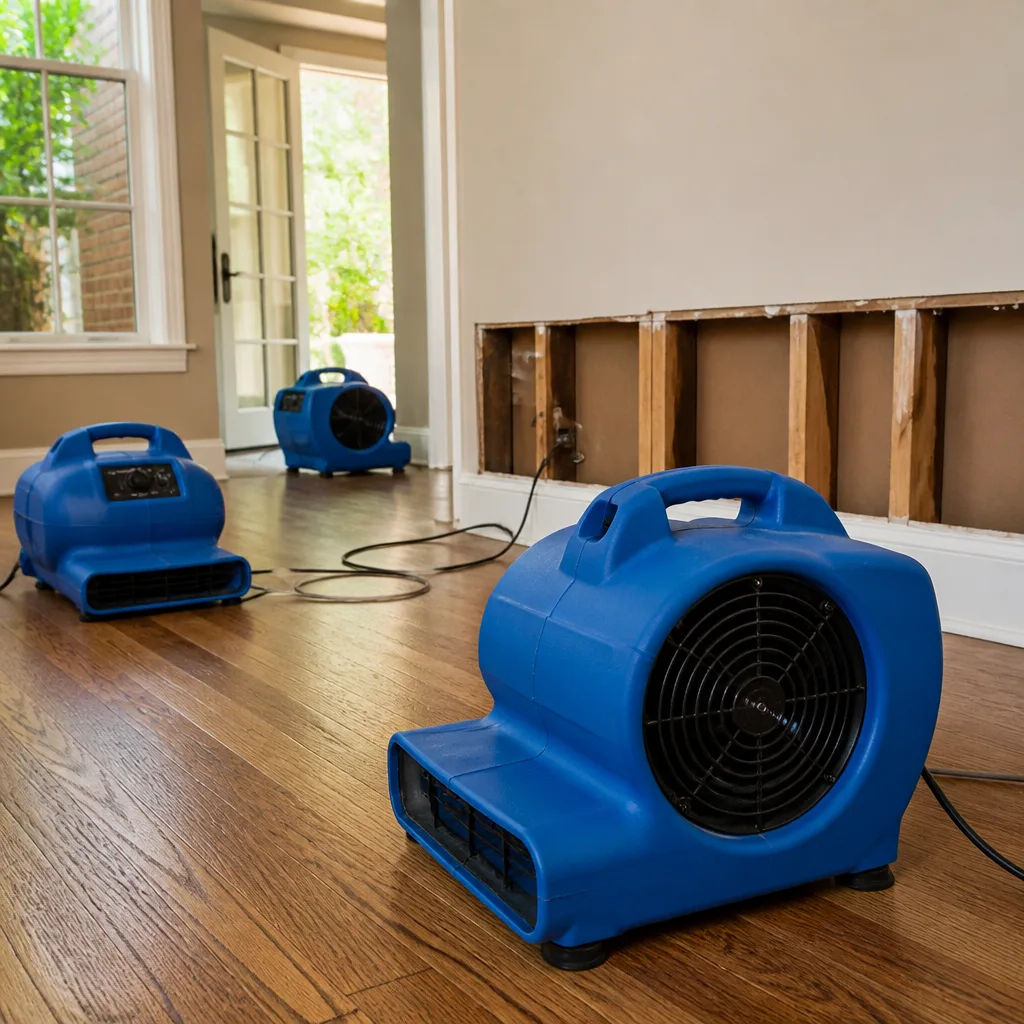
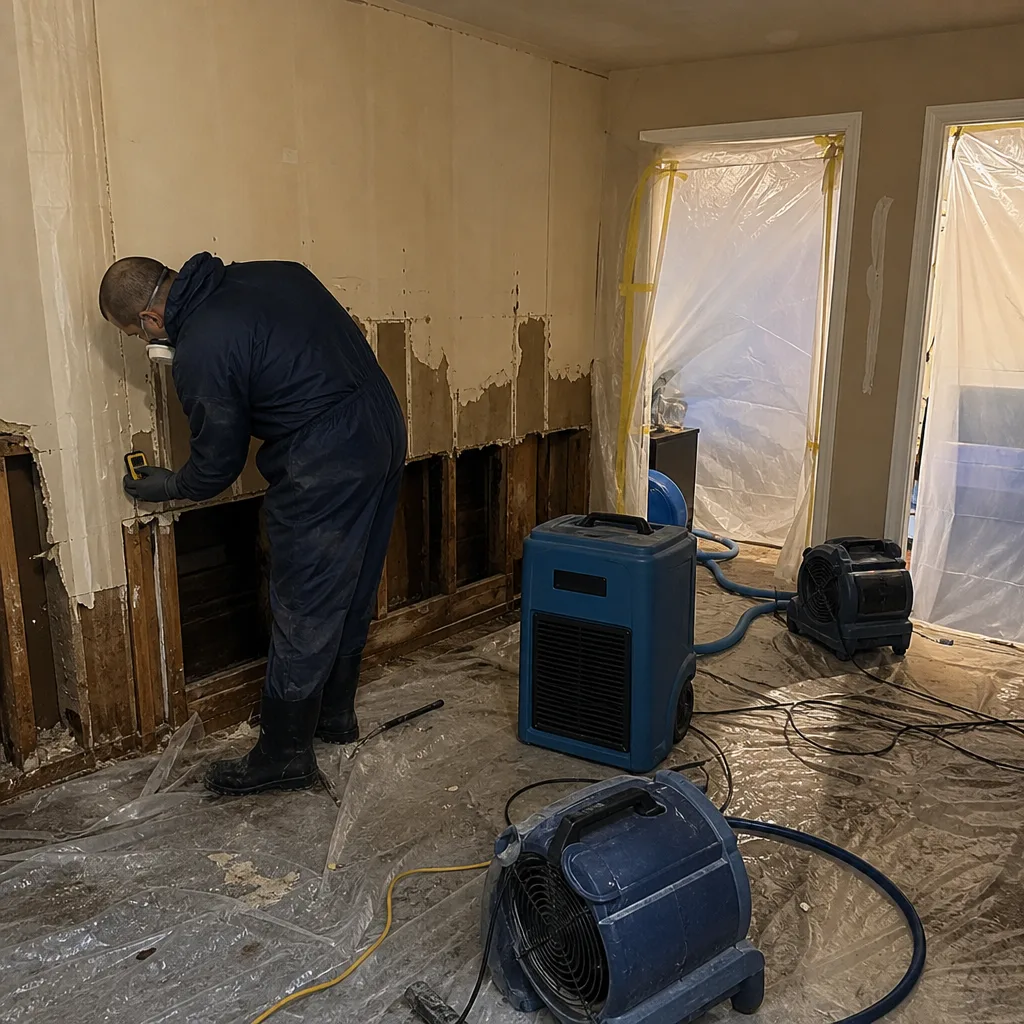
- Professional air movers from brands like XPOWER and B-Air are designed specifically for water damage mitigation. They produce high-velocity, low-profile airflow patterns that direct air across surfaces at the angle that maximizes evaporation. A professional drying setup in a single flooded room typically deploys two to six air movers plus a dehumidifier sized to the room’s cubic footage.
- Consumer dehumidifiers typically remove 20 to 30 pints of water per day under ideal conditions. They’re designed for living spaces, not for flood drying. A professional restoration dehumidifier, like the Dri-Eaz and Phoenix units we run, removes 70 to 130 pints per day and continues working at lower humidity thresholds than consumer units can reach.
- Desiccant dehumidifiers, used when the ambient humidity is too high for conventional refrigerant dehumidifiers to work efficiently, are almost never available to homeowners but are standard equipment in professional inventories in Florida, where outdoor humidity regularly defeats refrigerant units.
- Injectidry systems force air into wall cavities, under cabinets, and beneath flooring through small drilled holes, creating positive pressure that drives trapped moisture out. There is no consumer equivalent. If water has migrated under a cabinet or into a wall cavity, this is the only way to dry those spaces without removing the finishes.
The standard accepted in the restoration industry, including the standards we operate to at Keegan Restoration Tampa, comes from the IICRC. That standard defines what “dry” means for each material type. Drywall, framing lumber, concrete, and hardwood each have an acceptable moisture content. A professional restorer, and the documentation we generate, works to that standard. A homeowner with a rented dehumidifier and a box fan is guessing. In Tampa’s humidity, the guess is usually wrong in one direction: not dry enough.
What Professional Documentation Looks Like (And What It’s Worth)
When we complete a water damage restoration job in Tampa, the homeowner receives a package of documents that feels, to many people, excessive. It isn’t. Every page in that packet exists to protect the homeowner from the exact problems described earlier: claim denials, buyer demands, and legal liability.
Here’s what a professional documentation package contains:
- Initial moisture readings. We take readings in every affected room, using moisture meters that measure both surface and interior moisture levels in drywall, flooring, baseboards, framing, and subfloor. These readings are recorded before any drying equipment is placed.
- Drying log. As drying progresses, typically over three to five days in Tampa’s climate, we return to re-measure and record. The log shows a day-by-day progression from saturated to dry, confirming that the drying process is working and identifying any areas that aren’t responding as expected.
- Equipment placement records. Photos and notes showing where each air mover, dehumidifier, and injection point was placed. This matters because a future adjuster or buyer’s inspector can verify that the equipment setup was appropriate for the size and configuration of the loss.
- Final moisture readings. The last set of readings showing that every affected material has reached the IICRC acceptable moisture threshold. This is the key document: proof that the structure was returned to a dry standard, not just an assumption.
- Photos throughout the process. We photograph before, during, and after, including cavity inspections where walls were opened to verify drying or remove saturated materials. These photos are date-stamped and available to your insurance company or a future buyer’s inspector.
Every job we perform at Keegan Restoration Tampa runs to The Garrison Standard. That means the written price is delivered before any work starts, technicians are background-checked and uniformed, and every repair is backed by our 365-Day Done Right Promise: if the repair fails within one year, we return and make it right at no charge. The documentation isn’t an add-on or an upsell. It’s built into how we run the job because the documentation is what gives the repair its dollar value in a future claim or resale.
The Real Cost Comparison: Hidden DIY Expense Nobody Quotes
Let’s talk money, because the DIY decision usually starts with a price tag and stops there.
The visible cost comparison looks like this for a typical Tampa water event, say a supply line leak that saturated a bathroom floor and wicked into the adjacent hallway drywall:
| Cost Category | DIY Approach | Professional Restoration |
|---|---|---|
| Out-of-pocket, day one | $150 – $400 (fan rental, dehumidifier rental, cleaning supplies) | $1,800 – $4,200 (typical Category 2 water loss in a single room) |
| Documentation produced | None | Full drying log, moisture readings, photos |
| Time to “dry” | 1 – 2 days (surface dry only) | 3 – 5 days (structural dry to IICRC standard) |
| Verifiable if a mold claim follows | No | Yes |
| Resale impact | Possible buyer credit demand or deal failure | Documents satisfy buyer’s inspector |
| True cost if mold appears within 18 months | $3,500 – $12,000+ (mold remediation, out of pocket, plus any resale impact) | $0 (covered by the 365-Day Done Right Promise if the repair fails) |
The table doesn’t capture everything. Consider the scenario where your insurance claim is denied after DIY drying. Your out-of-pocket exposure isn’t just the mold remediation cost. It’s the lost ability to file a covered claim at all. That five-figure remediation bill that would have been an insurance matter becomes a personal expense. The $300 you saved on day one just bought you a $12,000 problem.
And here’s what the cheap bid won’t tell you: the price that matters isn’t the dry-out cost. It’s the guarantee behind the work. At Keegan Restoration Tampa, the 365-Day Done Right Promise means the repair is written up, guaranteed in writing for a full year, and backed by a free return visit if the work fails. The price is in writing before we start, and it doesn’t move at the door. That’s The Garrison Standard, and it’s why we put the number on paper before the first fan goes in.
Common Mistakes to Avoid
After years of walking into Tampa homes after a water event, here are the mistakes we see repeated most often, and why they cost more than the original repair would have:
- Mistaking surface dryness for structural dryness. A wall can feel bone dry to your palm while the cavity behind it holds 30 percent moisture. Use a moisture meter, not your hand, or call someone who has one.
- Running fans without a dehumidifier. In Tampa, moving humid air around a wet room is like trying to dry a towel by waving it around in a sauna. You’re circulating moisture, not removing it.
- Waiting to see if it dries on its own. Mold germination in Florida’s climate starts in 48 to 72 hours. Every day of waiting moves you closer to a remediation problem instead of a mitigation problem.
- Cleaning mold with bleach and painting over it. Bleach doesn’t kill mold on porous surfaces; it bleaches the color while the roots remain. Painting over mold seals it in temporarily, then the stain and spores push through months later. In Florida, mold over 10 square feet legally requires a licensed remediator.
- Not documenting anything. Even if you do perform a legitimate small-area DIY cleanup, photograph the before and after, note the date and the moisture source, and keep the records. Anything that might one day become a disclosure needs a paper trail.
- Assuming insurance will cover a claim based on a verbal account. Insurers don’t pay on stories. They pay on documentation. No moisture readings, no equipment records, no technician certification: no claim.
- Hiring the first contractor who answers the phone without a written price. Some crews in this trade quote low over the phone and adjust once they’re inside the house. The Garrison Standard we run to at Keegan Restoration Tampa is the opposite: the written price is delivered before any work starts, and it never moves at the door.
When to Call a Professional
Call a professional restoration company in Tampa when any of these conditions apply: water came from a sewage source or a storm flood, water has penetrated drywall or flooring or entered a wall cavity, the affected area exceeds 10 square feet, mold is visible or suspected beyond a small surface patch, or the water event is tied to a future insurance claim you may need to file. The same applies to fire damage, where smoke residue requires specialized cleaning, and to mold beyond the 10-square-foot legal threshold. For year-round prevention tips, read our Seasonal Damage Restoration Care for Tampa: Year-Round Homeowner’s Guide. Keegan Restoration Tampa offers free estimates in Tampa; call (850) 367-1316 and a live person answers, day or night.
Frequently Asked Questions
Professional water damage restoration in Tampa typically runs $1,800 to $4,200 for a single-room Category 2 water loss involving drywall and flooring saturation, with larger or multi-room losses scaling upward. Your exact price depends on the square footage affected, the materials involved, and how long the water sat before mitigation began. Call (850) 367-1316 for a written estimate; at Keegan Restoration Tampa, the price is in writing before any work starts.
You can dry surface water on non-porous materials under 10 square feet yourself, but Tampa’s ambient humidity above 70 percent means consumer fans and dehumidifiers cannot dry wall cavities, subfloors, or under-cabinet spaces to the IICRC standard. Hidden moisture in those areas leads to mold and documentation gaps that complicate future insurance claims.
Florida homeowners insurance typically covers sudden and accidental water damage, like a burst pipe or appliance overflow, but not gradual leaks or flood damage from outside sources. Your insurer will expect documentation of professional mitigation if a future claim hinges on the original drying. We format every job’s documentation at Keegan Restoration Tampa to support your insurance claim directly.
Florida Statute 468.84 requires any mold assessment or remediation work affecting more than 10 square feet to be performed by a licensed mold assessor or remediator. Homeowners who self-perform mold work above that threshold create disclosure and liability issues at resale and risk having related insurance claims denied.
At Keegan Restoration Tampa, a live person answers the phone 24 hours a day, 7 days a week, including nights, weekends, and holidays. For active water damage, our crews are dispatched quickly because the 48-to-72-hour mold window in Florida’s climate makes every hour count. Call (850) 367-1316 to get someone on the line immediately.
Yes. A buyer’s inspector who finds evidence of past water damage will typically ask whether it was professionally remediated and whether documentation exists. Without professional moisture readings and drying logs, expect a price concession demand, a sale delay, or a lost deal. Documentation has real dollar value at closing.
The Bottom Line
The DIY-versus-professional decision in damage restoration comes down to what you can’t see and what you can’t prove. If the water stayed on the surface and under 10 square feet, dry it yourself and move on. If it touched anything porous or entered a building assembly, the smart money in Tampa hires a crew that produces moisture data, works to a written standard, and backs the repair in writing. The documentation isn’t bureaucracy; it’s the asset you’ll want in hand when the claim adjuster or the buyer’s inspector comes asking. Keegan Restoration Tampa has been part of the Garrison Partners family since 2005, and every job we run operates under The Garrison Standard: the price in writing before work starts, background-checked technicians in uniform, professional-grade equipment from Dri-Eaz, Phoenix, XPOWER, B-Air, and Injectidry, and the 365-Day Done Right Promise behind every repair. If you’re facing water, fire, or mold in Tampa, call (850) 367-1316 for a free estimate and a straight answer about whether DIY can honestly do the job.
Written by Shane Pruitt, Owner at Keegan Restoration Tampa, serving Tampa since 2005.
See the difference
 Before
 After
After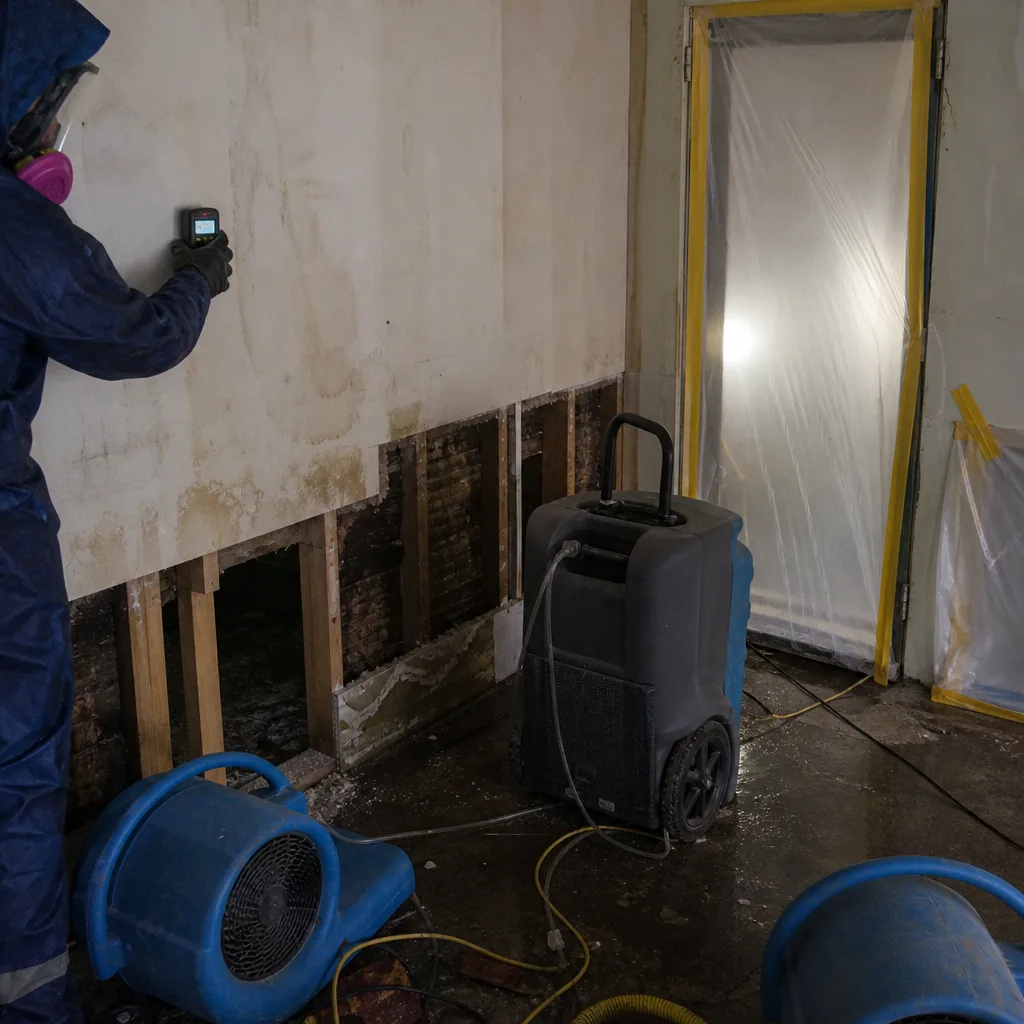 Before
 After
After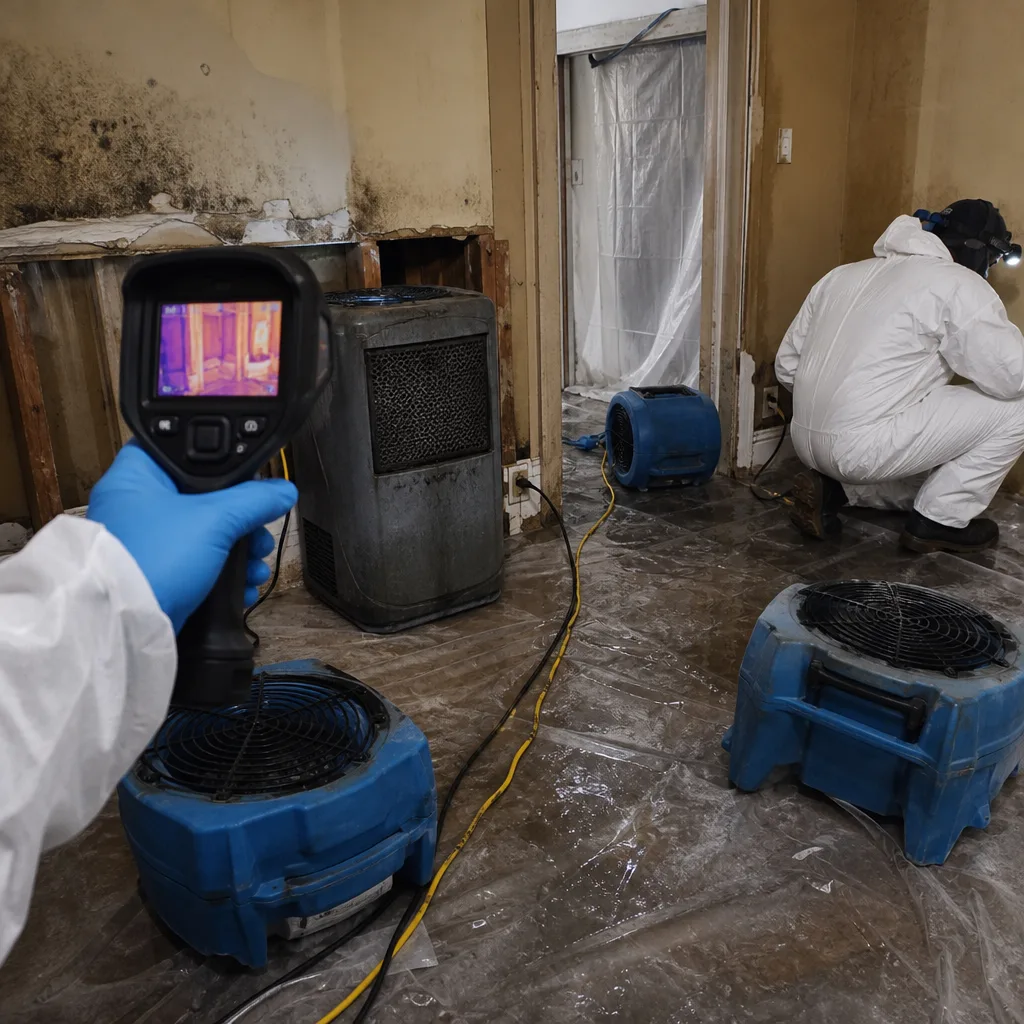 Before
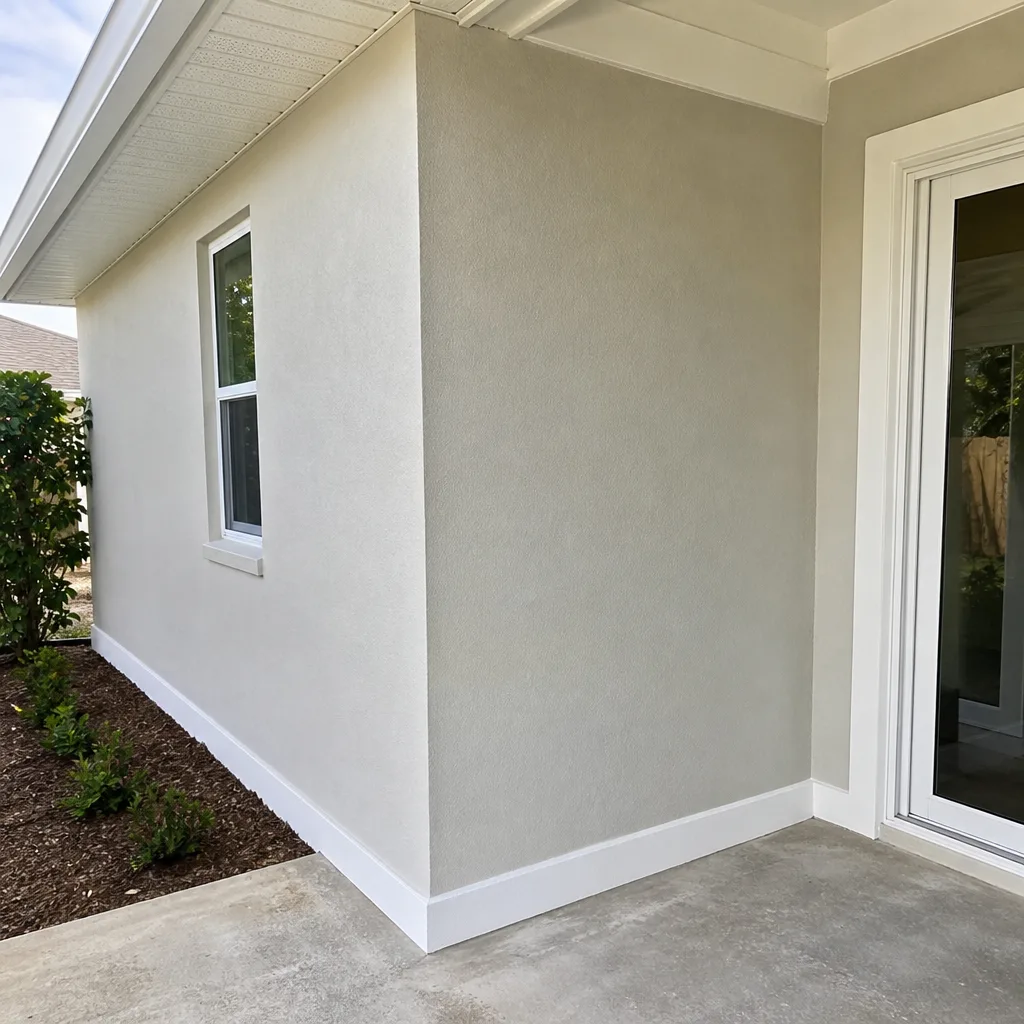 After
After