

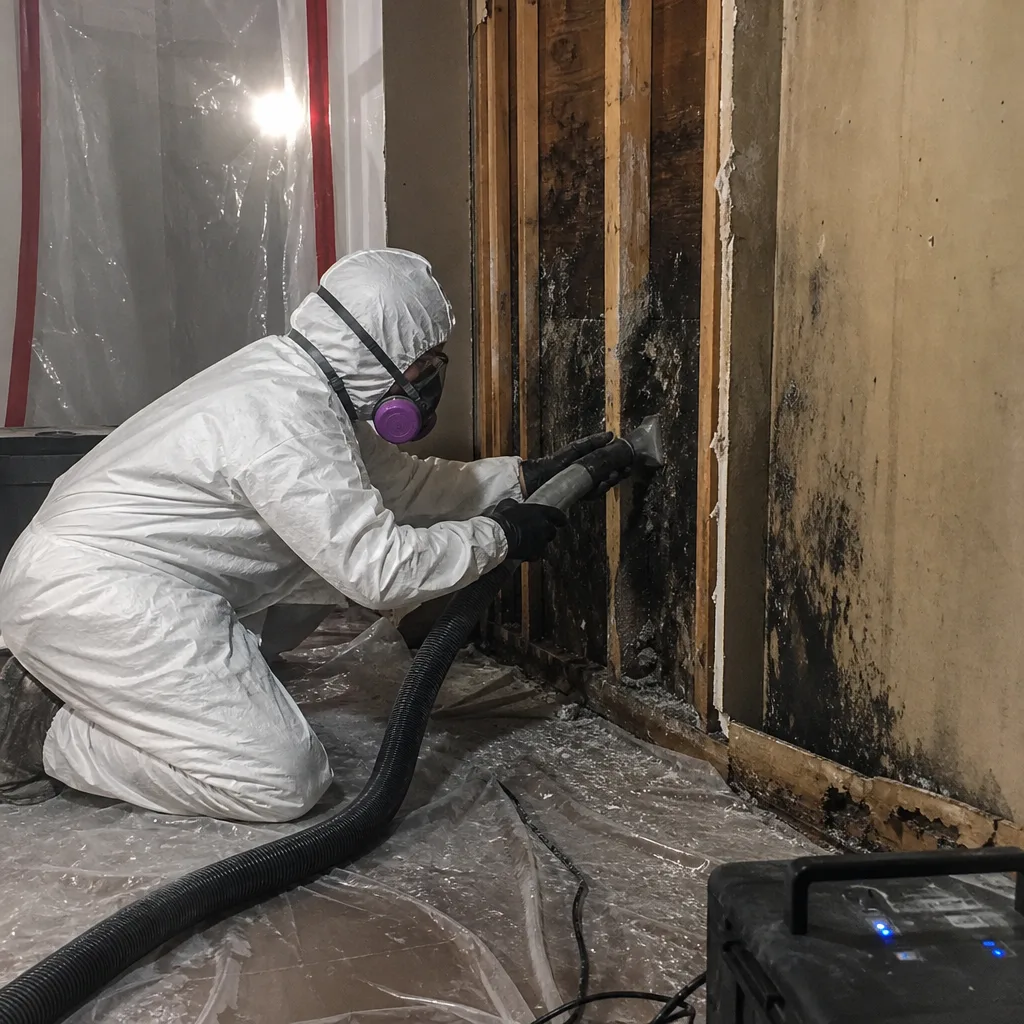
 Mold remediation
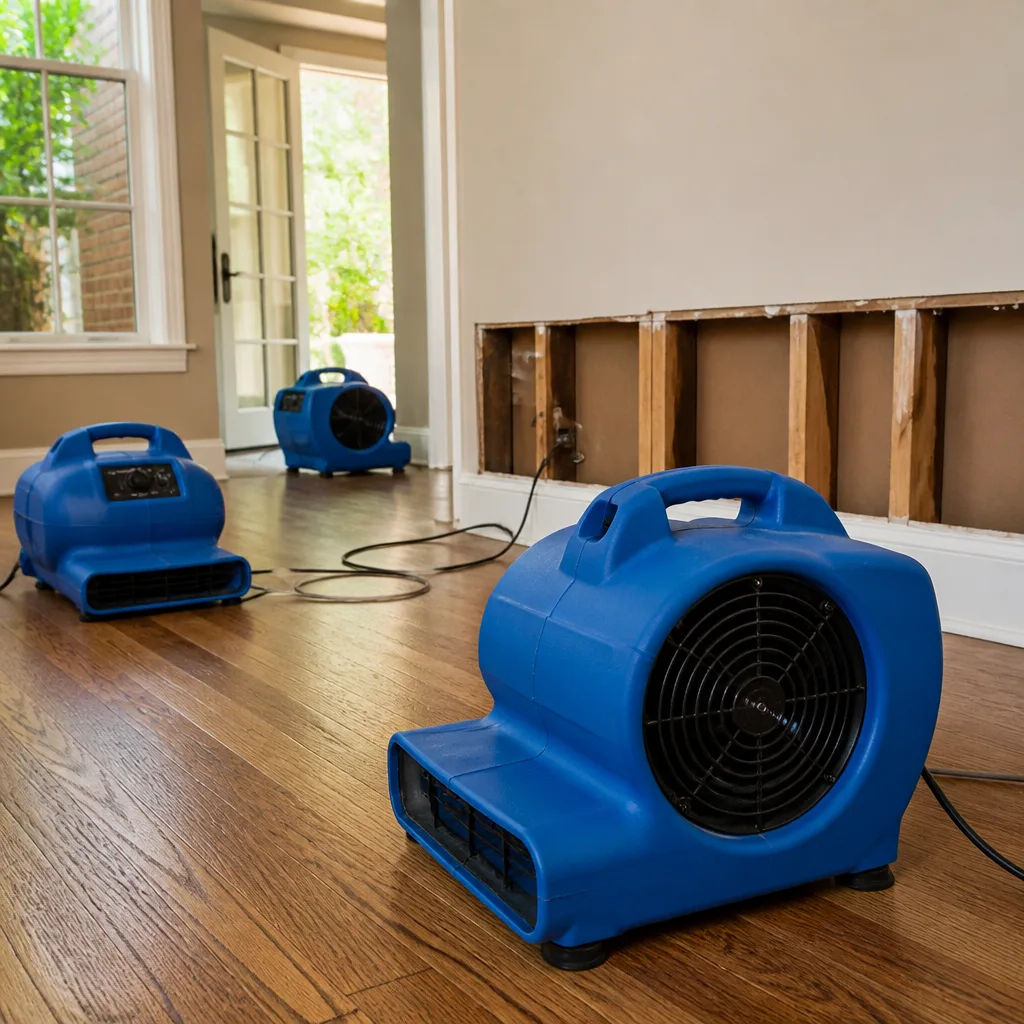 Water damage drying
 Fire & smoke cleanup
 Storm response
 Sewage cleanup
 Reconstruction
Free visual inspection and a written scope of work before any mitigation begins - photos, moisture readings, and drying logs go in your claim file
The scope we write is the scope we bill. Anything new gets shown to you, in writing, before we touch it.
Get your free estimateRestoration work we handle
See the difference
 Before
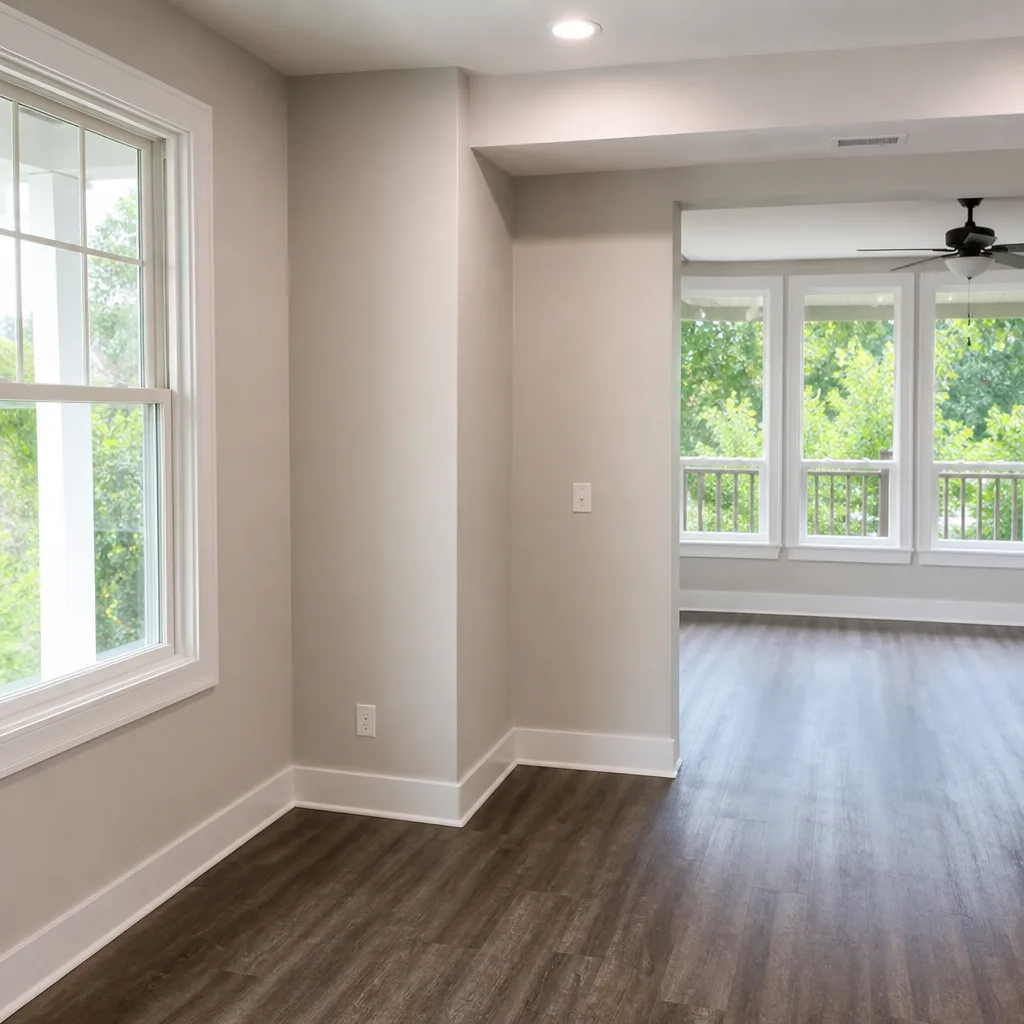
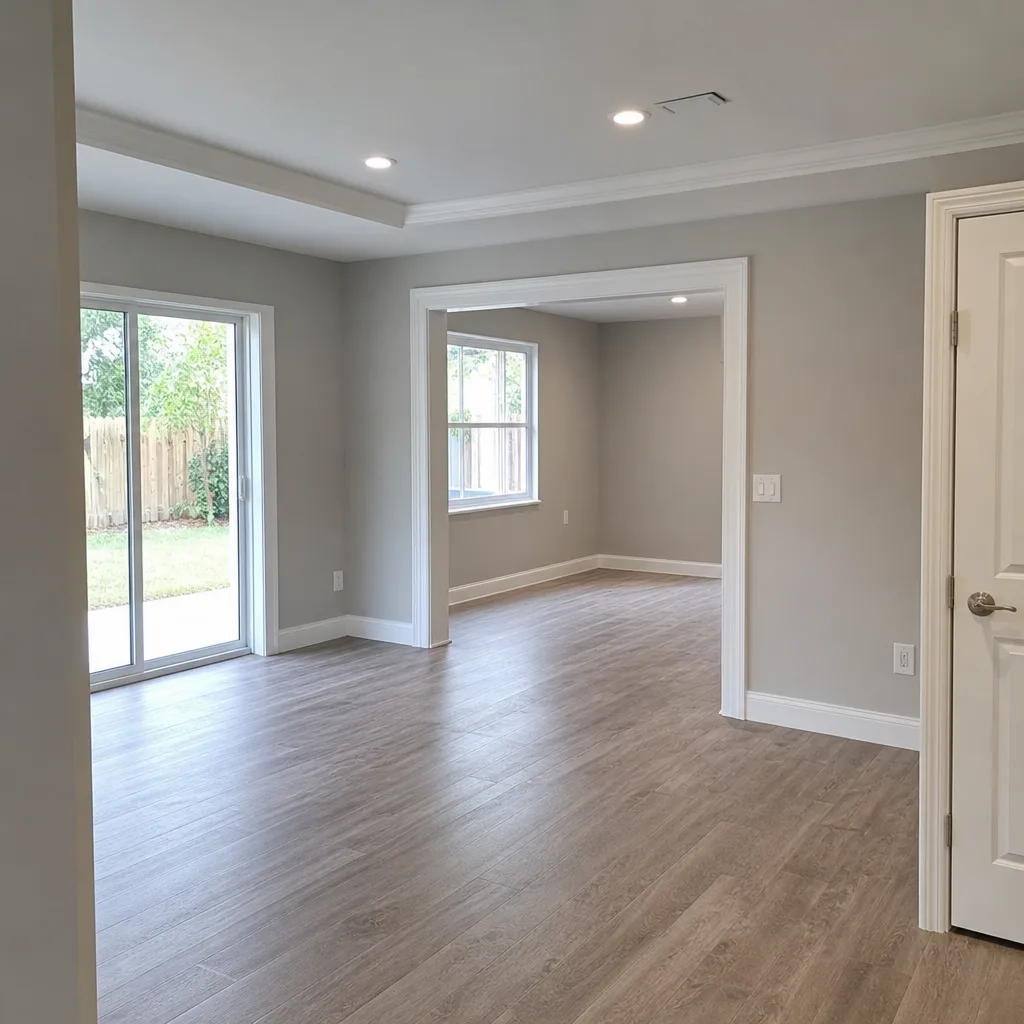 After
After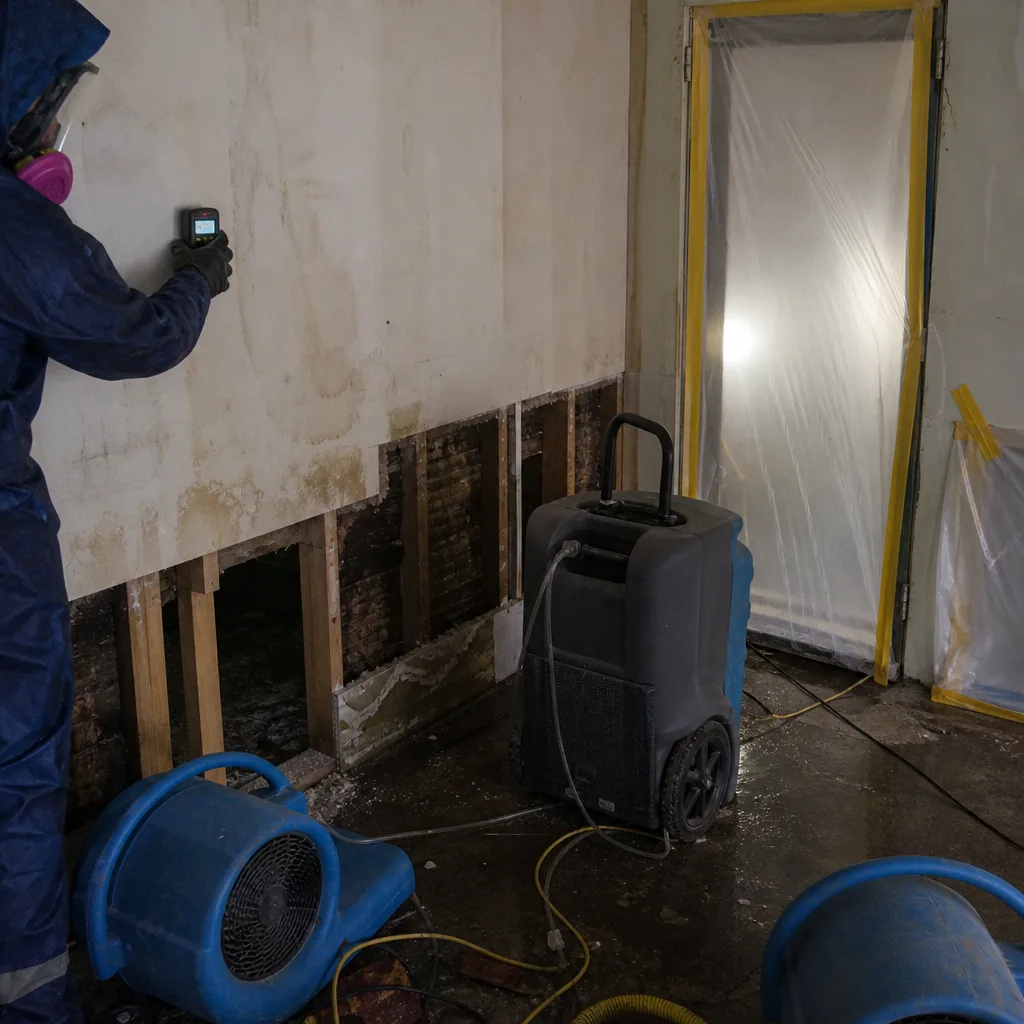 Before
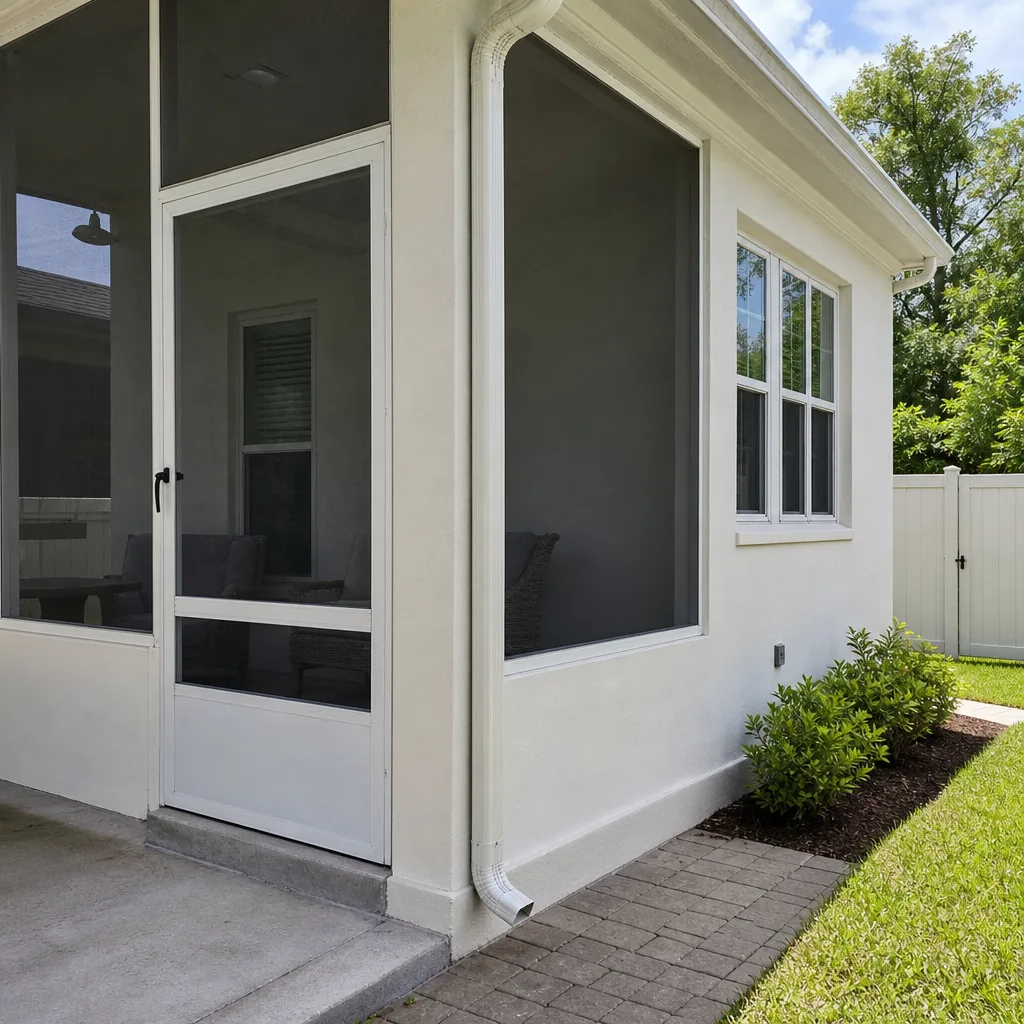 After
After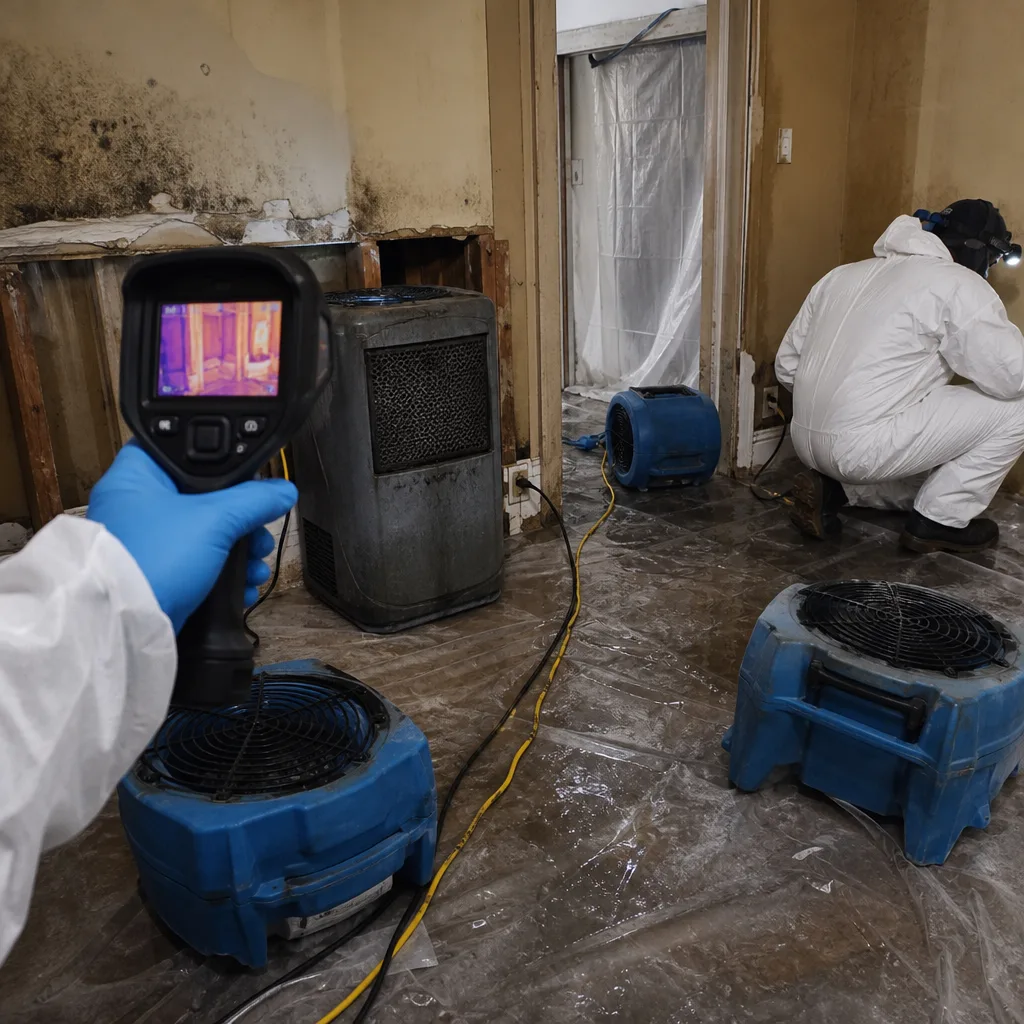 Before
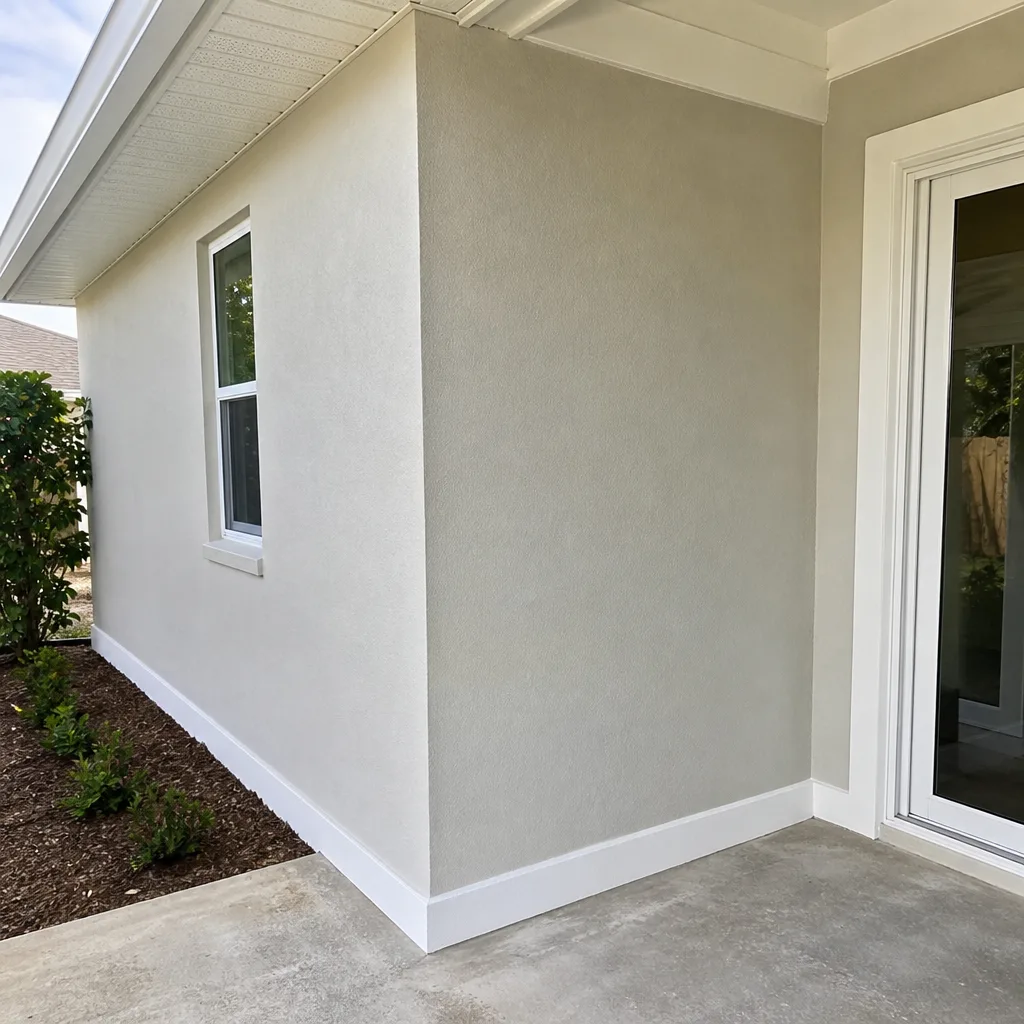 After
AfterHow Much Does Mold Remediation Cost in Tampa?
Mold Remediation in Tampa typically costs between $1,500 and $6,500 for most residential jobs, with the average homeowner paying around $3,400. Small contained issues like a bathroom ceiling patch run $500 to $1,500, while whole-attic remediation or crawl space encapsulation can push past $10,000. These are 2026 Tampa market figures based on what we see on job sites across Hillsborough County every week.
Here’s the straight answer before we get into the details: most Tampa homes fall in the $2,000 to $4,500 range for a typical single-room remediation with containment, HEPA air scrubbing, antimicrobial treatment, and clearance testing. That includes the demolition of affected drywall, treatment of framing, and drying verification. It does not include rebuilding, which is a separate line item most homeowners don’t expect until they see the scope of loss.
Mold Remediation Cost Breakdown (2026)
When we write a mold remediation estimate in Tampa, we break it into line items. You should expect the same from any contractor you call. A one-page lump sum with no breakdown is a red flag. Here’s what we’re seeing across Tampa, Seminole Heights, Westchase, Carrollwood, and Brandon in 2026:
| Remediation Item | Typical Tampa Cost Range | Notes |
|---|---|---|
| Inspection & moisture mapping | $150 – $400 | Often credited toward remediation if you proceed |
| Containment (single room) | $300 – $800 | Negative air pressure, poly sheeting, zippered entry |
| HEPA air scrubber rental (3-5 days) | $250 – $700 | Per unit; most jobs need 2 |
| Removal of affected drywall/insulation | $400 – $1,800 | Depends on square footage and whether it’s wet or dry mold |
| HEPA vacuuming & surface cleaning | $300 – $1,200 | All surfaces inside containment, plus 2 feet outside |
| Antimicrobial/antifungal treatment | $200 – $600 | EPA-registered products applied to affected framing |
| Clearance testing (third-party) | $250 – $600 | Air and surface samples sent to an independent lab |
| Bathroom ceiling (10-15 sq ft) | $500 – $1,500 | Full job including containment and testing |
| Single room (100-150 sq ft) | $1,800 – $4,200 | Typical for HVAC closet leaks, roof leaks |
| Attic remediation | $3,000 – $9,000+ | Often includes insulation removal and replacement |
| Crawl space encapsulation + remediation | $4,000 – $12,000+ | Vapor barrier, dehumidifier, fungal wood treatment |
| Rebuild/repair drywall after remediation | $800 – $3,500 | Not always included in remediation quotes |
Something we tell every Tampa homeowner: if a quote is under $1,000 for a room, ask exactly what’s included. Cheap bids usually skip containment or clearance testing, and both are non-negotiable for a real remediation. Mold spores become airborne in seconds during demolition. Without negative air pressure, you’re not removing mold, you’re relocating it to your bedroom and your child’s closet.
If a quote is over $8,000 for a single room, ask for the moisture map and the scope of loss. Tampa’s humidity means some jobs legitimately run that high, especially when a supply line has been dripping inside a wall cavity for months in Davis Islands or Palma Ceia. But you deserve to see the numbers behind the number.
What Affects Mold Remediation Pricing in Tampa
Your price is driven by six things. Here they are, in order of impact:
- Square footage of affected material. Remediation is priced per square foot of surface area, not floor area. A 10×10 room with mold on one wall is 100 square feet of remediation. The same room with mold on all four walls and the ceiling is 350 square feet. That’s a $1,500 job becoming a $4,000 job quickly.
- Where the mold is located. Attics and crawl spaces in Tampa run higher because the heat and tight access slow everything down. A technician in full PPE in a 130-degree Davis Islands attic in August works in 20-minute rotations. That labor cost shows up on the invoice.
- The moisture source. Mold is a symptom. The cause is water. If the source is an active leak (roof, plumbing, HVAC drain pan), you’re paying for both the remediation and the repair, or the mold comes back. We won’t treat mold behind a wall with an active leak behind it. We fix the water problem, then remediate. Any contractor who skips that step is selling you a temporary result.
- Containment complexity. A single bathroom with one doorway is straightforward containment. Mold running through an open-concept living area or a finished attic with knee walls requires more poly, more air scrubbers, and more setup labor. In historic bungalows in Seminole Heights, plaster walls and tight interiors add hours.
- Type of mold. Most Tampa mold is the common stuff: Cladosporium, Aspergillus, Penicillium. The price doesn’t change much by species unless it’s Stachybotrys (often called black mold), which requires stricter containment protocols and sometimes disposal of porous contents. That can add 15 to 25 percent.
- Testing requirements. Some Tampa insurance policies and some buyers’ inspections require independent clearance testing from a third-party hygienist. That adds $250 to $600 and can’t be done by the remediation contractor. We support it, and we’ll give you the name of local labs if you want an outside set of eyes.
Tampa-Specific Factors That Move the Price
Tampa’s climate makes mold a year-round issue, and it changes how remediation is priced compared to, say, Atlanta or Charlotte. Here’s what’s different about this market:
Humidity is a constant enemy. Tampa’s average relative humidity runs 70 to 80 percent for most of the year. That means moisture doesn’t dry on its own. It also means mold growth starts faster after a water event: 24 to 48 hours, not 3 to 5 days like drier climates. Faster growth means faster spread, and faster spread means more square footage by the time remediation starts. If you had a water leak yesterday in Tampa and you wait until next week, you’ve almost certainly got mold.
AC systems run hard and fail. Most Tampa mold we remediate traces back to HVAC condensate lines, clogged drain pans, or supply ducts sweating in uninsulated attics. The classic call we get in July from Westchase or New Tampa: homeowner sees a water stain spreading across the ceiling below the air handler. By the time we open it up, the mold has colonized the drywall and the insulation. HVAC-related mold remediation in Tampa typically runs $2,500 to $5,000 because the affected area is almost always larger than the visible stain.
Roofs take a beating. Summer thunderstorms, tropical systems, and aging shingles put water where it shouldn’t be. If a roof leak has been running down an interior wall for weeks or months, the remediation includes both wall cavity work and possible truss treatment. We see this consistently in Carrollwood and Lutz, where mature oak trees drop branches on roofs and the leak goes unnoticed until the stain bleeds through.
Older housing stock in South Tampa and Seminole Heights. 1920s and 1940s bungalows have plaster walls, wood lath, and decades of renovation layers. Mold gets between those layers, and removal is slower and more careful. It’s not that the mold is worse; it’s that accessing it takes more labor hours. Budget 20 to 30 percent more for a historic Tampa home than a 2000s construction in Brandon or Riverview.
Is Mold Remediation Covered by Homeowners Insurance in Tampa?
Sometimes. Florida insurers are notoriously strict about mold, and the answer depends entirely on the policy language. Standard HO-3 policies in Florida often cap mold coverage at $10,000 or exclude it entirely unless it results from a covered peril (like a sudden pipe burst or a windstorm-driven roof leak). The key phrase in most Florida policies is “sudden and accidental.” If the water event that caused the mold was sudden and accidental, you have a chance at coverage. If it was a slow leak over months, most Tampa insurers will deny the mold portion.
What we do on every job, regardless of your insurer: photograph everything before we start, document the moisture readings with thermal imaging and pin meters, log each step of containment and treatment, and provide a formatted scope-of-loss package you can hand to your adjuster. Insurance companies process documented claims faster. We’ve seen Tampa homeowners get mold coverage after a denial simply because the file was built correctly. That documentation is part of how we run every job, not an upsell.
If your policy has a mold cap, understand what it means before you sign any remediation contract. It means the insurer will pay up to that amount for mold remediation specifically, and everything above it is yours. We’ll write the estimate to the scope of loss, not to the cap. You’ll know the real number before work starts.
How Tampa Mold Remediation Actually Works (Step by Step)
You should know what a legitimate remediation looks like before you hire anyone. Here’s the process we follow on every Tampa job, and any contractor worth hiring follows something close to it:
- Inspection and moisture mapping. We don’t start with mold. We start with water. A pin meter, a thermal camera, and a visual inspection tell us where the moisture is, where it came from, and where it’s moving. If the source is still active, we stop and address it first. This takes 30 to 90 minutes.
- Written scope and price. Before any tools come off the truck, you get a written price with line-item detail, the square footage of affected material, the containment plan, the equipment list, and the expected duration. That price does not move at the door. If we find additional affected area during the job, we stop and show you before we expand the scope.
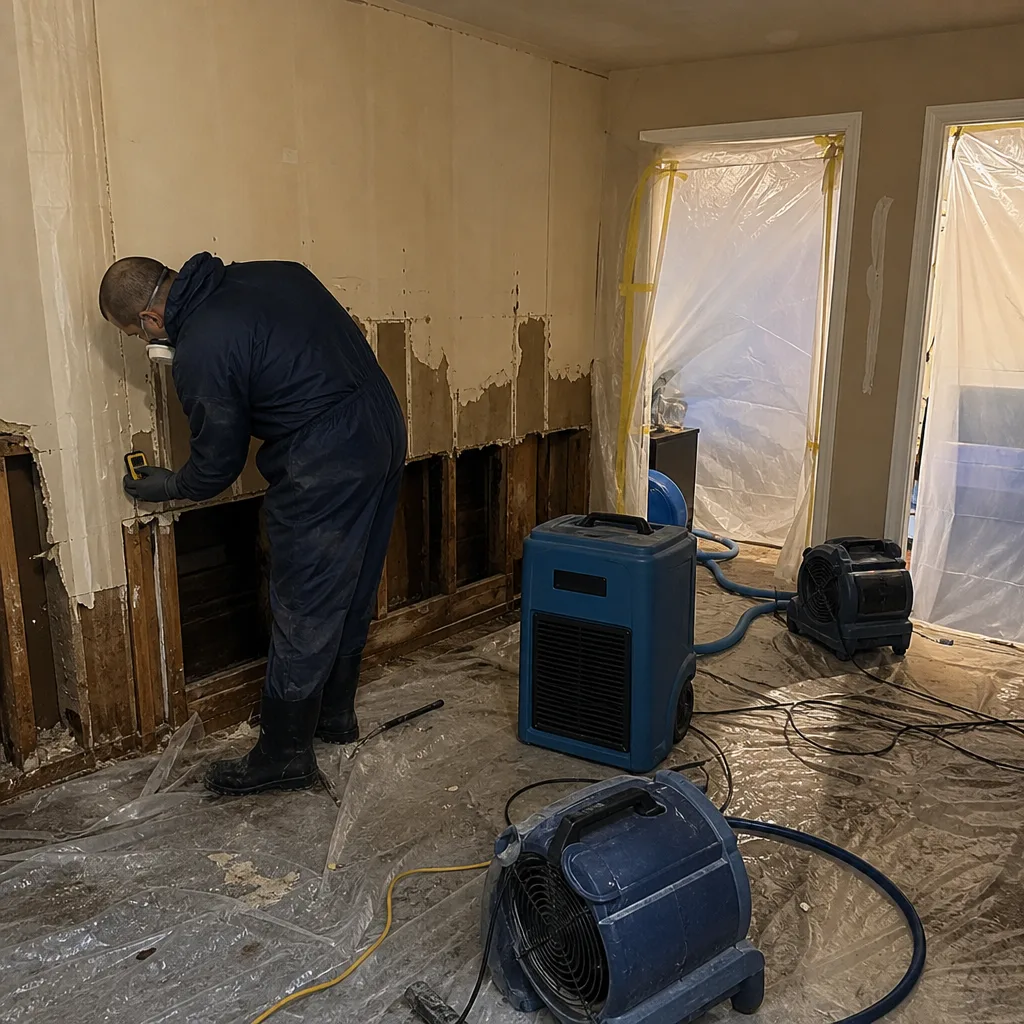
- Containment setup. We seal the work area with 6-mil polyethylene, set up negative air pressure so air flows into the work area and not out, and install a zippered entry. This keeps mold spores from riding your AC ducts into other rooms in your Tampa home.
- Air scrubbers on. HEPA air scrubbers run throughout the job. They’re running before we cut anything, and they keep running until we pass clearance. These are Dri-Eaz and Phoenix units, the same brands used in hospital-grade restoration work.
- Removal of affected materials. Drywall, insulation, baseboard, carpet pad: anything porous with visible mold growth or confirmed moisture damage comes out. Cutting is done with HEPA-filtered tools where possible to reduce dust.
- HEPA vacuuming and cleaning. Every surface inside containment gets HEPA-vacuumed, then wiped with antimicrobial solution. The framing, the subfloor, the pipes, the ceiling joists: all of it.
- Antimicrobial treatment. We apply an EPA-registered antimicrobial to all affected surfaces. This kills remaining mold and helps prevent regrowth on the treated wood and masonry.
- Drying verification. We use psychrometrics: measuring temperature, relative humidity, and moisture content until the affected materials are dry by the numbers, not by touch. In Tampa’s humidity, this step is not optional.
- Clearance testing. A third-party lab collects air and surface samples inside and outside the containment. Your home is cleared when indoor mold counts test at or below the outdoor baseline. If it doesn’t pass, we remediate again until it does. That’s what the 365-Day Done Right Promise is for: if it doesn’t pass, we make it right, in writing, at no additional charge.
- Demolition debris removal and site cleanup. We bag contaminated materials inside containment, wipe down the bags, and haul them out through the shortest path. We leave the site swept and clean. That’s part of The Garrison Standard.
After remediation, you’ll need rebuild work: new drywall, texture, paint, sometimes flooring. Some Tampa companies do both remediation and rebuild. We do remediation as the core service and can coordinate trades for the rebuild, but we’ll never blur the lines. You’ll know exactly what’s remediation and what’s repair.
How to Save on Mold Remediation in Tampa
Saving money on mold remediation doesn’t mean finding a cheaper contractor. It means catching the problem smaller, acting faster, and not paying for the same work twice.
Act in the first 48 hours. The single biggest cost driver in Tampa is delay. Mold starts growing within 24 to 48 hours after a water event. A leak caught in the first two days is often a $500 to $1,200 cleanup. The same leak left for three weeks is a $4,000 remediation. If you see a water stain, damp drywall, or a musty smell, call (850) 367-1316 right then. We’ll tell you over the phone whether it sounds urgent, and the estimate is free.
Fix the moisture source immediately. Don’t remediate mold until the water source is stopped. That’s not a money-saving tip, it’s a requirement. Paying for remediation while a pipe drips behind the wall is paying twice.
Understand your deductible and your mold cap. If your Tampa policy covers mold up to $10,000 with a $2,500 deductible, that cap is your ceiling and the deductible is your floor. Knowing this helps you evaluate the estimate with clear eyes.
Ask for a line-item estimate. A lump-sum quote tells you nothing. A line-item estimate lets you see where the money goes and compare apples to apples. If a contractor won’t give you one, keep looking.
Don’t skip containment to save money. Some Tampa handymen offer “mold spray” treatments for $300. That’s not Mold Removal. Without containment and HEPA air scrubbing, scrubbing visible mold can release more spores into your home than it removes. You’ll pay for real remediation later, plus possibly new mold in new places.
Use a contractor who documents everything. If your claim is denied or delayed, your documentation is your leverage. We photograph every stage, log moisture readings, and deliver a final package you can send directly to your adjuster. Hidden documentation costs you money on the back end.
How Much Does Mold Remediation Cost in Tampa: Quick Reference by Scenario
Every home is different, but these are the jobs we see most often across the Tampa market with real 2026 price ranges:
- Small bathroom ceiling (10-20 sq ft), no rebuild: $500 – $1,500
- HVAC closet leak, single wall, with containment: $1,200 – $2,500
- Kitchen sink supply line leak, cabinet and drywall: $1,800 – $4,000
- Roof leak in one bedroom, ceiling and wall cavity: $2,500 – $5,500
- Water heater closet, floor and wall, with floor repair: $2,000 – $4,800
- Attic mold from poor ventilation, full remediation: $3,000 – $9,000+
- Crawl space mold with encapsulation: $4,000 – $12,000+
- Whole-house mold from flooding or long-term leak: $8,000 – $25,000+
These numbers include labor, materials, containment, equipment, antimicrobial treatment, and clearance testing. Rebuild (drywall, paint, trim) is extra unless specified. Ask every contractor you call whether their quote includes testing and debris removal. We’ve walked onto jobs in Tampa where another company’s “complete” remediation left piles of contaminated drywall in the yard and a homeowner with no clearance documentation.
Keegan Restoration Tampa has been part of the Garrison Partners family since 2005. We run every mold job to The Garrison Standard: written price before work starts, background-checked uniformed technicians, professional-grade equipment from Dri-Eaz, Phoenix, XPOWER, B-Air, and Injectidry, and full documentation formatted for your insurance claim. The 365-Day Done Right Promise covers every remediation in writing for a year, and a live person answers the phone 24 hours a day, 7 days a week. When you call at 2 a.m. with water actively spreading in your Tampa home, you’ll talk to a person, not a phone tree.
When You Can Skip Full Remediation (And When You Cannot)
Not every mold stain is a $5,000 emergency. Here’s the honest version:
You might handle it yourself if: the affected area is under 10 square feet, the surface is non-porous (tile, glass, sealed concrete), the source of moisture is identified and fixed, and you have no respiratory issues in the home. A bleach-and-water wipe on a window frame or a shower corner is reasonable. Wear gloves, wear an N95 mask, and ventilate the room.
You need a professional if: the affected area is over 10 square feet, the mold is on drywall or insulation (porous materials can’t be cleaned, only removed), you can smell it but can’t see it, you have children, elderly family members, or anyone with asthma or immune issues in the home, or you’re buying or selling the property. Tampa real estate transactions with visible mold almost always require documented professional remediation with clearance lab results.
Shane Pruitt, who leads our Tampa team, puts it this way: if you can see the mold on one side of the drywall, you can assume it’s on the other side too. That’s not scare tactics. That’s how mold anatomy works.
FAQs – Mold Remediation Cost in Tampa
Is mold remediation worth the cost in Tampa?
Yes. A typical $3,000 to $4,500 remediation on a Tampa home protects a $400,000 to $600,000 asset and the health of the people inside it. Untreated mold spreads, and a $1,500 problem becomes a $6,000 problem in a few months. Mold is also a deal-killer in Tampa real estate transactions; documented remediation with clearance testing preserves your sale price. Call (850) 367-1316 for a free estimate and a straight answer on your specific situation.
How long does mold remediation take in Tampa?
Most single-room mold remediation jobs in Tampa take 2 to 4 days from containment setup to clearance testing. A whole attic or crawl space job runs 5 to 10 days. Tampa’s humidity rarely slows indoor work, but drying verification can add a day when the outdoor dew point is high. We’ll give you a schedule in writing before we start, and we run to it.
Does homeowners insurance cover mold remediation in Florida?
It depends on your policy. Florida insurers often cap mold coverage at $10,000 or exclude it unless it’s tied to a sudden, covered water event. Slow leaks are frequently denied. What matters most is documentation: we photograph everything, log moisture readings, and deliver a claim-ready package that gives your adjuster no reason to stall. Call (850) 367-1316 and we’ll help you understand your policy language before you pay a dollar.
Is it cheaper to just replace the drywall and paint over the mold?
Cheaper now, expensive later. Painting over mold doesn’t kill it. The mold keeps growing behind the paint, and within months you’ll see staining through the new finish and smell it through the room. By then the colony is larger and the remediation costs more than it would have the first time. Removal of affected material is the only legitimate treatment for mold on porous surfaces like drywall. If a contractor offers to just paint over it, that’s not remediation, that’s covering up a problem and charging you for it. Our mold remediation service in Tampa removes the source, not just the stain.
Can you come out today to look at mold in my Tampa home?
Yes. We answer the phone live, 24/7, and we schedule Mold Inspection & Testing every day of the week. Same-day visits are possible in most of Tampa, Brandon, Riverview, Carrollwood, and surrounding areas. The inspection is free, and you’ll know where you stand before any work is authorized. Call (850) 367-1316.
Get a Free Mold Remediation Estimate in Tampa
If you’ve found mold, or you’ve got a musty smell and a water stain you can’t explain, don’t wait. Tampa’s humidity works against you every day you delay. Call Keegan Restoration Tampa at (850) 367-1316 and you’ll talk to a live person, not a recording. We’ll schedule a free inspection, give you a written price before any work starts, and explain exactly what we found and what it takes to fix it. Every job runs to The Garrison Standard, and every repair carries the 365-Day Done Right Promise in writing. That’s the only way we work.
Pricing reflects the Tampa market as of 2026. Keegan Restoration Tampa offers free estimates – call (850) 367-1316. Written by Shane Pruitt, who leads the mold remediation team at Keegan Restoration Tampa, serving the Tampa Bay area since 2005.
What Our Customers Say
"Overall great. One technician no-showed on day two but the lead covered it and they finished on schedule."
- Wes K."Basement water from a bad sump pump. Extracted, dried, and treated for mold. The smell is gone."
- Perry J."Quiet, focused crew. Everyone had a job and they did it."
- Alice M.