
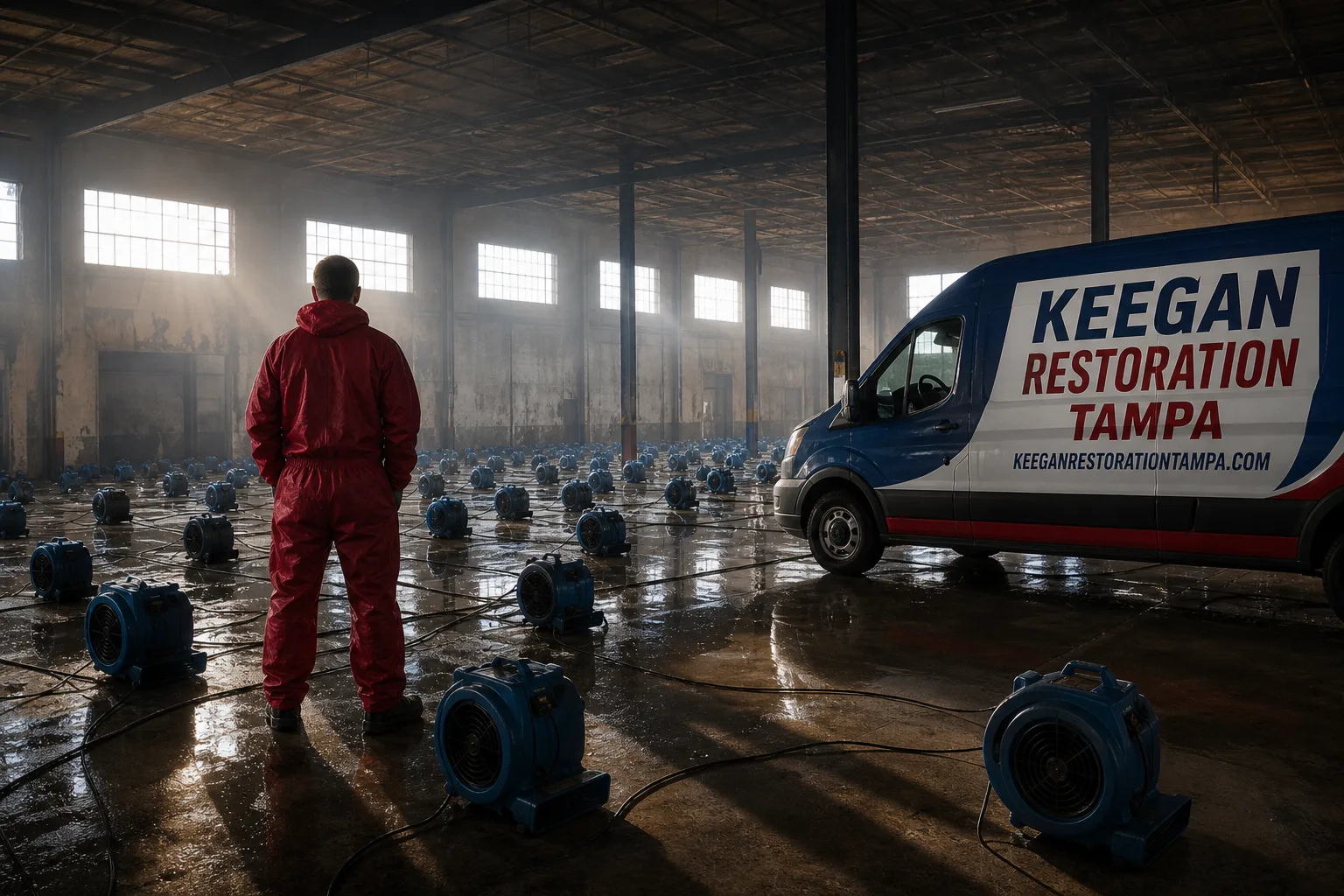
 Sewage cleanup
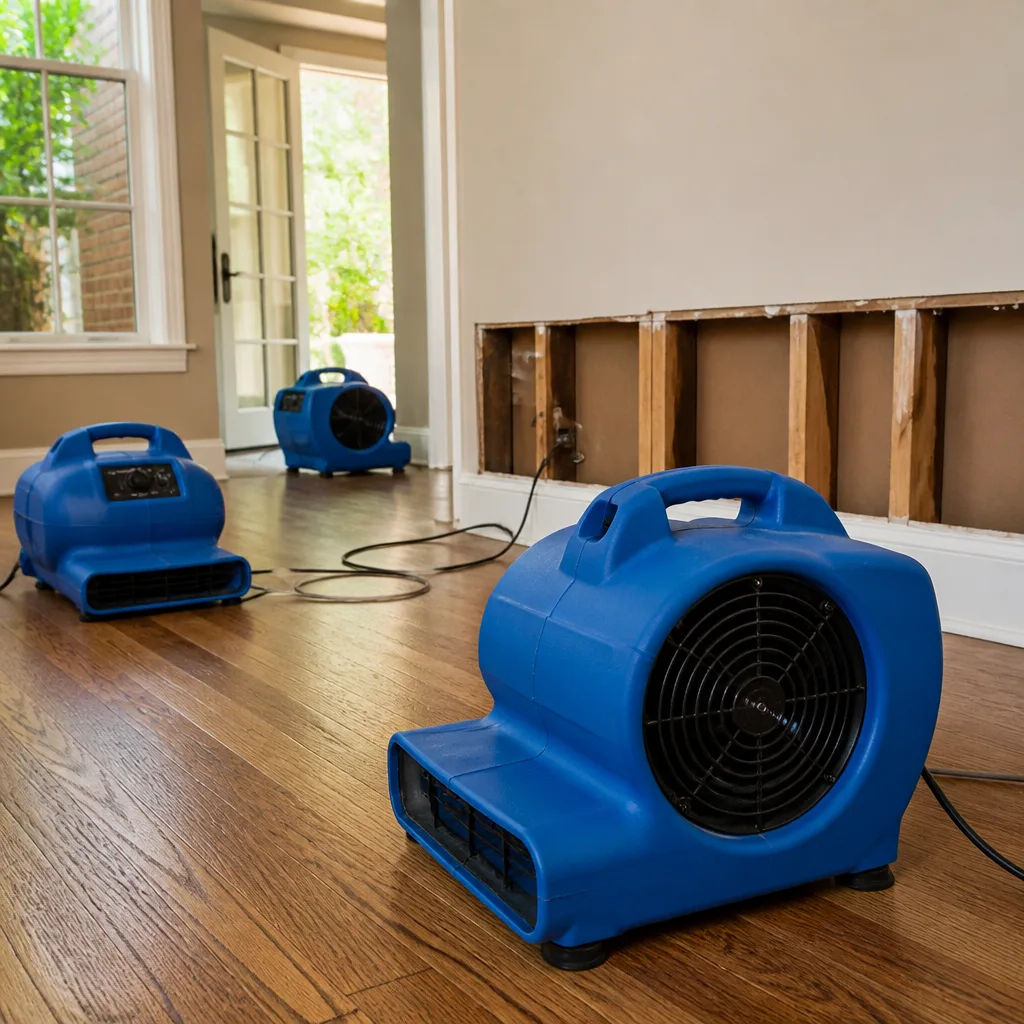 Water damage drying
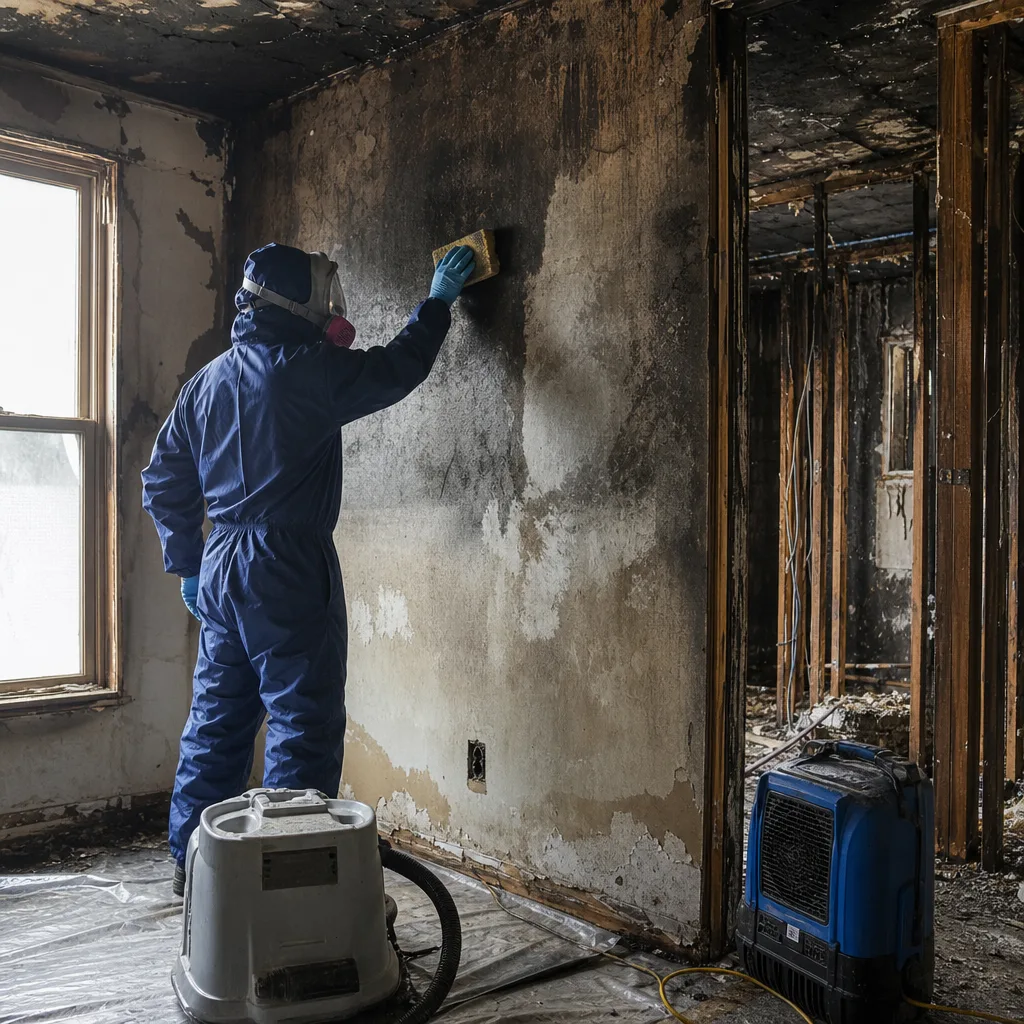
 Fire & smoke cleanup
 Mold remediation
 Storm response
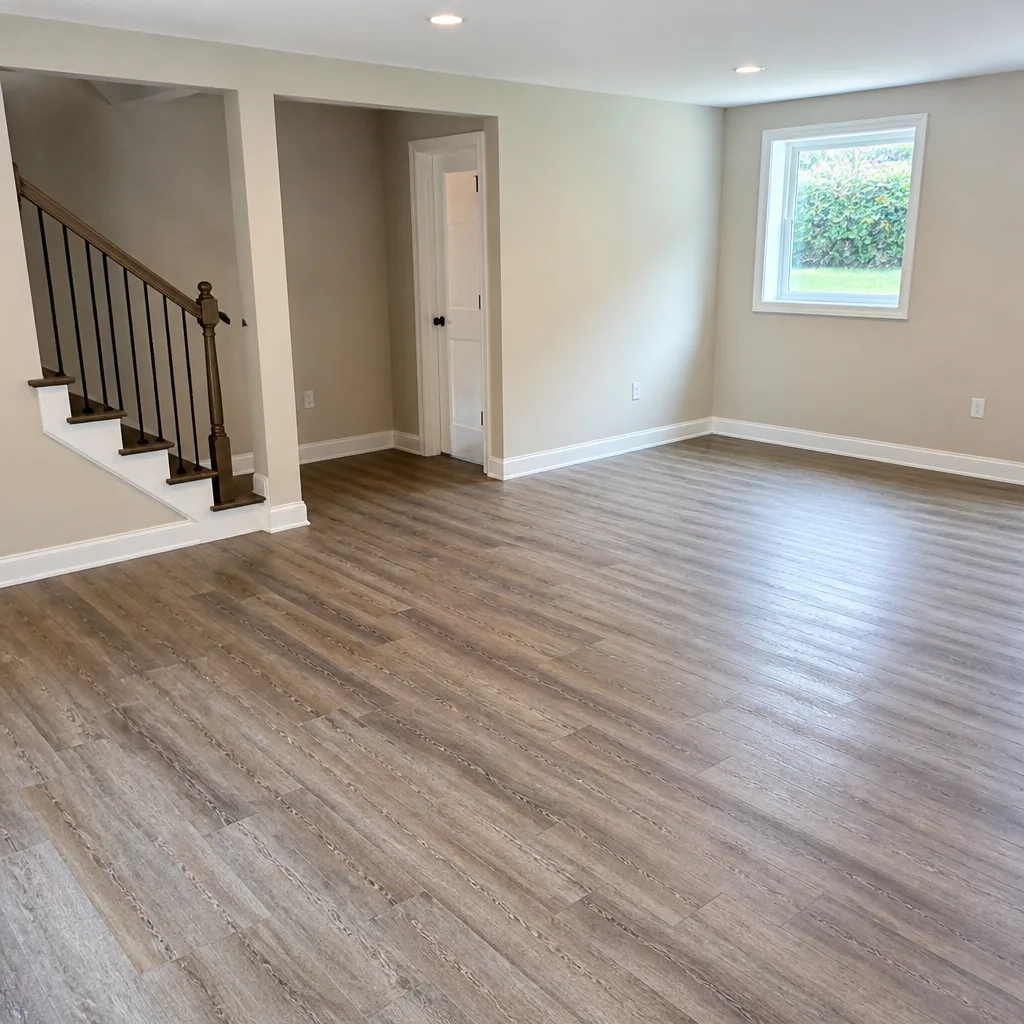
 Reconstruction
Free visual inspection and a written scope of work before any mitigation begins - photos, moisture readings, and drying logs go in your claim file
The scope we write is the scope we bill. Anything new gets shown to you, in writing, before we touch it.
Get your free estimateRestoration work we handle
See the difference
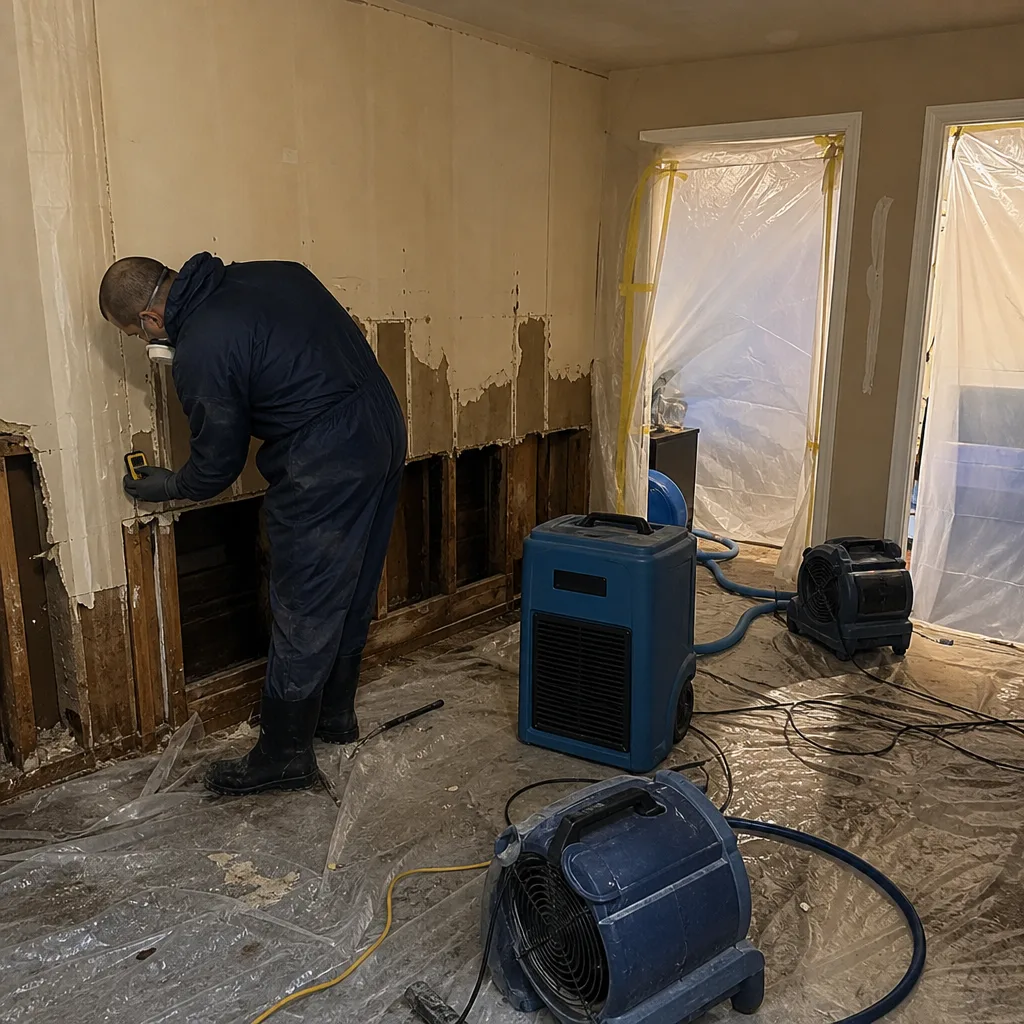 Before
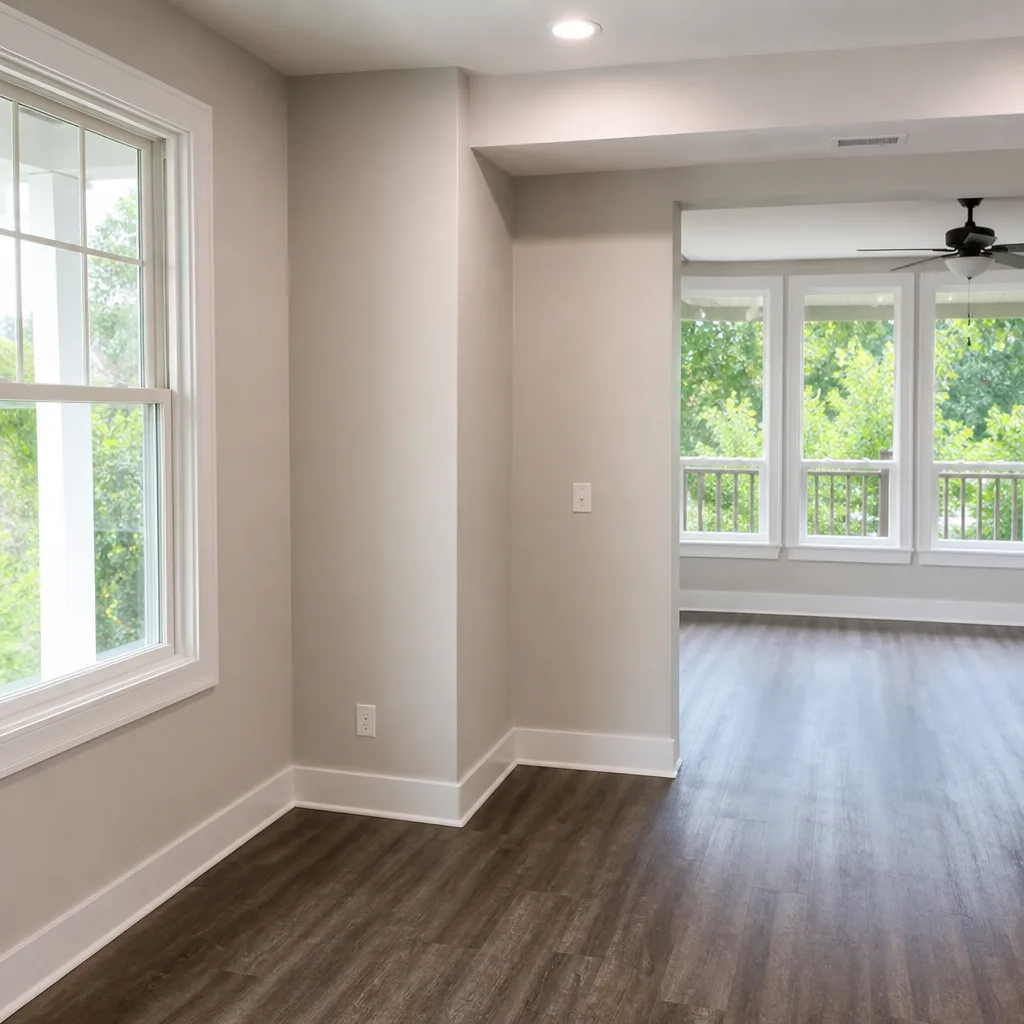
 After
After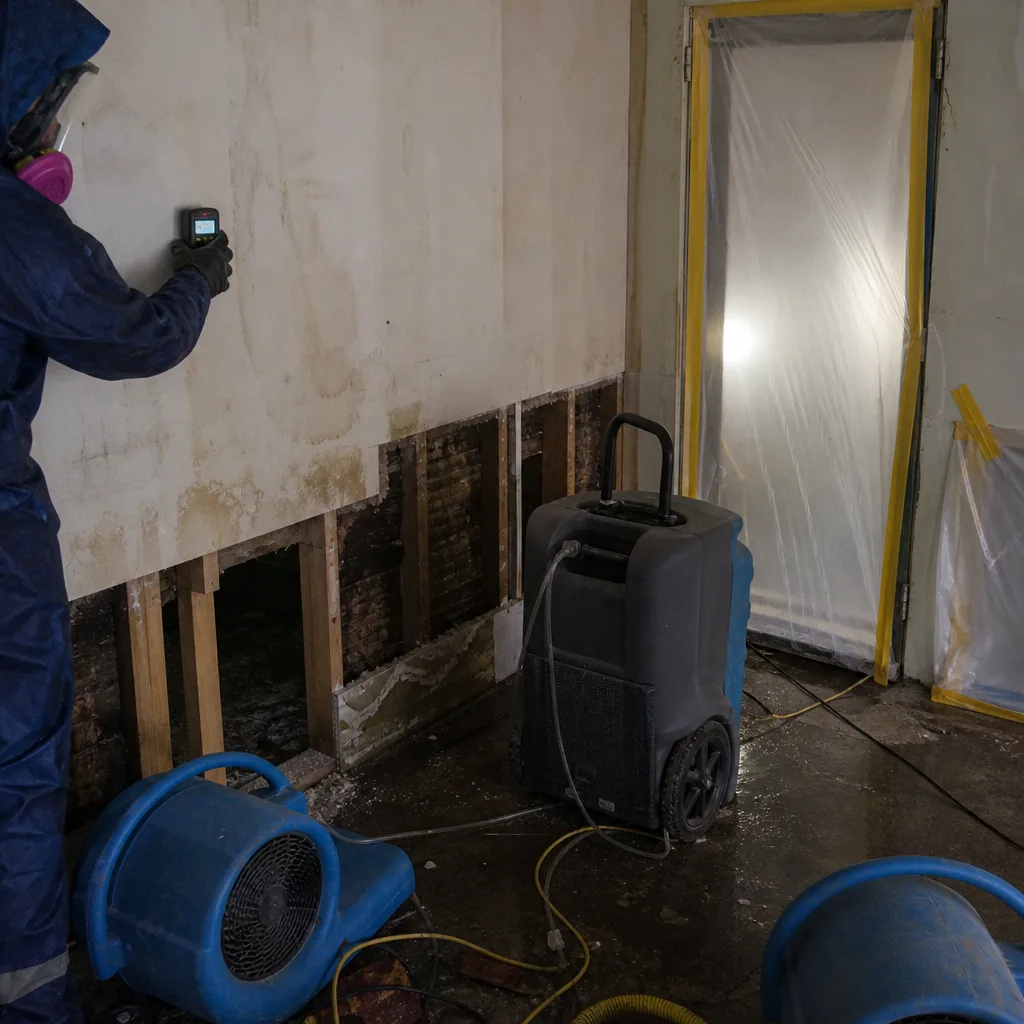 Before
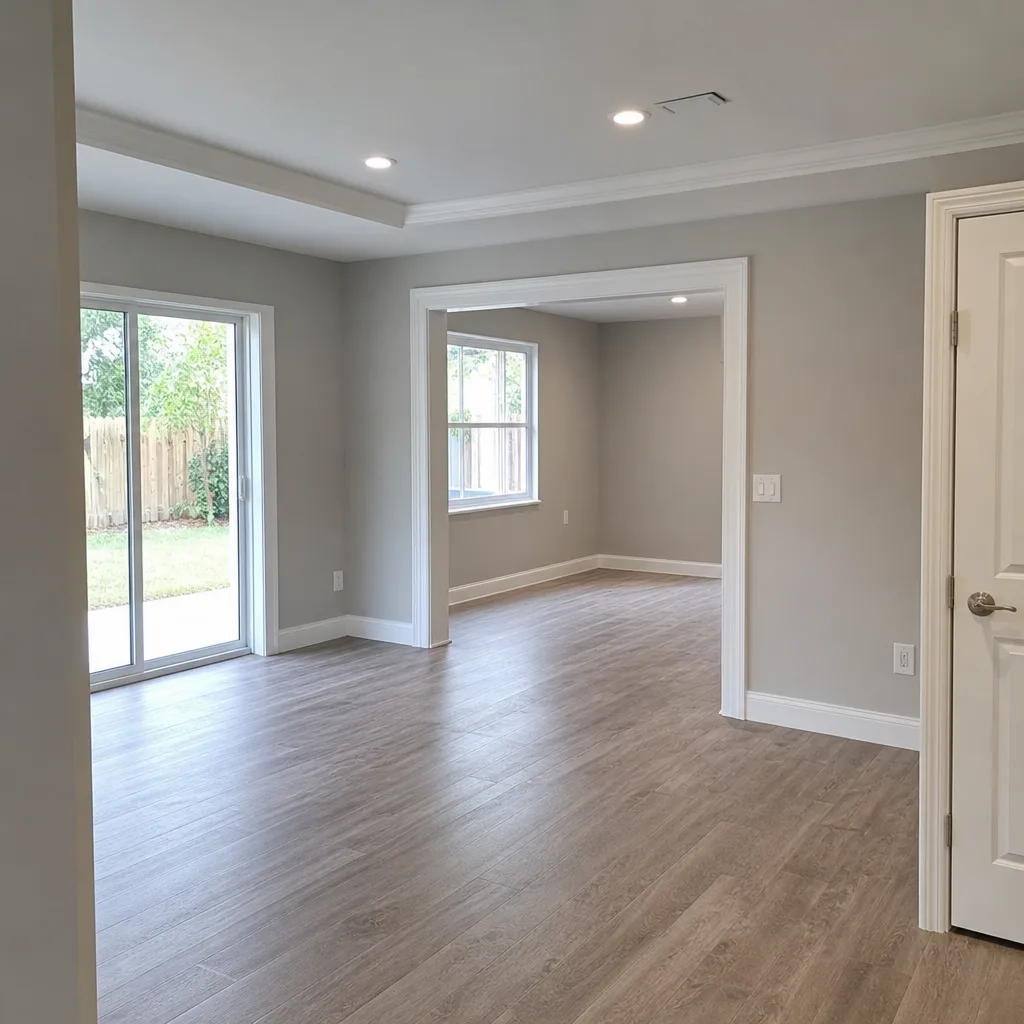
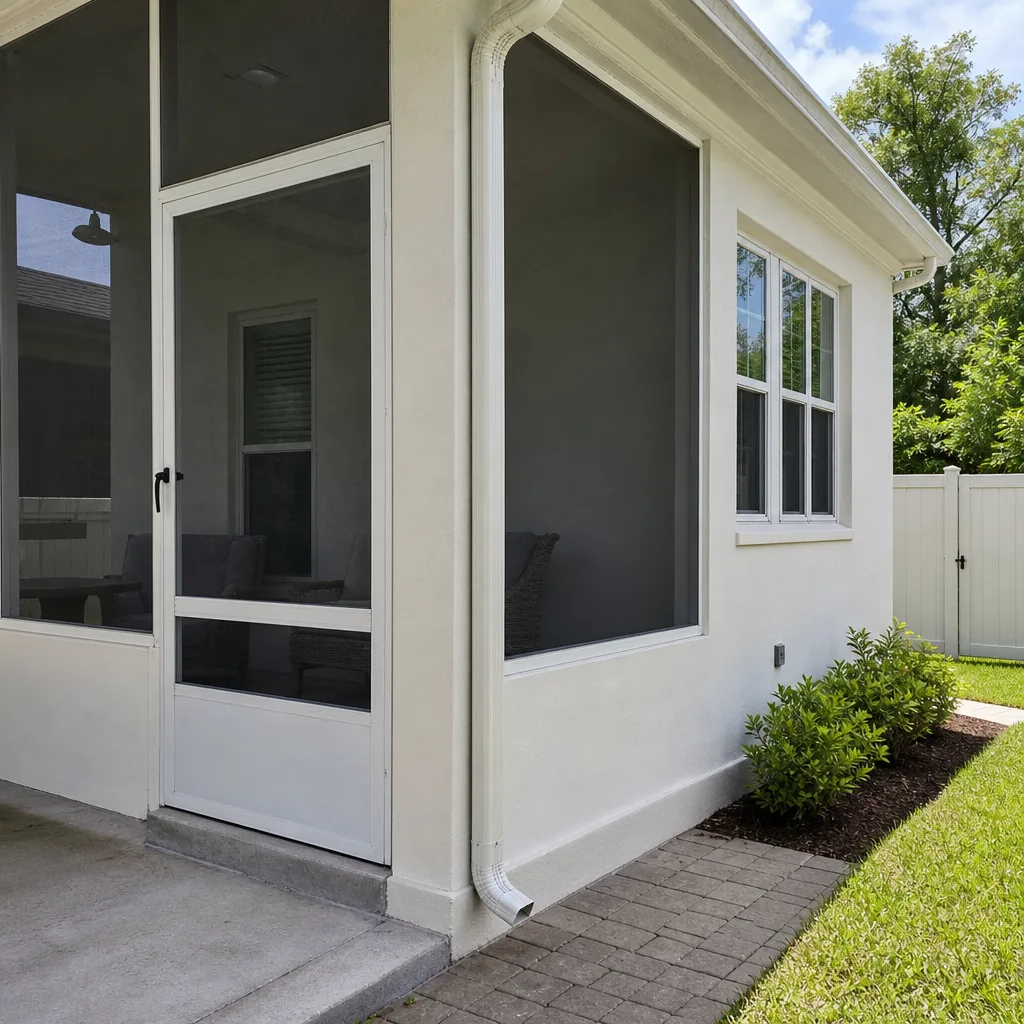 After
After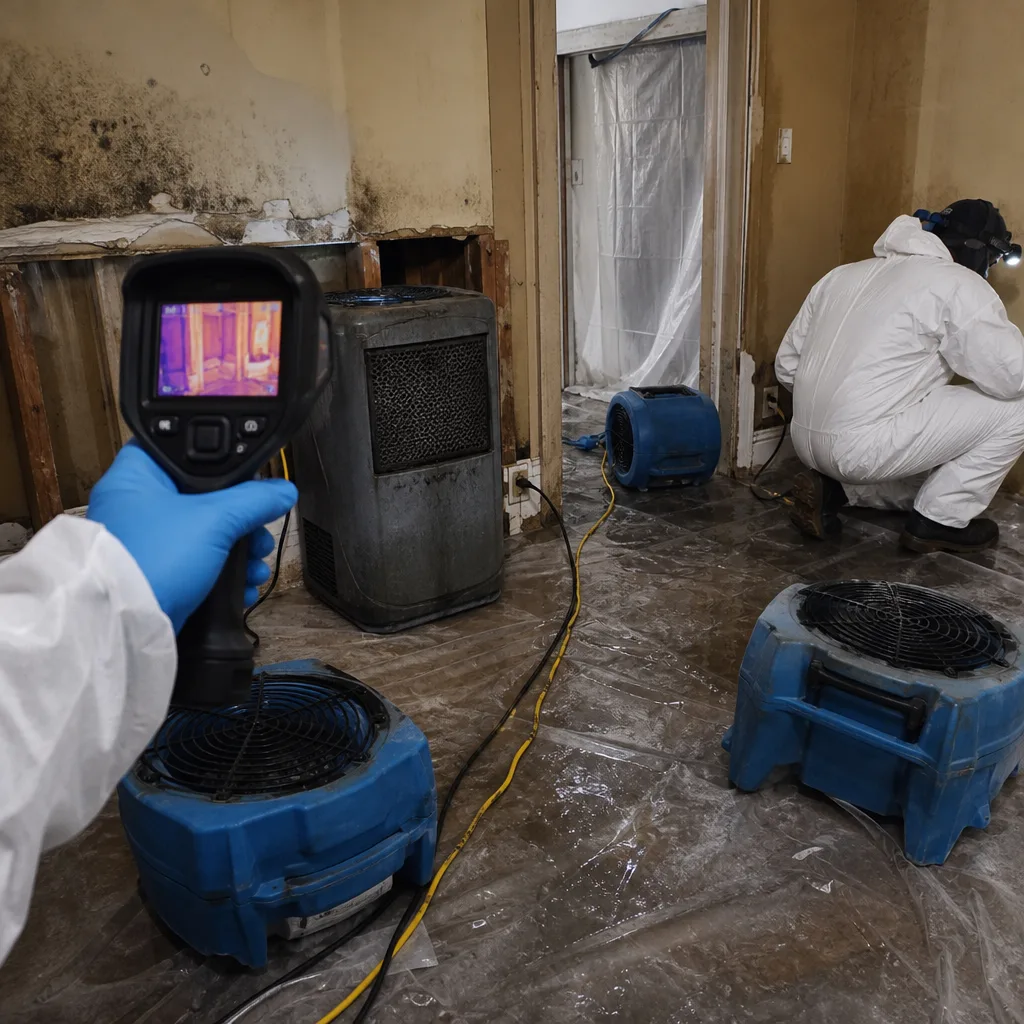 Before
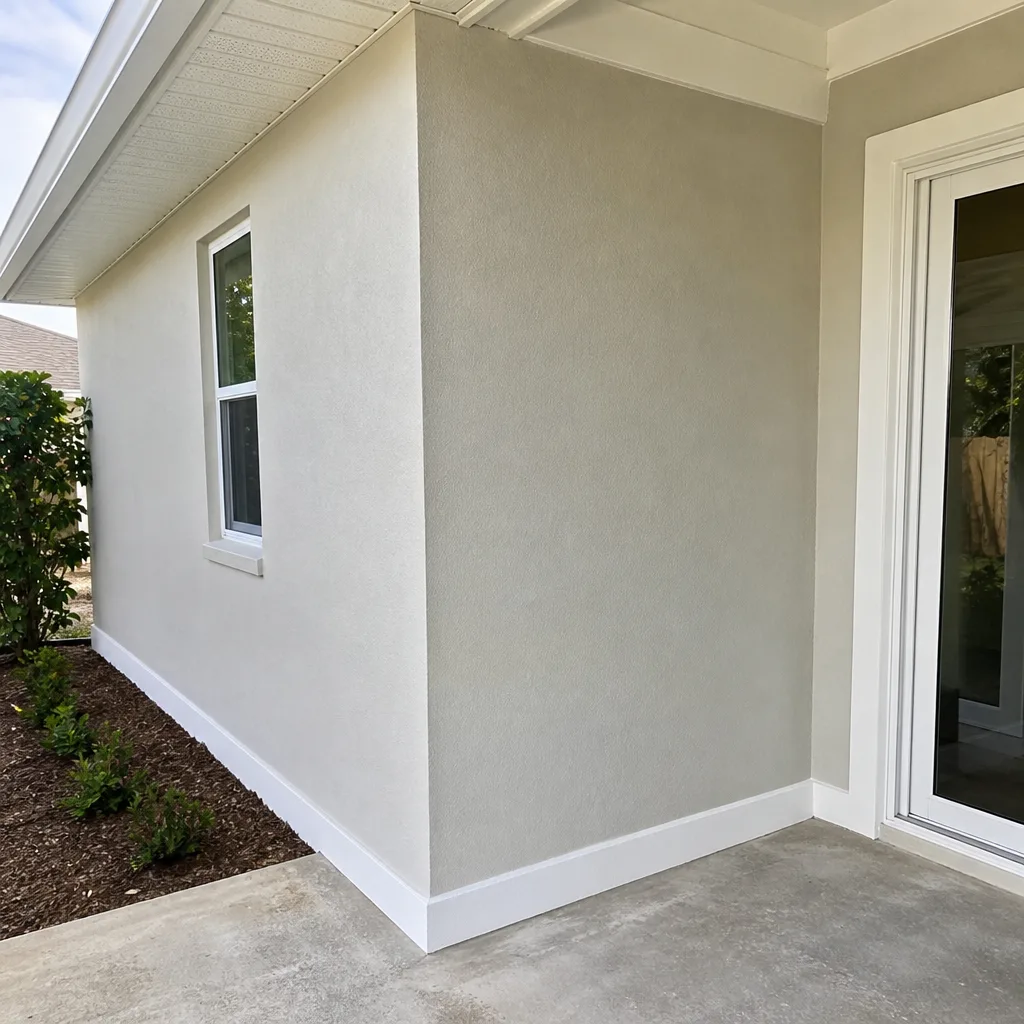 After
AfterHow Much Does Sewage Cleanup Cost in Tampa?
Sewage cleanup in Tampa typically costs between $2,500 and $7,500 for a standard Category 3 water intrusion affecting one to two rooms. Most homeowners we work with across Hillsborough County pay around $4,200 for a complete job that includes extraction, disposal of contaminated materials, antimicrobial treatment, structural drying, and clearance verification. Small contained spills can run as low as $800, while a full crawlspace or multi-room backup can exceed $15,000.
These numbers reflect what we see on actual jobs in Tampa neighborhoods like Seminole Heights, Carrollwood, Westchase, and South Tampa. They are not national averages pulled from a generic database. Tampa’s high water table, older housing stock in areas like Hyde Park and Tampa Heights, and the frequency of summer storms all factor into what you’ll actually pay here. If you want an exact number for your situation, call (850) 367-1316 and we’ll put a written estimate in your hands before any work starts.
Sewage Cleanup Cost Breakdown (2026)
Here’s what we charge for sewage cleanup work in Tampa, broken down by line item. Every job we run follows The Garrison Standard: the written price you approve is the price you pay. It doesn’t move at the door.
| Service Line Item | Tampa Price Range | What It Includes |
|---|---|---|
| Emergency call-out and assessment | $0 – $150 | Technician dispatch, moisture mapping, scope of loss documentation. Free with contracted work. |
| Containment and safety setup | $200 – $600 | Plastic sheeting, negative air pressure, PPE protocols, isolating affected zones. |
| Sewage extraction and disposal | $500 – $2,000 | Pumping out standing water and sewage, bagging and hauling contaminated debris per Florida DEP guidelines. |
| Removal of contaminated materials | $800 – $4,500 | Cutting and disposing of drywall, baseboards, carpet, padding, and insulation that absorbed Category 3 water. |
| Antimicrobial and sanitization treatment | $300 – $1,200 | EPA-registered antimicrobial application to all affected structural surfaces. |
| Structural drying and dehumidification | $500 – $2,500 | Dri-Eaz and Phoenix air movers, desiccant dehumidifiers, and daily moisture readings until dry. |
| Rebuild and restoration | $1,000 – $10,000+ | Replacing drywall, flooring, trim, and paint to bring the space back to pre-loss condition. |
The biggest driver of cost in Tampa is how far the contaminated water traveled before it was caught. A toilet overflow caught within an hour in a tile bathroom might need extraction and sanitization only, landing around $1,200 to $2,500. A main line backup that sat overnight and soaked through flooring, baseboards, and lower drywall in two rooms will run $5,000 to $9,000 by the time rebuild is complete. Crawlspace contamination under raised homes in areas like Palma Ceia and Davis Islands adds real cost because access is tighter and the contamination often goes unnoticed longer.
What Affects Sewage Cleanup Pricing in Tampa
Six factors move the price more than anything else. Here’s what we look at when we build a scope of loss and put numbers on paper.
- How long the sewage sat before discovery. Sewage that sits for hours or days wicks into drywall, subfloor, and framing. The longer it sat, the more material comes out, and the higher the disposal and rebuild cost. Homes in Tampa neighborhoods with older cast-iron drain lines, like Seminole Heights and Riverside Heights, tend to have slower-to-notice backups because the failure happens underground.
- Whether the water migrated under flooring. Laminate, engineered hardwood, and carpet all trap sewage differently. Tile on concrete slab, common in South Tampa ranches, often needs less flooring removal than vinyl plank over wood subfloor. Once sewage gets under flooring, the flooring comes out, period.
- How many rooms and what kind of materials are affected. Drywall wicks moisture fast. Plaster, found in many pre-1950 homes in Hyde Park and Tampa Heights, absorbs more slowly but takes longer to dry. More affected square footage means more containment, more drying equipment, and more rebuild.
- Access to the contaminated area. Crawlspaces, second-floor bathrooms, and tight utility rooms mean slower extraction, more labor hours, and more containment. Tampa’s older bungalow stock often has less than 24 inches of crawlspace clearance, which requires different equipment and technique.
- Type of sewage event. A clean-water toilet overflow costs less to remediate than a main sewer line backup with solid waste. A storm-driven lift station failure that pushes municipal sewage up through floor drains involves a larger contamination zone and more aggressive treatment protocols.
- Insurance involvement and documentation requirements. If you’re filing a claim, the documentation standard matters. We format every job record to support your insurance claim, including a scope of loss, photo log, daily drying readings, and equipment inventory. The care taken here doesn’t change price, but it does change whether your claim gets approved without pushback.
How to Save on Sewage Cleanup
Sewage cleanup is not the place to cut corners, but there are ways to keep costs from spiraling without compromising the work.
- Act fast. The single biggest cost driver in Tampa is time. A sewage event caught in the first hour is often a $1,500 job. A sewage event discovered the next morning is often a $7,000 job. Call us the moment you see standing water, a backed-up drain, or smell sewage. A live person answers at (850) 367-1316 any hour, any day.
- Stop using water immediately. Do not flush toilets, run the dishwasher, or take a shower once you suspect a backup. Every flush pushes more contaminated water into your home.
- Know what your insurance covers. Many Tampa homeowners’ policies cover sewage backup only with a specific rider. If you don’t know whether you have it, ask your agent before the event. If you have the rider, our documentation standard helps the claim move faster.
- Get a written scope before work starts. Never accept a verbal estimate on a sewage job. The Garrison Standard means the price is in writing before anything begins. If a contractor won’t put the price on paper, walk away.
- Ask about the guarantee. Cheap contractors rarely offer written warranties on sewage remediation because the work often fails. We back every repair with the 365-Day Done Right Promise. If it fails within a year, we return and make it right at no charge. A free second visit is included if the repair fails within the guarantee period.
Is Sewage Cleanup Covered by Insurance in Tampa?
It depends on your policy and the cause of the event. Standard homeowners insurance in Florida typically covers sudden, accidental water damage, but sewage backup is often excluded unless you purchased a specific backup rider. That rider adds roughly $50 to $150 per year to your premium and usually covers $5,000 to $25,000 in damage.
One thing we’ve learned working in Tampa’s insurance-heavy storm seasons: documentation is what gets claims approved. Every job we run includes a scope of loss, photo documentation, hourly drying logs, and a final clearance report, all formatted to match what adjusters expect. We’ve seen too many homeowners struggle with claims because a contractor handed them a one-page invoice with no supporting documentation. We don’t work that way. That documentation is part of The Garrison Standard on every sewage cleanup and water damage restoration job we run.
If you’re already looking at water in your home, start with a call to Sewage Cleanup in Tampa to understand what you’re dealing with. We’ll walk you through what your policy likely covers and what documentation you’ll need either way.
How the Sewage Cleanup Process Works
Here’s the order of operations we follow on every sewage job in Tampa, from the first call to the final walkthrough. The process is the same whether you’re in New Tampa, Ybor City, or a bungalow in Temple Terrace.
Step 1: Call and Assessment
You call (850) 367-1316. A live person answers. We ask a few questions about what you’re seeing, what you smelled, and when it started. Then we dispatch a background-checked, uniformed technician to your home inside the window we gave you on the phone.
Step 2: On-Site Scope of Loss
The technician assesses the affected area, identifies the category of water, maps where it has traveled, and documents everything with photos and readings. This is where the scope of loss comes together, the written document that defines what gets done and what it costs. You get the price in writing before any work begins.
Step 3: Containment
We isolate the contaminated zone with plastic sheeting, create negative air pressure where needed, and set up a decontamination path so technicians don’t track sewage through your house. This step is non-negotiable on Category 3 jobs.
Step 4: Extraction and Removal
Standing sewage comes out first using professional extraction equipment. Then contaminated materials like carpet, padding, drywall, and baseboards are cut, bagged, and removed following Florida DEP disposal requirements. Anything that absorbed Category 3 water comes out unless it can be properly sanitized, which for porous materials means it almost always comes out.
Step 5: Sanitization
Every remaining structural surface gets treated with an EPA-registered antimicrobial. This step is about killing pathogens, not just masking odor. Sewage contains bacteria, viruses, and parasites that survive on surfaces long after the water is gone.
Step 6: Structural Drying
We set air movers and dehumidifiers from Dri-Eaz, Phoenix, XPOWER, B-Air, and Injectidry, the professional-grade brands used in IICRC-standard restoration work. We take daily moisture readings using the same psychrometric principles the IICRC, RIA, and IFA standards are built on, and we adjust equipment until the structure is actually dry, not just dry to the touch.
Step 7: Rebuild and Clearance
Once the structure passes moisture verification, we replace what was removed: drywall, flooring, trim, and paint. Then we run a final clearance verification and walk the space with you. You sign off only when the job meets The Garrison Standard and the written scope we agreed to at the start.
Every one of these steps is documented. The photos, readings, and notes go into your file, formatted to support your insurance claim. That’s how we work on every job, no exceptions.
FAQs – Sewage Cleanup Cost
How much does sewage cleanup cost per square foot in Tampa?
Expect to pay $15 to $30 per square foot for full sewage remediation in Tampa when you include extraction, removal, sanitization, drying, and rebuild. A 200-square-foot bathroom affected by a toilet overflow usually lands around $3,000 to $6,000. The square-foot price drops slightly on larger jobs because fixed costs like dispatch and containment spread across more area. Call (850) 367-1316 for a written estimate specific to your home.
Is it cheaper to repair or replace flooring after sewage damage?
Replacement is almost always the answer when sewage is involved. Carpet and padding exposed to Category 3 water costs $4 to $8 per square foot to replace in Tampa, and attempting to clean and reinstall it is a false economy because the contamination standard for salvageable materials almost never applies to sewage-soaked porous flooring. Tile can sometimes be saved if the sewage didn’t penetrate the grout and subfloor, which runs $1 to $3 per square foot for cleaning and regrouting versus $8 to $15 per square foot for full tile replacement.
How fast can you get to my house for a sewage emergency in Tampa?
We dispatch same-day on every sewage call in Tampa, and a live person answers the phone 24 hours a day, 7 days a week. Sewage waits for no one, and neither do we. Call (850) 367-1316 and we’ll give you a window on the phone and show up inside it.
Does the price include all equipment and disposal fees?
Yes. The written price we give you before work starts includes extraction equipment, drying gear, antimicrobials, PPE, labor, and disposal of contaminated materials following Florida DEP requirements. There is no equipment rental line item added later and no disposal fee tacked onto the final invoice. What we put in writing is what you pay.
What happens if the cleanup doesn’t hold up?
Every sewage cleanup job we run is backed by the 365-Day Done Right Promise. If the work fails within one year, whether it’s moisture returning, odor resurfacing, or a material issue, we return and make it right at no charge. The guarantee is in writing, and it includes a free second visit if the repair fails within the guarantee period. That’s The Garrison Standard working the way it’s supposed to: stand behind the work for a full year.
Get a Written Estimate for Sewage Cleanup in Tampa
Sewage cleanup is not a project you want to price-shop after the fact. The damage compounds by the hour, and the cost of waiting is real. Call (850) 367-1316 now, tell us what you’re seeing, and we’ll give you a straight answer about what it’ll take to fix it. We’ll send a background-checked, uniformed technician to your home inside the window we give you, and you’ll get the written price before any work begins.
No pressure. No moving numbers. No surprises at the door. Just a written scope of loss, professional equipment, a documented job, and a one-year written guarantee on every repair. That’s the way sewage cleanup should work in Tampa, and it’s the way Keegan Water Damage Restoration has run every job since we became part of the Garrison Partners family in 2005.
Pricing reflects the Tampa market as of 2026. Keegan Restoration Tampa offers free estimates – call (850) 367-1316.
Written by Shane Pruitt, Owner at Keegan Restoration Tampa, serving the Tampa area since 2005.
What Our Customers Say
"Overall great. One technician no-showed on day two but the lead covered it and they finished on schedule."
- Wes K."Basement water from a bad sump pump. Extracted, dried, and treated for mold. The smell is gone."
- Perry J."Quiet, focused crew. Everyone had a job and they did it."
- Alice M.