
Last updated October 16, 2026
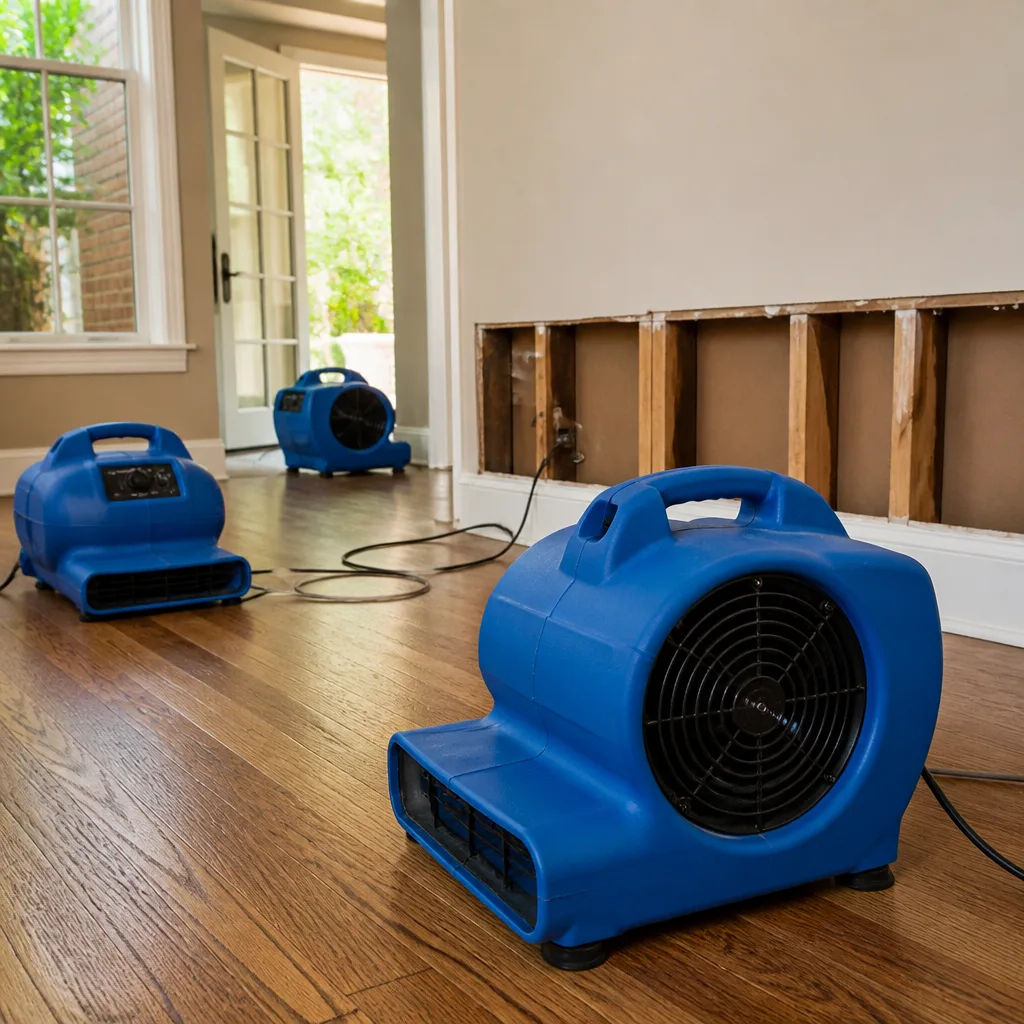 Water damage drying
 Fire & smoke cleanup
 Mold remediation
 Storm response
 Sewage cleanup
 Reconstruction
Free visual inspection and a written scope of work before any mitigation begins - photos, moisture readings, and drying logs go in your claim file
The scope we write is the scope we bill. Anything new gets shown to you, in writing, before we touch it.
Get your free estimateDamage Restoration Warning Signs: A Tampa Homeowner’s Reference Guide
The single most expensive mistake Tampa homeowners make after water damage isn’t failing to call a contractor. It’s calling one, accepting a surface-dry result, and never verifying that moisture readings inside the wall cavity returned to baseline before the drywall went back up. That hidden moisture is what turns a $900 drying job into a $14,000 mold remediation and rebuild eighteen months later. This guide trains you to read the subtle physical signals a professional sees immediately: the warped baseboard, the grout line that darkened in a pattern, the musty smell that only appears when the AC kicks on. By the time you finish, you’ll know which signs mean dry it now, which mean document and monitor, and which mean this is a 72-hour emergency before you call anyone in Keegan Restoration Tampa home.
Restoration work we handle
Quick Answer
Water damage warning signs in a Tampa home start small: a baseboard that has pulled slightly from the wall, a grout line that stays dark after the shower dries, or a faint earthy smell when the HVAC cycles. Fire damage warning signs include smoke residue that reappears on walls weeks after cleaning and a persistent acrid odor inside cabinets. Mold warning signs are often invisible at first: a musty smell with no visible growth, increased allergy symptoms in one specific room, or paint that bubbles days after it dries. If you can see, smell, or feel a persistent change in a specific area, document it and get a professional assessment before it spreads.
Table of Contents
- Why Tampa Homes Fail Differently
- Water Damage Signs: Room by Room
- Active Water Intrusion vs. Historic Stains
- The Odor Triangle: Mold, Mildew, and Sewage
- Signs Your Previous Restoration Was Incomplete
- Fire Damage Warning Signs That Surface Later
- The Tampa Triage Decision Tree: 72-Hour Emergency vs. Scheduled Estimate
- Common Mistakes to Avoid
- When to Call a Professional
- Frequently Asked Questions
- The Bottom Line
Why Tampa Homes Fail Differently
Tampa is not a generic Florida market. It has a specific combination of climate, housing stock, and construction history that produces damage patterns you won’t see in Orlando or Miami. Understanding these local factors is the first step in reading your home’s warning signs accurately.
High humidity is the baseline, not the exception. Tampa’s average relative humidity runs between 70% and 80% for most of the year. This means building materials never truly dry on their own. A wall cavity that got wet during a summer storm can stay above 20% moisture content for months without intervention. In drier climates, that same leak might dry in days. In Tampa, it becomes a mold incubation chamber.
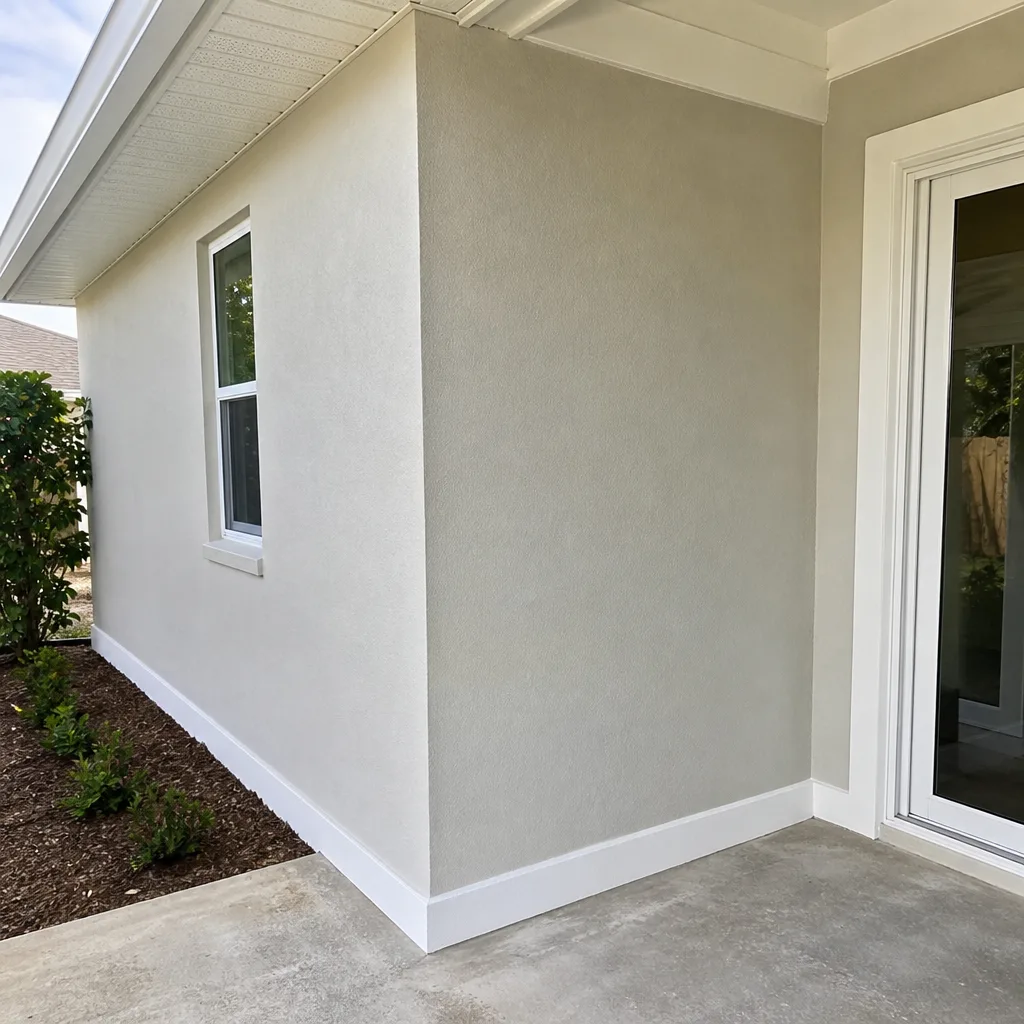
Stucco and block construction behaves differently than wood frame. Many Tampa homes built before 1990 are concrete block with stucco exterior. Water that gets behind stucco does not present the same way it does on vinyl siding. You won’t see warped siding or soft spots. Instead, you’ll see efflorescence: a white, chalky mineral deposit that forms when water moves through the stucco and evaporates, leaving salts behind. Efflorescence on a Tampa stucco wall means water has been traveling through that wall for a while, even if the interior drywall looks fine.
AC systems mask and spread moisture problems. Tampa homes run air conditioning roughly nine months out of the year. That constant airflow does two things. First, it can carry mold spores from a damp wall cavity into every room of the house. Second, it can mask musty odors by keeping air circulating. When a homeowner says “I only smell it when the AC turns off,” that’s a classic sign of hidden moisture somewhere in the duct path or a wall adjacent to the return.
Hurricane season creates multi-event damage. A Tampa home might take water from a summer storm, lose power for three days, then take more water from the next system before the first event fully dried. This layered damage confuses homeowners because the original signs get overwritten. By the time you notice the baseboard warping, you’re not looking at one leak. You’re looking at three, stacked on top of each other.
Water Damage Signs: Room by Room
The early warning signs of water damage in Tampa vary by room because each room has different water sources and different materials. Here’s what we train our technicians to look for when they walk a home for the first time.
Bathrooms
The most common leak sources in Tampa bathrooms are failed wax rings under toilets, cracked shower pans, and failed grout or caulk lines. The early warning signs are subtle:
- Dark grout lines that stay dark. Grout darkens when wet, but it should lighten within an hour or two after the shower dries. If a grout line stays dark 24 hours after the last shower, water is wicking from behind the tile, not from the surface.
- Caulk that has pulled away from the tub or shower base. Caulk should be continuous and adhered to both surfaces. When it separates from the tile or the tub, water has been getting behind it long enough to break the bond.
- Baseboards at the toilet that show a slight bulge. A failed wax ring leaks a small amount of water with every flush. That water runs along the subfloor and wicks up into the baseboard. The bulge is often less than an eighth of an inch and easy to miss if you’re not looking for it.
- A bathroom that smells musty after a shower, even with the vent fan running. This usually means moisture is trapped in the wall or floor assembly, not just in the air.
Kitchens
Kitchen leaks in Tampa split between two categories: supply line leaks and drain line leaks. Supply lines are under constant pressure, which means they fail suddenly and obviously. Drain lines fail slowly and produce more subtle signs:
- Cabinet floors that show water staining or a slight warp under the sink. A drain leak drips slowly for weeks before it’s noticed. The first sign is usually a warped cabinet floor or a dark stain on the cabinet’s particle board.
- A dishwasher that leaves a small puddle at the base or shows rust on the door interior. Dishwashers in Tampa fail more often than in most markets because hard water accelerates pump wear. Any water outside the dishwasher itself is a sign of a seal or drain line issue.
- Refrigerator water lines that show green corrosion at the connection. Copper lines corrode faster in Tampa’s humidity. Corrosion at the fitting means the line has been seeping or is about to fail.
Living Areas and Bedrooms
Water in living areas usually comes from above: roof leaks, AC condensate lines, or plumbing in the walls. The signs are often on the ceiling or upper walls:
- Ceiling stains that have a yellow or brown tint. A fresh water stain is typically darker at the center and lighter at the edges. A yellow tint means the water sat for a while and has already started to oxidize building materials.
- Nail pops along walls or ceilings that form in a pattern. When drywall gets wet, it expands slightly. That expansion pushes drywall nails or screws out, creating small round bumps. A single nail pop is normal settling. A pattern of nail pops along one wall or ceiling section means that section got wet.
- Paint that is peeling or bubbling in a defined area rather than uniformly. Uniform peeling is a paint failure. Peeling in one defined area with a boundary line means moisture is coming through that specific spot.
Garages and Laundry Rooms
These spaces are where Tampa homeowners often miss the earliest warning signs because they’re not in them daily:
- Efflorescence on the interior block wall of the garage. A white chalky deposit on block or brick means water is moving through that wall. Even if the floor is dry, the wall itself is wicking moisture.
- A laundry room floor that flexes or feels soft around the washer. Washing machine supply hoses are a leading cause of slow interior leaks in Tampa. A soft spot in the floor near the washer means water has been getting under the flooring for a while.
- Water heater drip pan that shows rust or standing water. Water heaters in Tampa typically last 8 to 12 years because of the water chemistry. A drip pan with standing water means the tank is leaking, and replacement is usually the fix.
Active Water Intrusion vs. Historic Stains
One of the most common questions Tampa homeowners ask is whether a stain they found is new or old. The distinction matters enormously. An old stain that has been dry for years requires no action beyond cosmetic repair. An active stain means water is still moving through the building assembly right now.
Here’s how a professional distinguishes between the two without specialized equipment:
Visual cues:
- Color. An active stain is usually darker, sometimes almost wet-looking. A historic stain has faded to a lighter brown, yellow, or gray. If the stain has a defined dark ring at the edge, it’s likely still active: the ring is where water is actively wicking outward.
- Shape. Active stains grow. If you see a stain with irregular, finger-like extensions at the edges, water is still spreading. A historic stain has fixed boundaries and often shows a slight inward curve where the material dried and contracted.
- Surface texture. Active moisture often causes paint to swell slightly, creating a visible texture difference. You can sometimes see this as a slight sheen difference where the paint has absorbed moisture. Historic stains are typically flat and the same texture as the surrounding surface.
Tactile cues (tests you can do safely):
- Press test. Press your finger firmly against the stained area. If the drywall feels cooler than the surrounding wall, it is actively wicking moisture. Moisture evaporating from a surface lowers its temperature. A dry historic stain will feel the same temperature as the surrounding wall.
- Tap test. Tap the stained area with a knuckle. Active water intrusion often softens drywall, making the tap sound duller than the sharper tap of solid, dry drywall.
- Adhesion test. Gently press a piece of clear packing tape against the edge of the stain and pull it away. If paint flecks or surface material come with the tape, the material has been degraded by moisture and is likely still active or recently active.
The photo documentation habit
If you find a stain and you’re not sure whether it’s active, take a photo with your phone from the same spot, same angle, every day for a week. If the boundary of the stain changes even slightly, it is active. If it doesn’t, it’s likely historic. This same photo series is exactly what an insurance adjuster will want to see if you end up filing a claim.
The Odor Triangle: Mold, Mildew, and Sewage
Odor is one of the most reliable warning signs in a Tampa home, but most homeowners can’t tell the three most important smells apart. They are different problems with different response protocols, and treating one like another can make the situation worse.
Mildew: the flat, damp smell
Mildew is a surface fungus. It grows on materials that are damp but not saturated: shower curtains, window sills, the underside of a sink cabinet after a slow drip. The smell is flat, damp, and slightly earthy. It’s a “wet towel” smell. Mildew cleans up with basic surface cleaning and addressing the moisture source. It is a warning sign, not a structural problem.
Mold: the musty, sometimes sweet smell
Mold is different. Mold grows into porous materials: drywall, wood framing, carpet backing, insulation. The smell is often described as musty, but many Tampa homeowners describe it as slightly sweet or stale. The key identifier is that the smell doesn’t go away when the house airs out. You can open windows, run fans, clean surfaces, and the smell returns within hours. This persistence means mold is growing somewhere you can’t see: inside a wall cavity, under flooring, behind a cabinet. Mold requires professional Mold Remediation in Tampa – surface cleaning won’t reach it.
Sewage: the unmistakable rotten smell
Sewage odor is unmistakable once you’ve smelled it. It’s rotten, sulfury, and biological. If a bathroom or laundry room in your Tampa home smells like this even lightly, you likely have a sewer line backup or a failed wax ring that is leaking waste water into the floor or wall cavity. Sewage damage is a health hazard and a different category of restoration than clean water damage. It requires containment, disinfection, and removal of any porous material that contacted the waste water. This is not a DIY job and it’s not a “dry it out” job.
Why the distinction matters
If you smell mildew, you can often fix the source and clean the surface yourself. If you smell mold, you need to find the hidden colony and remove it to the building code standard. If you smell sewage, you need containment and disinfection before anything else. Calling a contractor who treats all three the same is how Tampa homeowners end up with recurring problems and denied insurance claims.
Signs Your Previous Restoration Was Incomplete
We get calls from Tampa homeowners who have already been through a restoration. A pipe burst, a crew came out, dryers ran, drywall was patched, and everyone signed off. Then, months later, the signs come back. Here’s what incomplete restoration looks like from the inside.
Ghost lines on repainted drywall
When drywall gets wet, it wicks moisture upward. If the wall was not dried to baseline before prime and paint, that residual moisture keeps migrating after the paint cures. The result is a ghost line: a faint discoloration that follows the original water line, visible through the new paint. It may take weeks or months to appear. If you see lines on a wall that was repaired after water damage, the original drying job was incomplete.
Paint that bubbles or peels within months
Fresh paint over a properly dried substrate should hold for years. Paint that bubbles, peels, or cracks within six months of a restoration repair means moisture was still present when the paint was applied. The paint failed because the surface was still wicking water.
Floors that flex where they were repaired
If a section of flooring was replaced after water damage and it now flexes, creaks, or feels different than the surrounding floor, the subfloor underneath was not dried to baseline before the new flooring went down. In Tampa’s humidity, a subfloor at 16% to 18% moisture content will never dry under the new flooring. It will slowly degrade and the floor will eventually fail.
Musty smell that returns in the same room
This is the most telling sign. If a room was professionally dried and restored, and the musty smell returns within a year, the original drying was incomplete or the source of water was never actually fixed. Mold regrowth is almost guaranteed. At Keegan Restoration Tampa, every job we run includes a moisture map taken with a Dri-Eaz penetrating meter and documented baseline readings before we close the wall. If the numbers don’t support closure, we keep drying.
The 365-Day Done Right Promise exists for this exact reason
The Garrison Standard exists because this industry has a reputation problem. Too many crews close the wall when the surface feels dry, not when the numbers say baseline. If a repair fails within one year, Keegan returns and makes it right at no charge. That promise is in writing on every job. If a previous contractor can’t say the same, that tells you something about how confident they are in their own work.
Fire Damage Warning Signs That Surface Later
Fire damage in Tampa presents differently than water damage, and the warning signs often show up weeks or months after the original incident. Understanding what to look for helps you catch problems before they compound.
Smoke residue reappearing on walls
After a fire, walls are cleaned and often repainted. If the original cleaning was incomplete, smoke residue wicks back through the new paint, appearing as yellow or brown staining in a pattern that follows the studs. This is called ghosting, and it means the wall cavity still holds smoke particles. The fix requires opening the wall and cleaning or replacing the insulation and framing.
Persistent acrid odor in cabinets or closets
Smoke odor penetrates porous materials. If the original restoration didn’t include thermal fogging or ozone treatment inside enclosed spaces, cabinet interiors and closet corners will retain the smell for years. The odor is distinct: acrid, sharp, almost chemical. It’s not the same as the musty smell of mold.
Wiring issues that show up months later
Heat from a fire can degrade wiring insulation even if the wire didn’t burn through. Months later, that damaged insulation can cause intermittent electrical issues: flickering lights, outlets that work sometimes, breakers that trip for no clear reason. If you had a fire in your Tampa home and now you’re having electrical quirks, it’s worth having a licensed electrician inspect the affected circuits. This is not a warning sign to ignore.
The soot that got into the ductwork
Tampa homes run their AC systems constantly after a fire because the air needs to keep moving. Soot particles from the fire get pulled into the return and distributed through the duct system. Even after the visible soot is cleaned from walls and ceilings, the ducts can keep releasing particles into the air for months. If you wipe a clean surface and it comes back gray within days, the ducts are still shedding soot. Professional Fire Damage Restoration in Tampa includes duct cleaning and HVAC assessment as part of the scope.
The Tampa Triage Decision Tree: 72-Hour Emergency vs. Scheduled Estimate
It’s 10 p.m. on a Tuesday. You just found something wrong. Do you call someone now or wait until morning? Here’s the decision tree our technicians use to help Tampa homeowners triage what they’re seeing. This is the same logic a dispatcher at any serious restoration company will run you through.
Category One: 72-Hour Emergency
These situations require professional attention within 72 hours. Every hour of delay expands the affected area and increases the final cost.
- Active water flowing into your home right now. A supply line burst, a water heater failure, a roof leak during rain. Shut off the source if you can do so safely, then call. Water spreads laterally through wall cavities and under flooring until the source stops and drying begins.
- Sewage or waste water anywhere inside the living space. This is a health hazard, not a water problem. It requires containment and disinfection. Do not attempt to clean it yourself beyond keeping people and pets out of the area.
- Standing water that has been present for more than 24 hours. In Tampa’s climate, standing water indoors becomes a mold incubation site quickly. By 24 hours, porous materials that touched the water are likely already growing mold.
- You smell mold and can’t find the source. A persistent musty smell that you cannot locate is an active hidden colony. It will not go away on its own. The longer it grows, the more material it consumes and the larger the remediation scope becomes.
Category Two: Scheduled Estimate
These situations need attention, but you can schedule a professional estimate during normal business hours without additional risk.
- A water stain that is dry and has not changed in several days of photo monitoring. This is likely a historic stain or a very slow leak. Either way, a few days of monitoring won’t meaningfully change the scope.
- Efflorescence on a garage wall that does not correspond to recent rain. This is long-term moisture migration. It needs assessment and likely repair, but not at 10 p.m.
- Grout that stays dark in one area of a shower that you don’t use daily. A slow leak in an unused bathroom is a scheduled repair, not a middle-of-the-night emergency.
- Paint bubbling in a room with no active water source or recent leak. This could be humidity-related or the residue of a past leak. Document it, monitor it, and schedule an assessment.
The thing that breaks the decision tree: uncertainty about the source
If you don’t know where the water is coming from, lean toward Category One. A hidden leak behind a wall can run for weeks without visible change, then suddenly release all at once. When in doubt, a live person answers the phone at Keegan Restoration Tampa 24/7, and a phone call costs you nothing.
Common Mistakes to Avoid
- Assuming a stain is old because it’s in an old house. Tampa homes built in the 1950s and 1960s have original plumbing that is past its service life. An old house is more likely to have an active leak, not less likely.
- Painting over a water stain without addressing the source. Paint seals the surface but not the cavity. The moisture keeps moving behind the paint, and the mold grows in the dark where you can’t see it until the paint starts bubbling months later.
- Using a fan to dry a wet wall instead of a dehumidifier and air mover combination. A fan moves air across the surface, which evaporates the surface moisture and pushes it into the room. In Tampa humidity, that moisture just re-condenses elsewhere. Professional drying with tools like Phoenix air movers and Dri-Eaz dehumidifiers addresses the water in the material, not just on it.
- Ignoring a musty smell because it only happens sometimes. If the smell is intermittent, it’s tied to something that cycles: the AC, the shower, the temperature. That cycling source is still adding moisture. The problem is not intermittent. Your ability to smell it is.
- Closing the wall after a drying job without demanding moisture readings. A professional restoration should include a moisture map showing baseline readings before closure. If your contractor can’t show you the numbers, they didn’t take them, and they’re closing the wall on a guess.
- Waiting to file an insurance claim until the damage is severe. Insurance policies cover sudden and accidental water damage. If you wait until mold develops, the claim often becomes more complicated. Photo documentation from day one makes every step of the process easier.
- Treating a sewage backup as a standard water job. Sewage requires containment, disinfection, and material removal. A crew that shows up with fans and dehumidifiers for a sewage backup is not running the right protocol.
When to Call a Professional
Call a professional when you have a persistent sign that doesn’t resolve after addressing the obvious source, when you have active water you can’t fully stop, when you smell mold and can’t find it, or when you’ve had a previous restoration and the signs have returned. The pattern is consistent: the earlier you bring in someone who runs to a written standard, the smaller the final scope and the lower the cost. Keegan Restoration Tampa offers free estimates in Tampa. Call (850) 367-1316 and a live person will answer, any hour, any day.
Frequently Asked Questions
The earliest signs are a baseboard that has pulled slightly from the wall, a grout line that stays dark long after the shower dried, a faint musty smell in one specific room, or a ceiling stain with a defined dark ring at the edge. These signs mean water has been present for at least several days. Call (850) 367-1316 and we’ll help you determine whether it’s an active problem.
A new or active stain is typically darker with irregular, finger-like edges that spread, and the affected drywall feels cooler than the surrounding wall. An old stain is lighter, has fixed boundaries, and feels the same temperature as the wall around it. Photo monitoring over seven days will confirm whether the stain is growing.
Hidden mold produces a persistent musty, slightly sweet smell that does not go away when the house is aired out. The smell returns within hours of closing windows and doors. This persistence, more than the specific scent, is the reliable indicator of a hidden colony. Surface cleaning won’t fix it because the colony is inside a wall or floor cavity.
In Tampa’s heat and humidity, mold can begin colonizing wet porous materials within 24 to 48 hours. Drywall, carpet backing, and insulation that have been wet for over 48 hours often show visible growth or detectable odor by day three. This is why active water intrusion is a 72-hour emergency here, not a next-week job.
A musty smell in one room is not a middle-of-the-night job unless it’s accompanied by active water or visible sewage. It is, however, a sign that should be investigated within days. The colony is likely growing in a wall cavity or under flooring, and every week of delay expands the eventual remediation scope. Schedule a free estimate.
Most homeowner policies cover sudden and accidental water damage, not gradual damage that occurred over time. If you document signs when you first notice them and act promptly, your claim is stronger. We document every job with moisture readings, photos, and a written scope formatted to support your insurance claim, and we coordinate directly with adjusters. For more guides & resources, visit our blog.
The Bottom Line
Tampa homes fail in specific, predictable ways, and the warning signs are readable if you know what you’re looking for. A grout line that stays dark, a baseboard that pulls away, a smell that returns when the AC cycles off: these are not quirks. They’re data. The professional standard is to read that data with moisture readings and a written scope, to dry to baseline before closing any wall, and to stand behind the result in writing. That’s what The Garrison Standard means, and it’s what we do on every Water Damage Restoration in Tampa job. If you’re seeing signs, document them now and call us. A live person answers, any hour. (850) 367-1316.
Written by Shane Pruitt, Owner at Keegan Restoration Tampa, serving Tampa since 2005.
See the difference
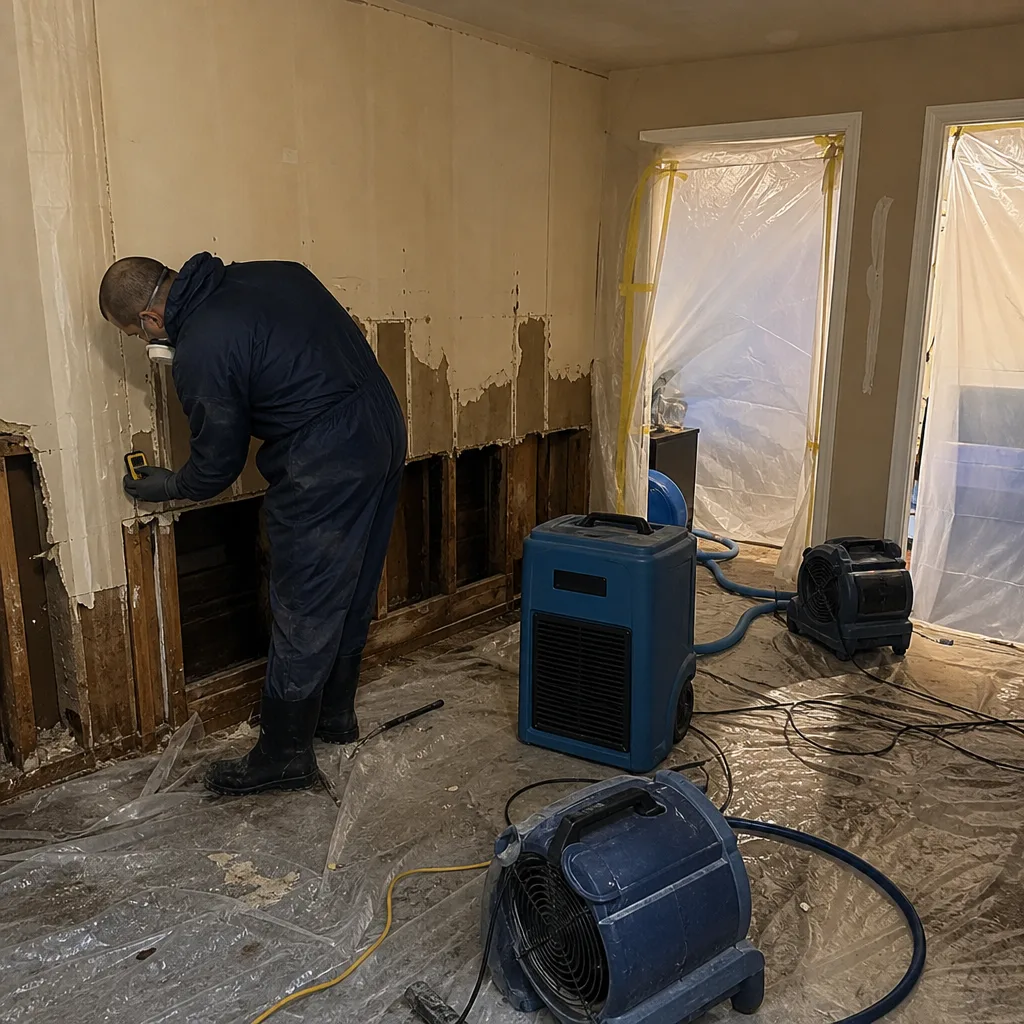 Before
 After
After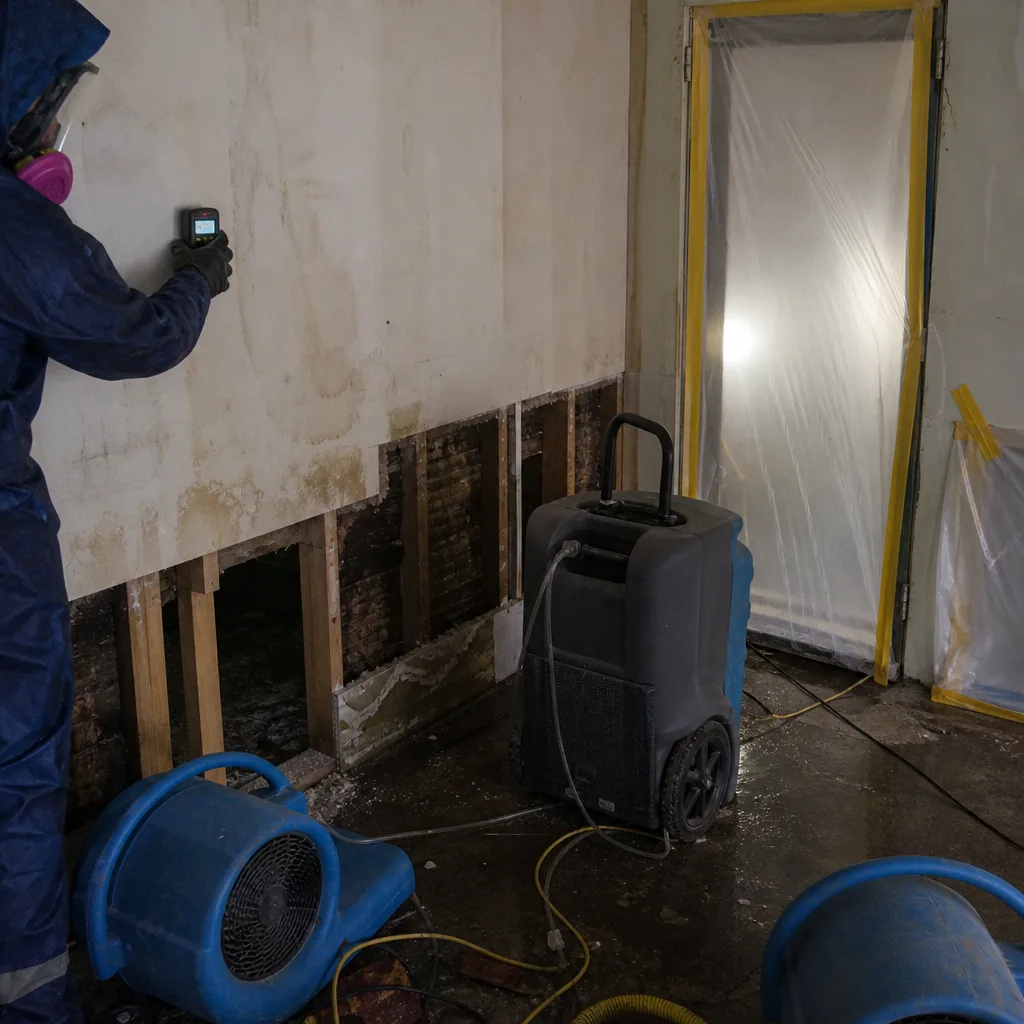 Before
 After
After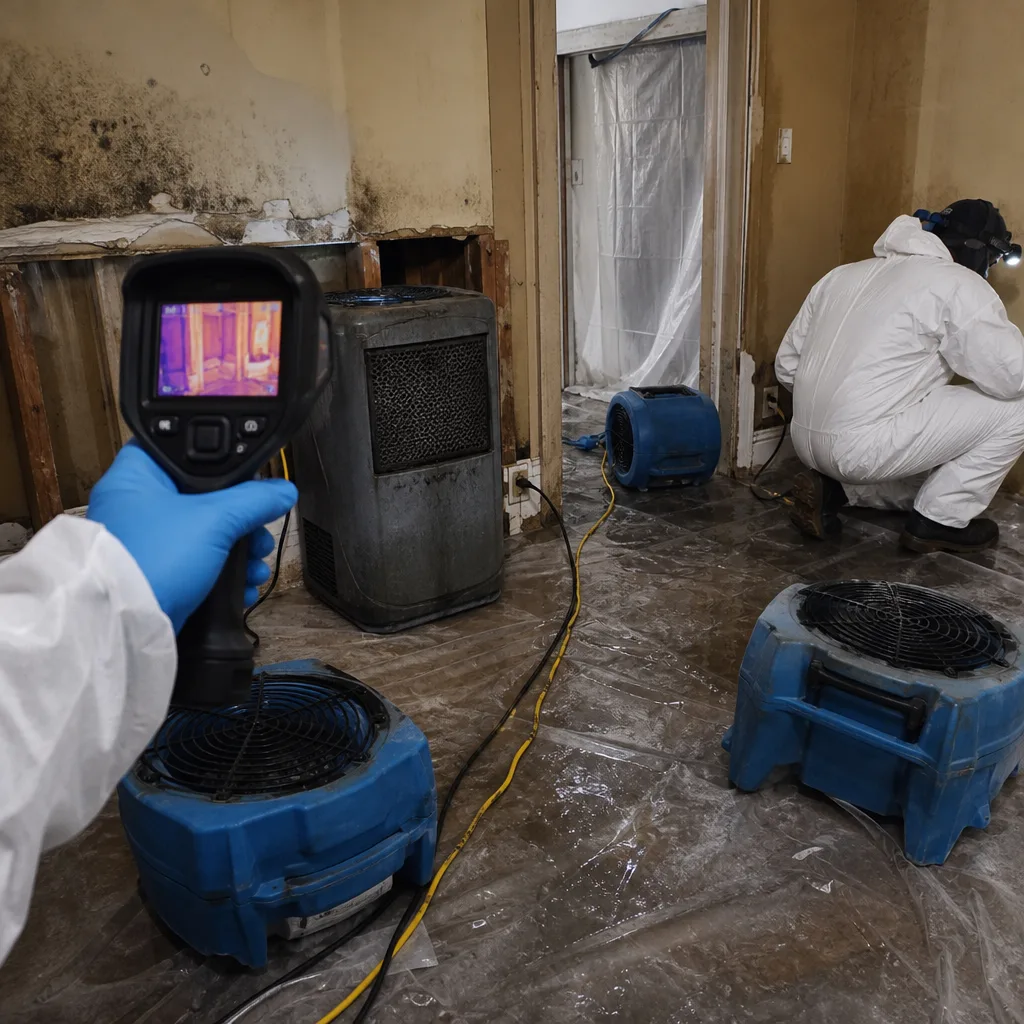 Before
 After
After