
Last updated October 16, 2026
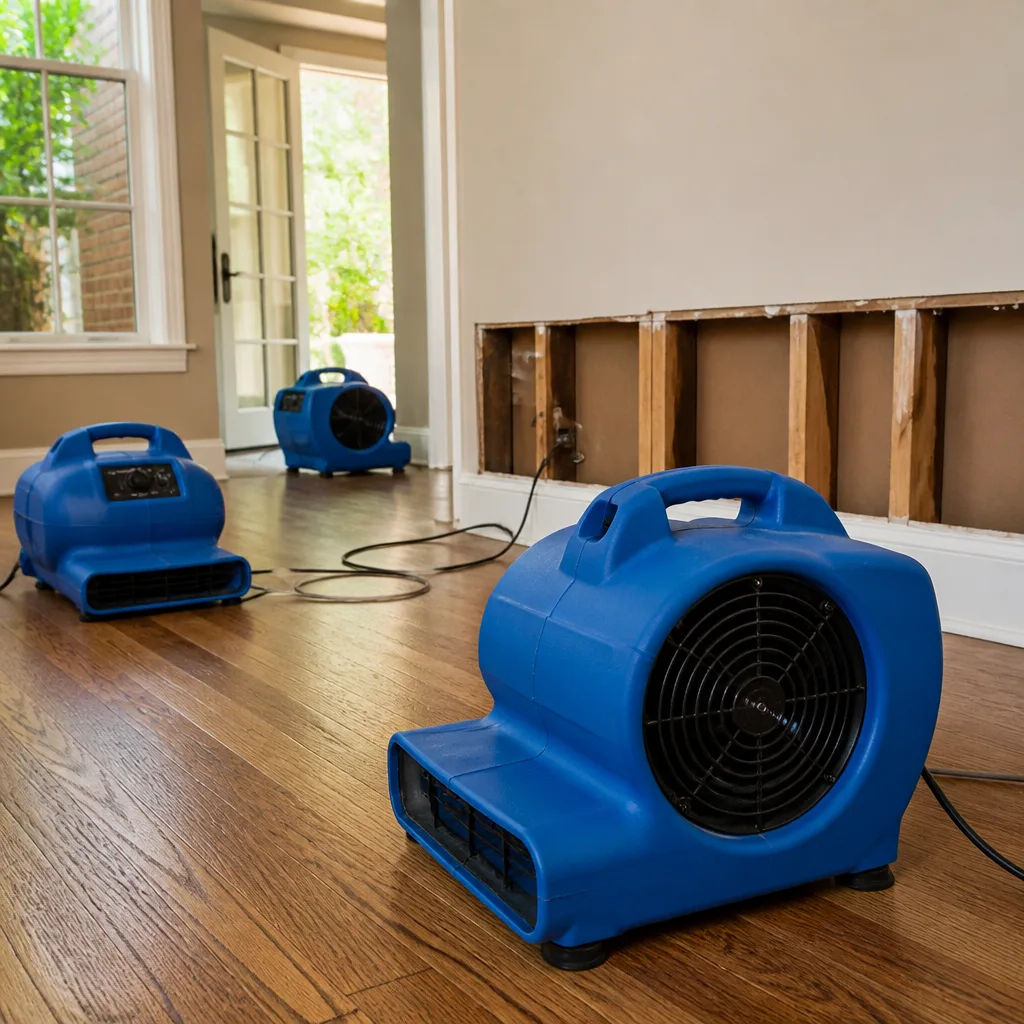 Water damage drying
 Fire & smoke cleanup
 Mold remediation
 Storm response
 Sewage cleanup
 Reconstruction
Free visual inspection and a written scope of work before any mitigation begins - photos, moisture readings, and drying logs go in your claim file
The scope we write is the scope we bill. Anything new gets shown to you, in writing, before we touch it.
Get your free estimateDamage Restoration Cost Breakdown: The Tampa Homeowner’s Reference for 2026
The national average for water damage restoration gets quoted at $3,000 to $7,000 on most websites, but that figure collapses the moment you apply it to a real Tampa home. A category-3 water intrusion affecting two rooms with drywall and subfloor removal typically runs $9,000 to $14,000 here once Florida’s licensed-contractor labor rates, permit fees, and the humidity-driven drying requirements are factored in. Homeowners who budget to the national number get blindsided, and they often end up accepting a lowball cash bid that skips the documentation their insurer will demand later. This guide breaks down what restoration actually costs in Tampa in 2026, line item by line item.
Quick Answer
Water damage restoration in Tampa runs roughly $4,500 to $11,000 for clean-water mitigation of one to two rooms, $9,000 to $14,000 for category-3 sewage or floodwater cleanup with drywall and subfloor replacement, and $35,000 to $90,000 for full reconstruction after a major flood event. Fire damage restoration typically ranges from $15,000 to $60,000 depending on smoke penetration and structural charring. Mold remediation averages $2,500 to $8,500 for contained surface contamination and $10,000 to $25,000 when hidden colonies require demolition and rebuild. Every number above assumes licensed contractors, permits where required, and insurance-grade documentation.
Restoration work we handle
Table of Contents
- Water Damage Restoration Costs in Tampa by Category and Scope
- Fire Damage Restoration Costs: What Smoke Actually Does to the Price
- Mold Remediation Costs and Why Cheap Quotes Cut Corners
- The Line Items That Should Appear on Every Legitimate Tampa Estimate
- How Insurance Adjuster Estimates Compare to Contractor Estimates
- Written Guarantee Versus Cash Job: The Real Cost Difference
- What Actually Moves the Price in Tampa
- Common Mistakes to Avoid
- When to Call a Professional
- Frequently Asked Questions
Water Damage Restoration Costs in Tampa by Category and Scope
Water restoration splits into two phases that many national cost guides blur together: mitigation and reconstruction. Mitigation is the emergency work, stopping the source, extracting standing water, and drying the structure. Reconstruction is putting the house back together. In Tampa, mitigation of a clean-water supply-line break in a single room typically costs $2,800 to $5,500. That covers extraction, equipment placement, moisture monitoring, and drying to standard. Reconstruction of that same room, drywall, baseboard, paint, and flooring, adds another $2,500 to $6,000. So the realistic all-in range for even a minor event is $5,300 to $11,500, not the $3,000 figure that national sites imply covers everything.
Category-3 water, which includes sewage backups, toilet overflows with waste, and floodwater, changes the math completely. Contaminated water means porous materials get removed, not dried. A two-room category-3 event with affected drywall and subfloor in a Tampa home typically runs $9,000 to $14,000. We have seen homeowners in Seminole Heights and Westchase get quoted $4,500 for “drying only” on category-3 water by unlicensed operators, only to have mold appear six weeks later because the materials should have been cut out. The right scope is cut, remove, sanitize, dry, and rebuild, and that costs what it costs.
Here is what a typical water mitigation scope looks like in Tampa, broken into the line items that matter:
- Emergency water extraction: $400 to $900 per room for standing water removal using truck-mounted or portable extraction units.
- Containment and air scrubbing: $300 to $700 for plastic barriers and HEPA filtration to prevent cross-contamination during demolition.
- Equipment placement and monitoring: $150 to $300 per day per affected room, covering air movers, dehumidifiers, and daily moisture readings. Tampa’s humidity means dry times run longer than inland Florida, often 4 to 6 days instead of 3 to 4.
- Drywall and insulation removal: $3 to $6 per square foot of removed material, including bagging and disposal.
- Antimicrobial application: $200 to $600 depending on surface area, applied after removal and before rebuild.
- Reconstruction: $45 to $85 per square foot for drywall replacement, trim, paint, and flooring depending on finishes.
For a deeper look at how mitigation works and what to expect from a Tampa crew, see Water Damage Restoration in Tampa.
Fire Damage Restoration Costs: What Smoke Actually Does to the Price
Fire restoration in Tampa runs $15,000 to $60,000 for most single-family homes, and the variable that drives the spread is smoke penetration, not the size of the flames. A kitchen grease fire contained to the range and vent hood might only need $8,000 to $12,000 of work, mostly odor sealing and repainting. But a fire anywhere in the house pressurizes smoke through the HVAC system and into every porous surface: drywall, carpet, cabinetry, clothing, and attic insulation. That is when costs climb. We have seen a one-room electrical fire in a Carrollwood home require $42,000 in restoration because smoke had wicked into the ductwork and the entire house needed thermal fogging, ozone treatment, and repainting with odor-blocking primer.
The typical fire restoration scope breaks down like this:
- Board-up and tarping: $500 to $1,500 for securing openings immediately after the fire department releases the property.
- Debris removal and demolition: $2,000 to $6,000 for charred material removal, including drywall, insulation, and framing damage.
- Soot and smoke cleaning: $3 to $8 per square foot of affected surface using dry-chem sponges, degreasers, and HEPA vacuuming.
- Odor mitigation: $1,500 to $4,500 for thermal fogging, ozone treatment, or hydroxyl generation depending on severity.
- Duct cleaning: $500 to $1,800 for HVAC system cleaning when smoke entered the air handler.
- Repainting: $3,500 to $9,000 for whole-home interior repainting with odor-sealing primer on affected walls.
- Structural repair: $25 to $75 per square foot for framing, sheathing, and insulation replacement where charring compromised the structure.
The insurance conversation matters here more than anywhere. Florida adjusters using Xactimate will price line items based on their own assumed scope, and the gap between their estimate and a contractor’s thorough scope can be $10,000 or more on a fire job. Documentation, photo evidence of every charred stud and smoke-stained surface, and a written scope from the contractor is what closes the gap. For the full process, see Fire Damage Restoration in Tampa.
Mold Remediation Costs and Why Cheap Quotes Cut Corners
Mold remediation in Tampa averages $2,500 to $8,500 for contained contamination in a single room or crawlspace, and $10,000 to $25,000 when hidden colonies require demolition and rebuild. The low end assumes surface mold on non-porous materials that can be cleaned with HEPA vacuuming and antimicrobial application. The high end assumes mold behind walls, under flooring, or in ductwork, which means cutting out the affected material, containing the area, drying it to standard, and rebuilding.
The cheap quote problem is worse on mold than any other restoration category. A $1,200 “spray and paint” mold job will treat visible surface mold and call it done. The colony behind the drywall keeps growing. Six months later the homeowner has a bigger problem, a health concern from ongoing spore exposure, and no documentation to show an insurer. A legitimate mold remediation in Tampa includes containment during removal, negative air pressure to prevent cross-contamination, HEPA air scrubbing, physical removal of contaminated material, antimicrobial treatment of remaining surfaces, drying, and post-remediation verification. That process costs $8 to $15 per square foot for contained areas and $35 to $65 per square foot when full rebuild is required.
Mold Remediation in Tampa covers the full process and what the post-remediation documentation should include.
The Line Items That Should Appear on Every Legitimate Tampa Estimate
Every legitimate restoration estimate in Tampa should be itemized enough that you can see exactly what you are paying for and why. The estimates we write list each line item with a unit price, quantity, and total. A one-page estimate that says “water mitigation: $8,000” is not a scope of work, it is a number with no accountability. Here is what a proper Tampa restoration estimate should include, whether it comes from Keegan Restoration Tampa or any other licensed contractor.
- Moisture mapping and initial assessment: This is the baseline survey using moisture meters and thermal imaging to document exactly what is wet and what is dry. It should be $200 to $500 depending on affected square footage.
- Equipment placement and monitoring schedule: This lists the number of air movers, dehumidifiers, and air scrubbers placed, the brand used (Phoenix, XPOWER, B-Air, or Injectidry are common professional-grade units), and the daily monitoring protocol. It should include daily drying-log documentation.
- Labor scope with phase breakdown: Demolition, extraction, drying, cleaning, and reconstruction should be separated. If a contractor cannot tell you what each phase costs, they have not actually scoped the job.
- Licensed subcontractor breakouts: Any electrical, plumbing, or structural work must be listed separately with the subcontractor’s license number. Florida law requires licensed contractors for this work, and the estimate should show it.
- Permit fees: Tampa and Hillsborough County require permits for structural alterations and certain reconstruction work. Permit fees should be itemized, not buried in a lump sum.
- Dry-out standards and target moisture levels: The estimate should state the drying standard used, typically IICRC S500 for water damage, and the target moisture content for affected materials.
- Guarantee terms in writing: Whether it is our 365-Day Done Right Promise or another contractor’s warranty, the specific coverage period and conditions should be written into the estimate, not promised verbally.
How Insurance Adjuster Estimates Compare to Contractor Estimates
Insurance adjusters in Tampa use Xactimate, a software platform that prices restoration work based on regional labor and material rates. Contractor estimates use actual trade pricing, actual subcontractor bids, and the specific conditions found on site. The gap between the two is where most homeowners get stuck, and understanding how to close it is the single most useful thing in this guide.
Xactimate pricing for Tampa is updated monthly, but it still relies on average productivity rates and generic line-item assumptions. A Xactimate estimate might price drywall replacement at $0.68 per square foot for labor when the actual Tampa contractor rate is $0.95 to $1.10. Multiply that across 30 sheets of drywall, plus insulation, plus trim, plus paint, and the gap grows. On a $30,000 water reconstruction, the adjuster’s estimate might come in at $19,000. The homeowner is not responsible for absorbing that difference. The contractor’s job is to submit supplementary documentation, photo evidence, moisture logs, and a detailed scope of loss that justifies the actual pricing. We do this on every claim we handle, formatted to the insurance company’s own documentation standards.
The homeowners who get burned are the ones who sign a contract with a contractor who says “we’ll take whatever the insurance pays.” That means the contractor works down to the insurance number, not up to the real scope. Materials get downgraded. Drying gets shortened. The homeowner gets a house that looks fine and functions poorly, with hidden moisture that becomes mold. A better approach: get a contractor’s independent scope and price in writing first, then use that written scope to negotiate with the adjuster. The documentation is the leverage.
Written Guarantee Versus Cash Job: The Real Cost Difference
A cash job with no documentation in Tampa typically runs 30% to 40% cheaper than an insured, guaranteed restoration. That sounds like savings until you understand what you actually bought. The cash contractor has no obligation to return when the repair fails. The drying logs do not exist, which means your next insurance claim for mold gets questioned because the insurer has no record that the original water event was properly dried. The repair has no transferable paperwork, which matters when you sell the house and the buyer’s inspector finds evidence of prior water damage.
Here is what a documented, guaranteed restoration actually costs versus a cash job on a typical Tampa one-room water damage event:
| Line Item | Cash Job | Documented Job |
|---|---|---|
| Extraction and drying | $2,200 | $3,800 |
| Drywall replacement, trim, paint | $2,800 | $4,200 |
| Flooring replacement | $1,900 | $3,100 |
| Documentation and guarantee | $0 | Included |
| Total | $6,900 | $11,100 |
The cash job saves $4,200 up front. If it fails, you pay again. If it caused secondary mold, you pay more. If you file an insurance claim later, the lack of documentation becomes your problem. The Garrison Standard treats every job, insured or cash, the same way: written price before work starts, drying logs kept daily, every step photo-documented. The 365-Day Done Right Promise is a written guarantee, the kind you can enforce, not a verbal assurance you have to hope holds up.
What Actually Moves the Price in Tampa
Four structural factors move restoration pricing in Tampa more than any national cost guide acknowledges: home age, construction type, flood zone designation, and hidden mold discovered during mitigation. Understanding these before water touches your floor will save you from sticker shock and bad decisions.
Age of the home. Tampa has a massive inventory of pre-1980 construction, and those homes were not built with the same moisture management standards as new builds. Plaster walls absorb water differently than drywall. Asbestos-containing materials appear in homes built before 1985, and abatement adds $2,000 to $8,000 to any demolition scope. Older homes in Seminole Heights, Hyde Park, and Tampa Heights also have settled framing that makes drying uneven, requiring longer equipment placement and more monitoring visits.
Construction type. CBS (concrete block stucco) construction dominates Tampa, and it resists water migration better than frame construction in most cases. But CBS homes have concrete floors that trap moisture beneath finished flooring, requiring longer dry times or subfloor removal. Frame homes dry faster behind walls but suffer more structural damage from prolonged exposure. The difference can be a $2,000 to $5,000 swing on an equivalent water event.
Flood zone designation. Homes in AE or VE flood zones, common in South Tampa, Davis Islands, and along the Hillsborough River, face higher restoration costs for two reasons. First, flood water is always category-3, so porous materials get removed, not dried. Second, flood insurance claims follow different documentation standards and often require elevation certificates alongside the restoration scope. The 2026 Florida insurance market has made this documentation more demanding, not less.
Mold discovered during mitigation. This is the most common scope-creep item in Tampa water restoration. When wet drywall is removed and mold is found behind it, the job shifts from water mitigation to mold remediation, adding $1,500 to $6,000 depending on extent. The discovery requires a change order, written documentation, and sometimes a separate remediation protocol. A contractor who handles this poorly, prorating it verbally or skipping containment during removal, creates a liability you will live with for years. Every change order at Keegan Restoration Tampa is documented in writing before the additional work starts.
Common Mistakes to Avoid
- Budgeting to the national average. The $3,000 to $7,000 figure quoted online does not include Tampa’s labor rates, permit fees, or humidity-driven dry times. Budget $5,000 to $14,000 for any water event affecting multiple rooms.
- Accepting a drying-only scope on category-3 water. Sewage and flood water contaminates porous materials. If a contractor proposes drying saturated drywall and carpet after sewage contact, walk away. The material must be removed.
- Signing “we’ll take what insurance pays” contracts. You are agreeing to let the contractor work down to the adjuster’s number, not up to the actual scope. Get your own written estimate first.
- Skipping the moisture mapping step. A contractor who starts cutting without moisture mapping is guessing. The map is the documentation your insurer needs to approve the scope.
- Paying the full contract amount up front. Legitimate restoration contractors in Tampa bill on a schedule tied to milestones. Full-payment demand before work starts is a red flag.
- Hiring an unlicensed contractor for structural work. Florida requires licensed contractors for plumbing, electrical, and structural alterations. Unlicensed operators undercut prices but leave you with no legal recourse when the work fails.
- Ignoring the drying logs. Daily moisture readings are the proof that drying was done to standard. Without them, your next insurance claim gets harder to process and your guarantee is harder to enforce.
When to Call a Professional
Call a professional restoration contractor the moment you see water that has traveled beyond a single fixture, any water that smells like sewage, any fire damage that affected more than a small surface area, or any mold larger than about 10 square feet. Water behind walls, under flooring, or in the HVAC system will not dry on its own in Tampa’s humidity. Fire smoke requires specialized equipment and odor-sealing processes that household cleaning cannot replicate. Mold hidden behind drywall will keep growing. In every case, you need documentation, a written scope, and a guarantee in writing. Keegan Restoration Tampa offers free estimates across Tampa; call (850) 367-1316 and a live person will answer, day or night.
Frequently Asked Questions
Water damage restoration in Tampa costs $4,500 to $11,000 for clean-water mitigation of one to two rooms, $9,000 to $14,000 for category-3 water with drywall and subfloor removal, and $35,000 to $90,000 for full reconstruction after major flooding. The wide range reflects differences in home construction, flood zone, and whether mold was discovered during mitigation. Call (850) 367-1316 for a written quote specific to your home.
Insurance covers what the policy allows and what the adjuster’s Xactimate estimate supports, which is often less than the contractor’s real scope. The gap gets closed with supplementary documentation, photo evidence, and a detailed scope of loss submitted by the contractor, a process we handle on every claim. Your out-of-pocket is the deductible plus any scope items the insurer refuses to cover.
A legitimate Tampa restoration company should be able to have a crew on site within hours of your call, not days. Water continues to spread through drywall and subfloor every hour it sits. Keegan Restoration Tampa answers the phone with a live person 24/7 and dispatches immediately for water emergencies.
If mold covers more than about 10 square feet, is hidden behind drywall or under flooring, or appears after a water event, you need full remediation with containment and removal, not surface cleaning. Surface-only treatment leaves the hidden colony intact and growing. A legitimate contractor will document the extent with moisture mapping and recommend the appropriate scope in writing.
Category-3 water is grossly contaminated, containing sewage, pathogens, or floodwater. Restoration standards require removing contaminated porous materials like drywall, carpet, pad, and insulation rather than drying them. That removal plus rebuild doubles or triples the cost compared to clean-water drying.
Your restoration contractor should deal with the adjuster on your behalf, providing the scope of loss, daily drying logs, photo documentation, and supplementary pricing that supports the claim. You should never have to translate trade pricing for an adjuster yourself. A contractor who refuses to talk to your insurer is a red flag.
A legitimate Tampa restoration estimate lists moisture mapping, equipment placement with monitoring schedule, phase-by-phase labor, licensed subcontractor breakouts, permit fees, drying standards, and guarantee terms in writing. A one-page number with no line items is not a scope of work. Get the detailed estimate in writing before agreeing to anything.
The Bottom Line
Tampa restoration costs run meaningfully higher than national averages because Florida mandates licensed contractors, enforces permit requirements, and has a climate that complicates drying and encourages mold growth. The price you pay is determined by the scope, the documentation, and the guarantee attached to the work. A cheap cash job saves money up front and risks costing more in the long run, at the next claim, or at resale. A documented job with a written guarantee, accurate drying logs, and insurance-grade paperwork is what protects the house and the homeowner. The number on the estimate matters less than what the estimate contains, and whether the company behind it stands behind the work in writing.
Written by Shane Pruitt, Owner at Keegan Restoration Tampa, serving Tampa since 2005.
See the difference
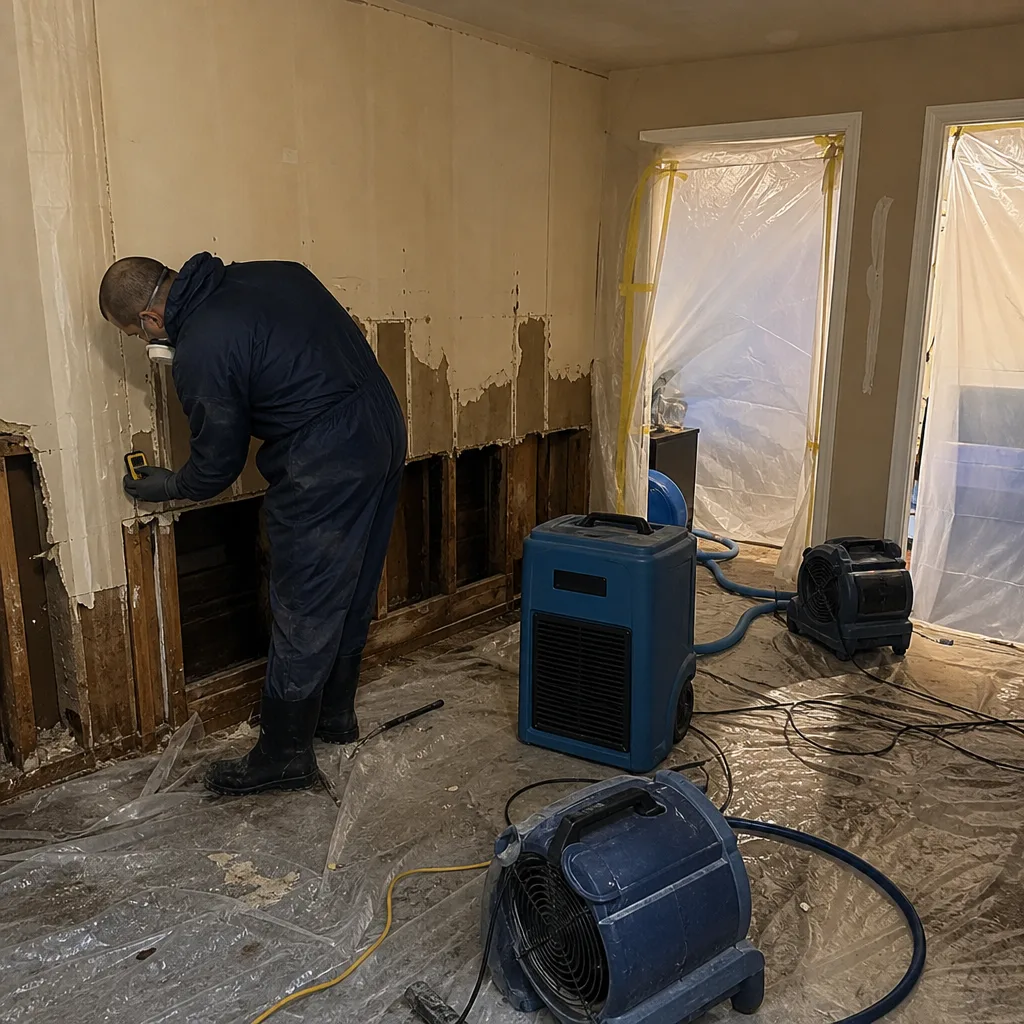 Before
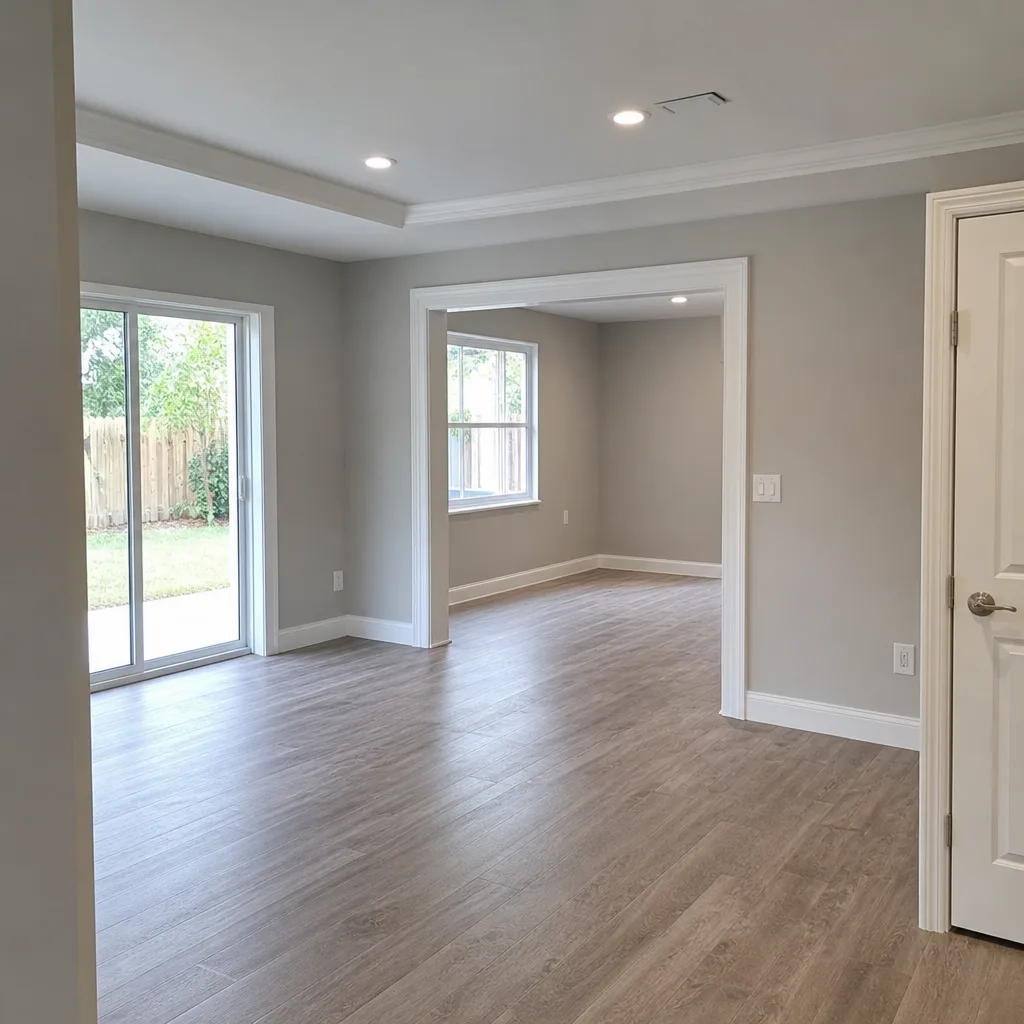 After
After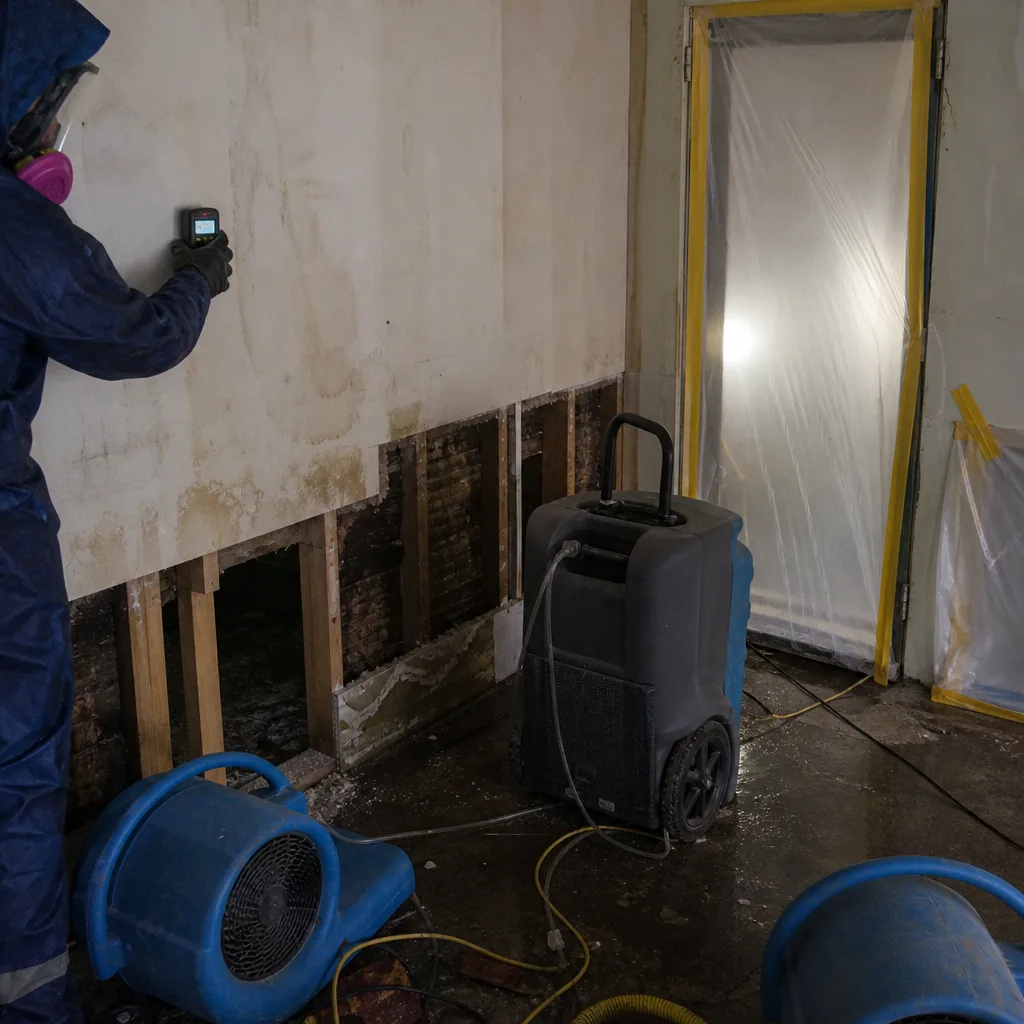 Before
 After
After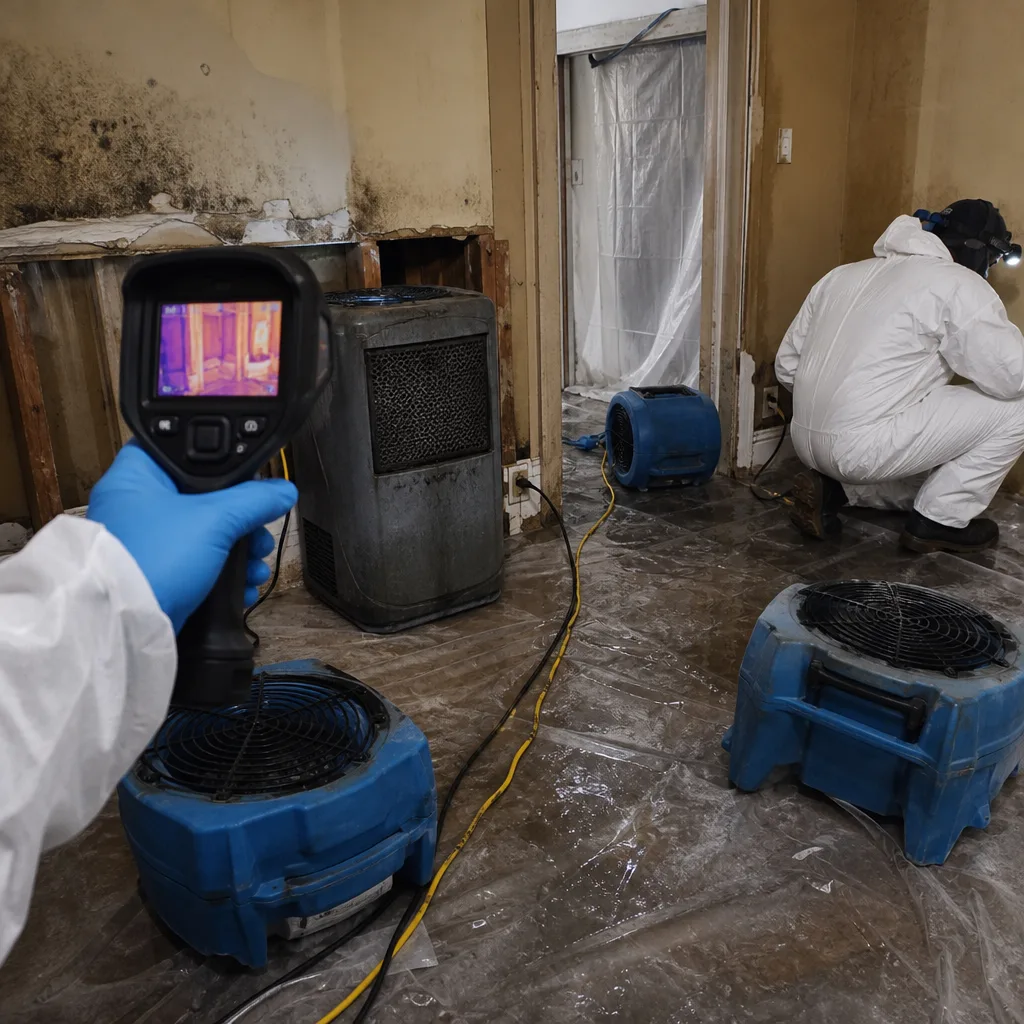 Before
 After
After